






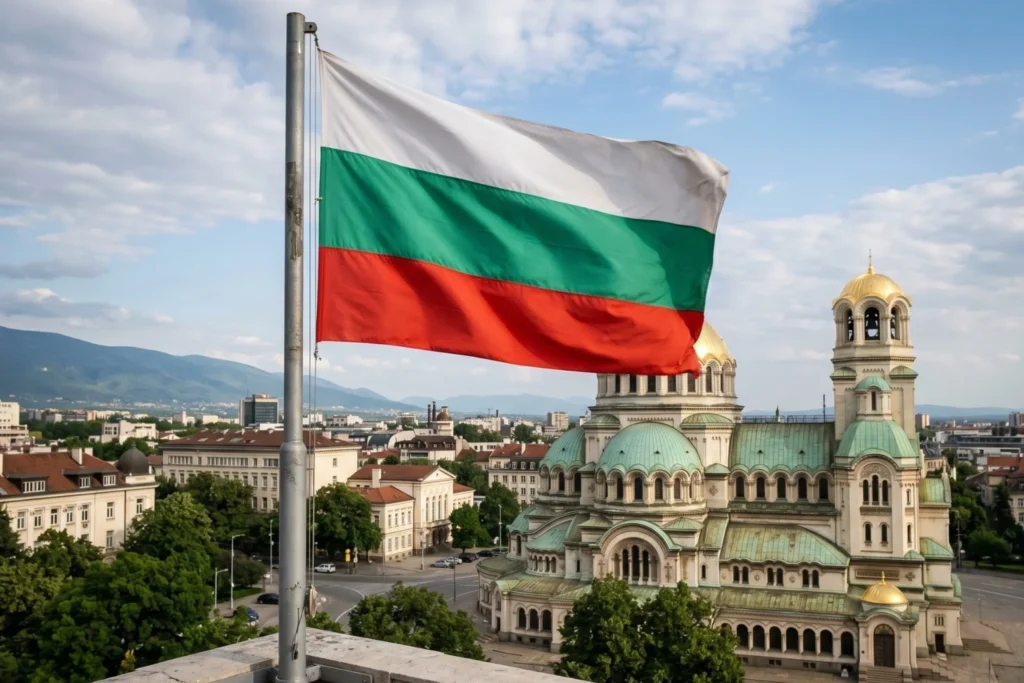
Assen Vassilev, Chairman of Bulgaria’s opposition party We Continue the Change, has called for amendments to proposed Gambling Act reforms, warning that loopholes could weaken a near-total ban on gambling advertising.
Prime Minister Rumen Radev’s cabinet published the draft on 23 September. The consultation remains open until 23 October and includes a complete ban on affiliates and the promotion of gambling trademarks through all communication channels.
Vassilev wants the definition of gambling trademarks expanded to cover brands associated with, or strongly resembling, licensed operators. He cited a hypothetical brand as an example of how companies could continue marketing through infotainment identities.
Infotainment Brands Create A New Test For Bulgaria’s Advertising Ban
Similar arrangements have appeared in European markets with strict advertising controls. In Belgium, Entain supports grassroots sports through its Entain Foundation identity, while Club Brugge previously partnered with U-Experts, a sports news application linked to Kindred’s Unibet.
Italy’s 2018 Dignity Decree banned gambling advertising and sports sponsorship, but football clubs later signed agreements with gambling-linked news and sports sites. Parma partnered with Admiralbet.news, while Inter Milan worked with LeoVegas.news and, more recently, Betsson.sport.
Vassilev’s party is expected to seek wider wording before consultation closes or when the bill reaches the National Assembly. He also proposed tighter controls on advertising at operator-sponsored outdoor sports facilities and payment blocking for unlicensed gambling sites.
“Banks are very effective in doing so, if the relevant legislation exists. Currently, we don’t see anything in that direction,” Vassilev said.
Changes could be proposed before 23 October or in parliament. Their purpose would be to prevent restricted operators from shifting promotion into media brands while illegal websites continue accepting issued payment cards.
Bulgaria’s proposed ban will be only as strong as its brand definition. Covering lookalike infotainment identities and directly restricting payments to unlicensed operators would close two established routes for maintaining visibility and customer access after advertising controls take effect.
 Share
Share


 2 views