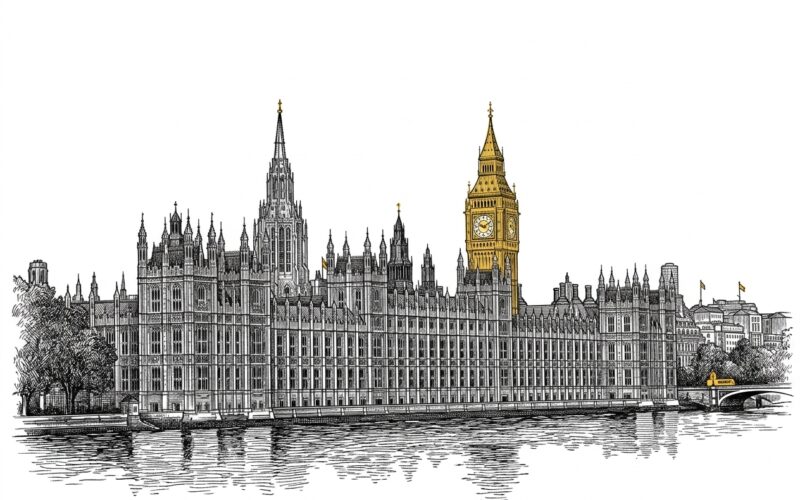
The Gambling Policy Commission (GPC) has launched an independent review of UK gambling legislation, following the opening of its Call for Evidence on 4 November 2026.
Announced on 9 November, the review will bring together research, expert opinions and stakeholder contributions to assess whether existing gambling laws remain suitable for the modern market.
The initiative follows longstanding discussions about consumer protection and the effectiveness of legislation introduced before the expansion of online gambling.
Independent review focuses on Gambling Act 2005
The GPC was established to examine whether Britain’s gambling laws remain fit for purpose, with the Gambling Policy Committee leading the review. Its primary focus is the Gambling Act 2005, which provides the main legislative framework for gambling regulation in Great Britain.
Since its introduction, the industry has experienced substantial changes in digital betting, online casinos and gambling technology. The Commission intends to examine whether the current framework adequately addresses these developments and whether further legislative reforms are necessary.
Conversely, the GPC is independent of the UK Government and separate from the Gambling Commission. Its review does not constitute a government-led legislative process or indicate that changes to existing laws have been approved.
Commission opens call for evidence until February 2027
The GPC is inviting submissions from researchers, industry stakeholders and individuals with direct experience of gambling.
Contributions may address consumer protection, regulatory requirements, gambling-related harm and changes in gambling behaviour.The Call for Evidence will remain open until 12 February 2027, with further research scheduled throughout the year.
Final reports from the Gambling Policy Committee should be published in 2028.
Review will examine taxation, illegal gambling and consumer protection
Beyond the Gambling Act 2005, the Commission will consider the impact of recent reforms and wider issues affecting the gambling industry. These include illegal gambling, gambling-related harm, taxation and the relationship between gambling and sport.
The review will also assess how existing requirements affect gambling operators and whether current consumer safeguards provide adequate protection. Its findings could inform future discussions about licensing, regulatory responsibilities and gambling legislation.
However, any recommendations would require consideration by the UK Government and Parliament before resulting in legislative changes. The Commission has not proposed replacing the Gambling Act 2005 at this stage, with its immediate focus on collecting evidence and evaluating the existing regulations.
 Share


 9 views