






Key Points
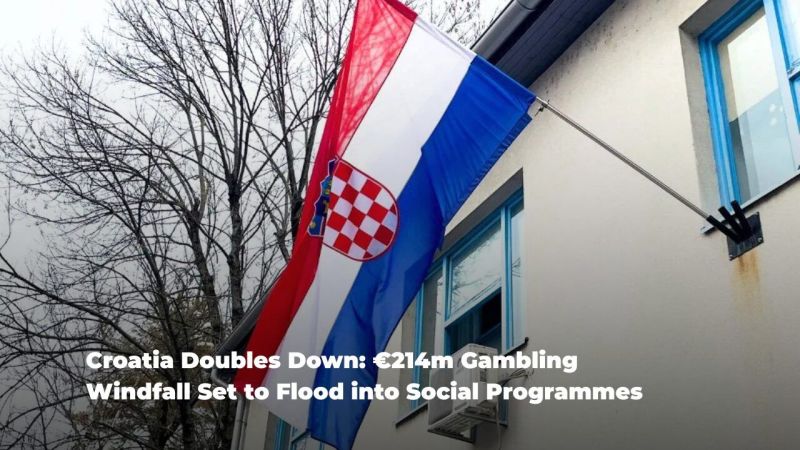
- Croatia’s gambling social fund has jumped from €130m to €214m for 2026, the largest distribution since the country began earmarking sector proceeds for public programmes.
- Chief State Treasurer Danijela Stepić confirmed the allocation, with €144m drawn from live 2026 gambling revenues and €70m rolled over from unspent 2025 funds.
- The move is the financial centrepiece of Prime Minister Andrej Plenković’s two-year overhaul of Croatia’s Games of Chance Act, framed explicitly as a public interest mandate rather than a benefit to the gambling industry.
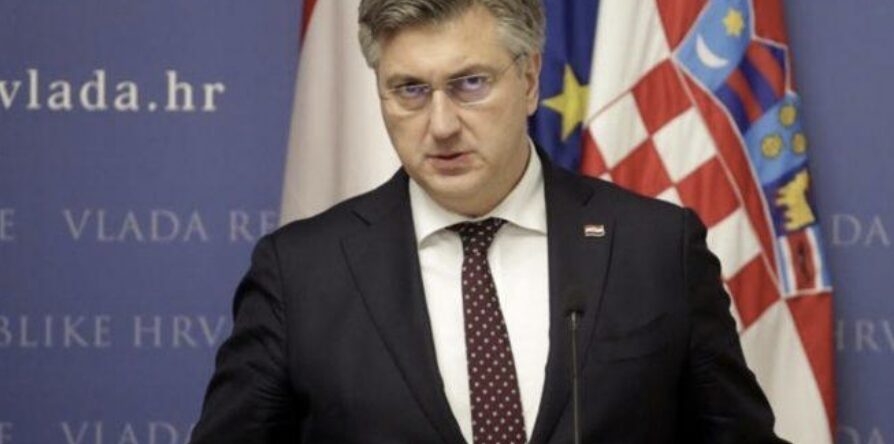
Croatia’s gambling sector will fund more than €214m in social programmes this year, a sum that nearly doubles what the country distributed under its previous cycle. Chief State Treasurer Danijela Stepić made the confirmation, stating that her office has been allocated the full amount for distribution to public interest causes. The previous cycle had made roughly €130m available, a figure that now looks modest by comparison. Stepić set out the framework at a Ministry of Finance conference, detailing how funds will flow under the annual “Regulation on the Criteria for the Distribution of Revenues from Games of Chance.”
Plenković Turns Gambling Revenue Into a Political Statement
The enlarged fund sits inside something much bigger. Upon winning a third straight term in 2024, the Prime Minister of Croatia, Andrej Plenković, wasted no time in updating his country’s Games of Chance Act, passing amendments which were said by his own party to be needed to deal with an urgent public health crisis. According to iGB, in March 2025, this revision was heralded as the first substantial reform of Croatian gambling regulations in more than a decade. It is hard to dispute Croatia’s numbers in terms of gambling harms. Some 40,000 individuals are struggling with their addictions to gambling, and Croatian teens are among the riskiest in the entire Balkans.
The reforms that followed were sweeping. Self-service betting terminals were stripped out of cafés, bars, kiosks, and restaurants. Betting shops lost the right to serve alcohol. The Croatian Institute of Public Health (HZJZ) went on to launch the Registrar Igrača, the national self-exclusion register that became fully operational in November 2025, replacing the previous fragmented model where players could only self-exclude with individual operators.
Licence Fees Up 50%, Winnings Now Taxed on a Sliding Scale
The fiscal squeeze on operators was equally direct. HDZ raised licence fees for both online and land-based gambling operators by 50%, with online casino permits rising to around €398,000 annually and land-based casino fees reaching €600,000. Taxation on player winnings was redesigned under a tiered structure: prizes now attract rates ranging from 10% to 30%, with the upper band reserved for customer winnings between €1,500 and €70,000. Plenković has consistently described this as a “civic approach” to gambling regulation, placing the burden on the industry rather than the public, and directing the proceeds back into society.
Where the €214m Actually Comes From?
The total is not all new money. According to the Ministry of Finance, around €144m will come from gambling revenues generated during 2026, while a further €70m is carried over from funds that went unspent in 2025. That distinction matters: a significant portion of the enlarged allocation is a product of accumulated surplus, not just increased tax receipts. State Treasurer Stepić confirmed that reforms to the Games of Chance Act have established “the criteria and percentages by which part of the revenues from games of chance are distributed to priority programme areas.” The allocation model itself has been built, she added, on “analyses of priority sectoral problems,” factoring in funding requirements across both public institutions and civil society organisations.
The Croatian Treasury requires a formal charter to govern these disbursements under the updated Act. Stepić outlined the underlying intent: “Supporting the development of civil society and finance programme activities that contribute to improving the quality of life in all areas of social life.”
Sport, Addiction Services, Youth Programmes: Who Gets the Money
The list of beneficiaries is broad. Gambling revenues will continue to channel into sport, addiction prevention and treatment, social and humanitarian services, organisations supporting people with disabilities, culture, technical education, non-institutional education for children and young people, and wider civil society development. The allocation framework reached that shape through months of consultation with ministries, public agencies, and non-governmental organisations. It has now entered a formal public consultation phase, with the Ministry of Finance confirming the decree is open for review.
HDZ has committed to ensuring the enlarged fund reaches civic programmes directly, specifically those targeting Croatia’s most persistent social challenges.
Expert Analysis
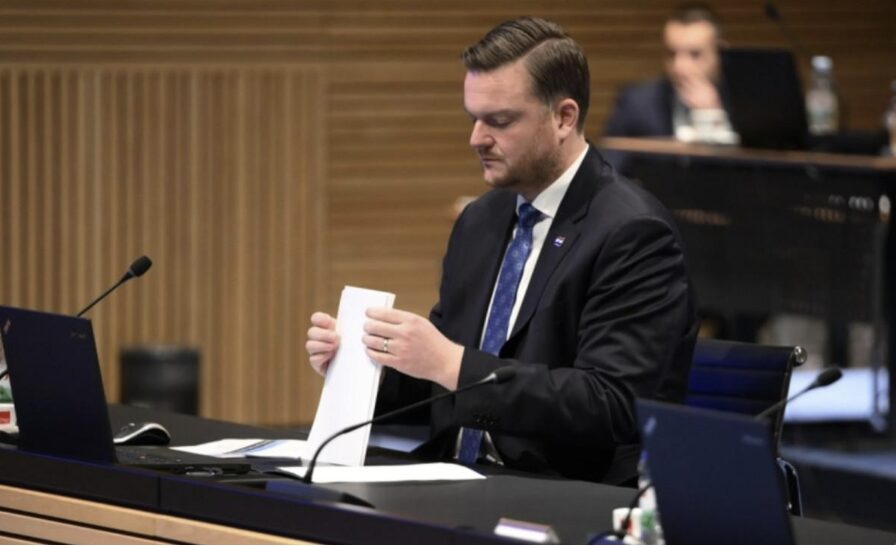
The almost doubling by Croatia of the social funds generated by the gambling industry cannot be seen just as a matter of paper, but it is a political message directed at an industry which has been trying to block its way for most of 2025. According to European Gaming’s report in October 2025, EUROMAT officially complained to the European Commission stating that Croatia ignored the TRIS notification process under Directive (EU) 2015/1535. Finance Minister Marko Primorac pushed back, telling Yogonet that the reforms would “lead to a reduction in addiction and its negative consequences, both for the individual and for society as a whole.” None of it slowed the timeline.
What Plenković has done is structurally link tighter gambling controls to measurable public spending, so any attempt to roll back the regulations would also mean dismantling the funding pipeline for addiction services, youth education, and disability support. That is harder to argue against politically, and it is almost certainly deliberate. The €214m figure is not just a number. It is leverage.
 Share
Share


 235 views