






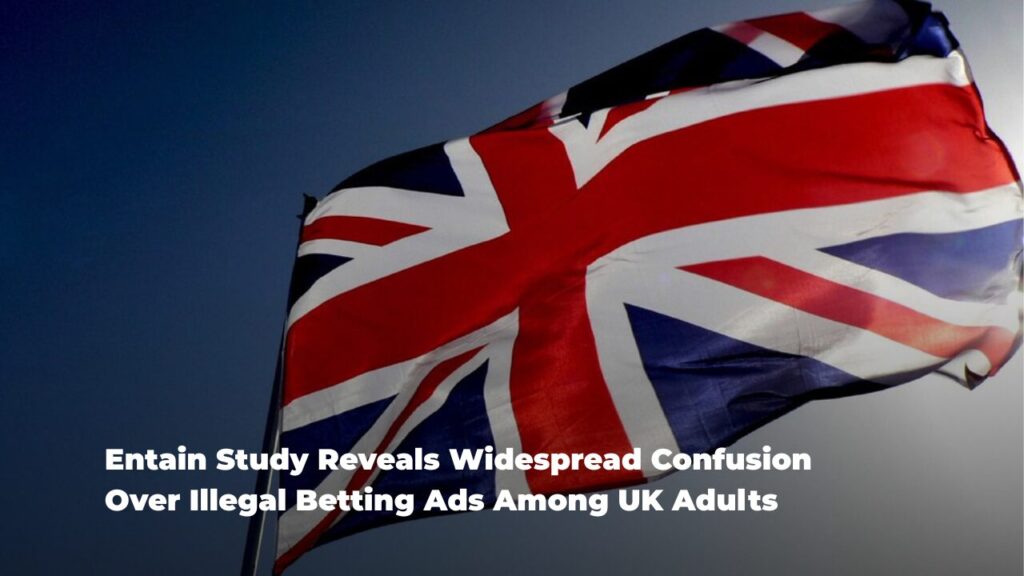
A new study commissioned by Entain has found that most UK adults struggle to distinguish legal betting promotions from illegal ones on social media.
The survey, conducted by YouGov on behalf of the Ladbrokes and Coral owner, found that 74% of respondents could not easily identify unlicensed gambling adverts. Only 10% said they found it easy to recognise promotions from licensed operators.
The research surveyed 2,017 adults across Great Britain between 12 and 18 May, ahead of what will be a record-breaking FIFA World Cup betting period. Although eight in 10 respondents said they would not deliberately use an illegal betting site, there is low confidence in existing safeguards.
Only 7% believed UK regulations are very effective at preventing illegal gambling, while one-third said the government is not doing enough to protect consumers from unlicensed operators.
Entain Launches World Cup Awareness Campaign
In response to the findings, Entain has launched a World Cup social media campaign featuring content creator Big John.
The campaign aims to educate consumers about the risks associated with unlicensed operators, including misleading bonus offers, limited customer protections and the absence of safer gambling tools such as self-exclusion.
Viewers are encouraged to check the UK Gambling Commission’s public register before placing bets and to look for responsible gambling features when choosing an operator. The campaign comes as concerns grow that illegal operators are becoming more difficult for consumers to identify within crowded social media feeds.
Young People Keep Seeing Large Volumes Of Gambling Content
Separate research from the Gambling Commission in 2025 also highlighted widespread confusion about operator legality. The regulator found that some consumers who claimed not to use unlicensed gambling websites later provided answers suggesting otherwise.
It noted that many users may reach illegal sites unintentionally through search engines, online advertising or personalised recommendations. The Commission described some of these users as accidental tourists who enter the illegal market without actively seeking it.
Official data also showed that gambling advertising is still highly visible among young audiences. Last year, 79% of 11 to 17-year-olds reported seeing or hearing gambling advertising.
Social media was the most common source, cited by 56% of respondents, followed by livestreaming and video-sharing platforms at 42%. Beyond standard ads, 31% claimed they had found gambling-related promotions through a creator, influencer, or streamer.
Regulators Tighten Rules As Advertising Landscape Evolves
In May, some OddsChecker posts were found appealing to under-18s and reported to the ASA, who upheld the complaint. Furthermore, Premier League clubs will stop the trend of placing gambling sponsors in front of shirts from the 2026/2027 season.
The UK has improved advertising standards instead of imposing a complete ban on gambling promotion. Recent guidance from the Advertising Standards Authority introduced stricter rules around social media content, sports personalities and youth appeal.
Entain argues that these measures do not fully address a growing challenge: helping consumers identify illegal promotions before clicking on them in complex digital environments.
Entain has released a study revealing that most UK adults cannot tell legal and illegal betting ads apart. Over 2,107 people were surveyed before the World Cup and 74% were found to be confused. The company launched an educational campaign in partnership with a content creator, Big John in response to its study’s findings.
Explore more:
 Share
Share


 257 views