Key Points
- The DCMS announced an increase of 25% on the Gambling Commission licence fees as from 1 October 2026, following a consultation process with three options between 27 January and 30 March 2026.
- Over 1,100 small operators who have a yearly gross gaming yield below £10m will actually pay reduced fees under the new tiers system.
- The BGC warned that the increase compounds existing financial pressures from tax rises and the statutory levy, and risks widening the commercial gap between licensed and illegal operators.

Britain’s gambling regulator is about to get more expensive to be licensed under, and the industry is not quiet about it.
The Department for Culture, Media and Sport published the outcome of its fee consultation this week, closing a process that ran from 27 January to 30 March 2026. Three options had been put to industry: a 30% rise, a flat 20% rise, and a 20% rise with a 10% portion ringfenced for illegal market activity.
None made it through intact. The government landed on 25% as a compromise figure, to be enacted through secondary legislation from 1 October 2026.
The Rise Does Not Hit Everyone the Same Way
The increase does not land uniformly. Most operating licences shift to a gross gambling yield (GGY) model, with new tiered bands replacing the old flat structure. Personal licences, supplementary operating licences, and single machine permits go up by a straight 25%. Society lotteries are spared entirely, with their fees frozen at current levels.
Racecourse bookmakers face a different kind of adjustment. The days-of-operation model that previously set their fees is being scrapped. From October, fees for general betting (limited) licences will track GGY, bringing them in line with how most other licence categories are now assessed.
More than 1,100 smaller operators, those with annual GGY below £10m, will end up paying less in cash terms once the new structure is applied, despite the headline figure. The government framed this as the fee model finally matching the actual scale and risk profile of different businesses.
The Commission’s Budget Was Running Out
The Commission has posted successive annual deficits, drawing down its reserves steadily since fees were last reviewed in 2021. According to the DCMS consultation document, the regulator used £3.1m of its reserves in 2024–25, with a further £5m forecast to be drawn down in 2025–26 leaving it close to its minimum reserve level of £4m. Without a fee uplift, reserves were expected to be fully exhausted during the 2026–27 financial year.
Costs climbed partly through investment in illegal market enforcement and partly through the effort of translating the 2023 gambling white paper reforms into practice. Even at 25%, the increase does not close the gap entirely. The government’s own response noted the Commission must still identify at least £8m in efficiency savings across the next five years.
BGC Hits Back at Cumulative Pressure
The Betting and Gaming Council did not reject the principle of a funded regulator. What it pushed back on was the pile-up of a fee rise landing on top of an already stretched cost base.
The BGC told NEXT.io: “Our members recognise the importance of a well-funded Gambling Commission. However, these increases add to the financial pressures already facing the regulated betting and gaming sector.
“Following recent tax rises and the introduction of the statutory levy, it is vital these additional costs do not undermine investment or jobs, or increase the advantage of illegal gambling operators, who pay no tax and offer none of the protections found in the regulated sector.
“Any increase must be matched by greater accountability, transparency and efficiency from the regulator, with a continued focus on evidence-led regulation that protects consumers.”
The black market argument is not a new one from the BGC, but the context has grown sharper. Each additional cost imposed on licensed operators’ remote gaming duty, the statutory levy introduced in April 2025, and now this widens the gap between what it costs to operate legally and what it costs to operate outside the system. Unlicensed platforms carry none of that overhead. No tax. No compliance infrastructure. No consumer protections that eat into the margin.
Why Licensed Operators Say the Math Is Getting Harder?
The BGC’s position on black market risk connects to a broader argument the council has pressed across several policy fronts. Stake limits for younger adults, increases to remote gaming duty, tighter advertising controls are each individually defensible, and carries a cumulative effect on the commercial viability of regulated operators. The BGC has repeatedly raised concerns that cumulative regulatory and tax costs are making the unlicensed market more competitive by comparison. The Gambling Commission has not independently verified specific black market size figures cited by the industry, but the directional concern carries weight in the policy debate.
What Comes Next for Licensed Operators?
The Gambling Commission will notify the operators within the coming weeks of which band they belong to under the new bands in relation to their GGYs and how this relates to the fee applicable to them. The new rates apply only to applications and license renewals made after 1st October 2026. Those who have renewed earlier than that date shall remain unaffected till then.
Expert Analysis
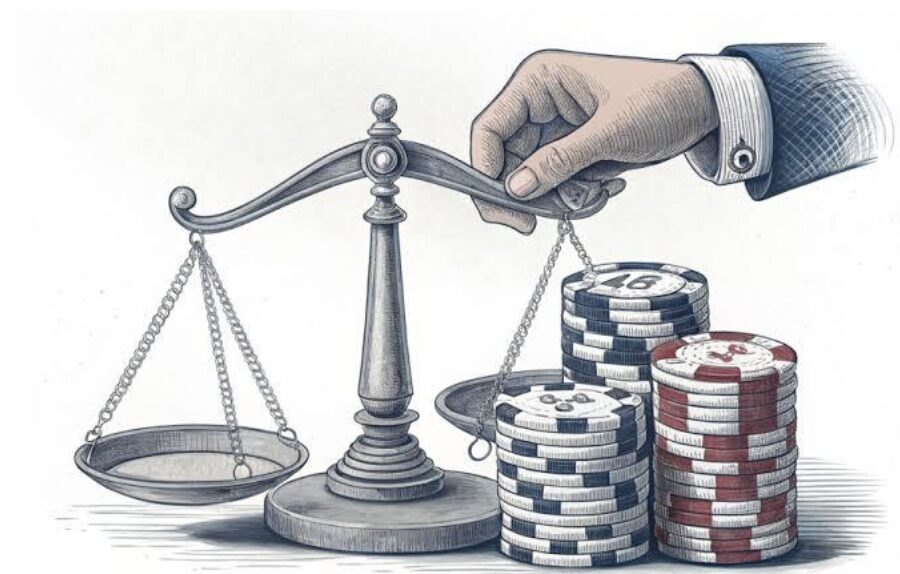
The BGC did not win the argument against the increase, but its framing left a mark. The government’s own response acknowledged the Commission must operate carefully within the 25% uplift and still find £8m in savings language that echoes, at least in part, the accountability argument the trade body pressed throughout the consultation. Whether that translates into a more measurable standard for the regulator remains open. For now, operators face a higher bill from October, a tighter margin across the board, and a policy environment in which the next cost increase is probably not the last.
 Share
Share


 210 views