






Key Points
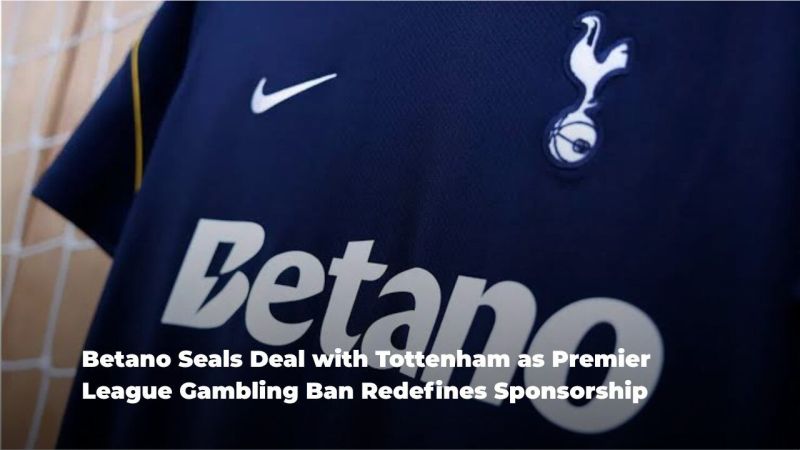
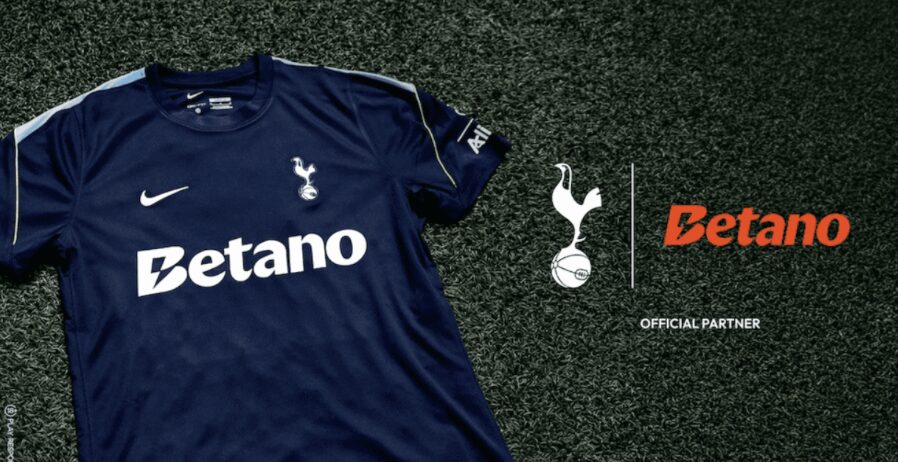
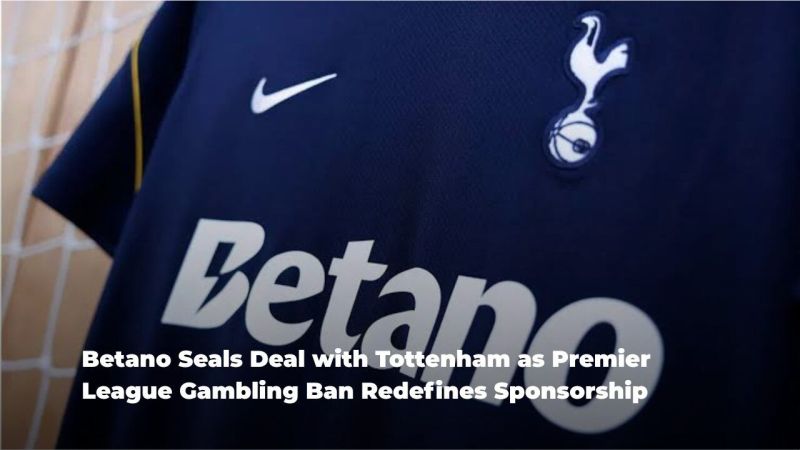
- Betano replaces BetMGM as Tottenham’s training kit sponsor for 2026/27, which is in effect for three years until 2029.
- With the voluntary gambling ban on the front of shirts for the 2026/27 season in the Premier League, betting operators are being pushed into training wear and sleeves as well as stadium ads.
- Tottenham’s retail training kits will not feature any Betano branding. This is raising concerns about the responsible gambling commitments involved in the deal.
The voluntary gambling ban imposed by the Premier League could not have succeeded without a fightback from the clubs and the operators themselves, who had their own interests to fulfil. With the two parties looking for a way around the ban, they managed to come up with a solution that worked. The 2026/27 season sees a redefined model of gambling sponsorship in football, instead of a full cut-off, with Tottenham Hotspur signing a partnership deal with Betano being the clearest evidence of that shift.
The Athens-based operator Kaizen Gaming has officially announced that Betano will appear on Tottenham’s training shirts next season after BetMGM, the brand that occupied that space since 2024. It is estimated that the annual cost of BetMGM’s deal was about £10 million, although there are no reports of how much Betano will be paying.
The arrangement reaches well beyond a logo on a training top. Betano will appear on the media backdrops framing every press conference and post-match interview, on the LED boards running along the pitchside, and on the large screens filling Tottenham Hotspur Stadium during matches. When the 2026/27 campaign wraps up, the training kit position passes to AIA, the club’s long-standing principal shirt sponsor, while Betano moves into a regional role as Official Betting Partner across Europe and LATAM, a status it holds through to 2029.
From the Front of the Shirt to Practically Everywhere Else
This deal was carefully crafted in such a way that it would fit into the regulations of the new Premier League but it would also be profitable beyond shirt sponsorship. Ryan Norys, Chief Revenue Officer of Tottenham Hotspur, sought words that would give meaning to this deal beyond profits: “From our earliest conversations, it was clear we had a shared vision for what a modern sports partnership should look like, one that creates unique experiences for our supporters while making a positive impact beyond football by striving to help enhance knowledge around responsible gambling.”
For Kaizen Gaming, the appeal of Tottenham is not hard to understand. The club commands a global audience exceeding 600 million and more than 130 million social media followers, making it the fastest-growing Premier League club on social platforms since 2022/23. Numbers like that do not require much of a sales pitch. Julio Iglesias, chief commercial officer at Kaizen Gaming, confirmed the reasoning: “This partnership marks another important milestone in Betano’s long-term investment in European football and the Premier League. As we continue to expand internationally, Tottenham Hotspur’s global reach, digital leadership and ambitious outlook make the Club an ideal partner for the next stage of our growth.”
Betano has been building its English football presence for some time. The operator ran a partnership with Aston Villa before this announcement, and in May the brand was named a regional FIFA World Cup 2026 sponsor covering Europe and South America. The trajectory is clear enough; Betano is not arriving in the Premier League, it is expanding within it.
The Ban That Was Never Quite a Ban
The Premier League’s voluntary front-of-shirt gambling restriction lands this season, concluding years of back-and-forth between the sport and the betting industry. When clubs announced the move, it carried the tone of a principled decision. What has materialised in the months since tells a more complicated story.
The two companies Everton and Stake have decided to renew the deal with only a change in positioning whereby the sponsorship logo is moved from the shirt to the sleeve. It still appears on the shirt, only in a new location. Midnite has chosen a completely different approach in which it has established its foundation through the Championship at Wolverhampton Wanderers, Sheffield United, and Middlesbrough. This is because the team was recently relegated from the Premier League. West Ham’s relegation delivered an unexpected benefit for Boyle Sports in a similar fashion, with a Premier League status clause in their deal keeping the partnership alive following the drop to the second tier. Across all of these arrangements, the same logic holds: the front of the shirt is now restricted, but the rest of the shirt, the stadium, the training ground, and the press backdrop are open for business.
Retail Kits and a Telling Omission
One line in particular that has been slipped into the press release merits further examination. Tottenham indicated that the training kits available for purchase via retail outlets will not carry the Betano brand logo. The fans who purchase the kits will get an unbranded product that is not used by the team members. As stated by the club, “Betano is committed to providing a safe and responsible betting experience across all markets where it operates.” However, there was no clear reason given as to why the brand would not appear on the retail product. It could be due to a variety of factors ranging from responsible gambling practices to contractual considerations.
Expert Analysis
Tottenham’s agreement with Betano has been put together with durability at its core. The three-year structure, the mid-deal transition from training kit partner to regional betting partner, and the responsible gambling language threaded through both sides’ statements all suggest an arrangement built for the long term rather than a quick commercial fix. The wider picture, though, belongs to the Premier League. The front-of-shirt restriction has moved gambling branding around the football ecosystem, not removed it. Operators now occupy sleeves, training tops, stadium screens, pitchside hoardings, and press interview backdrops. For clubs that rely on this income, the policy was never going to stop the money coming in; it was always going to redirect where the logo sits.
Explore more:
 Share
Share


 272 views