





Key Points
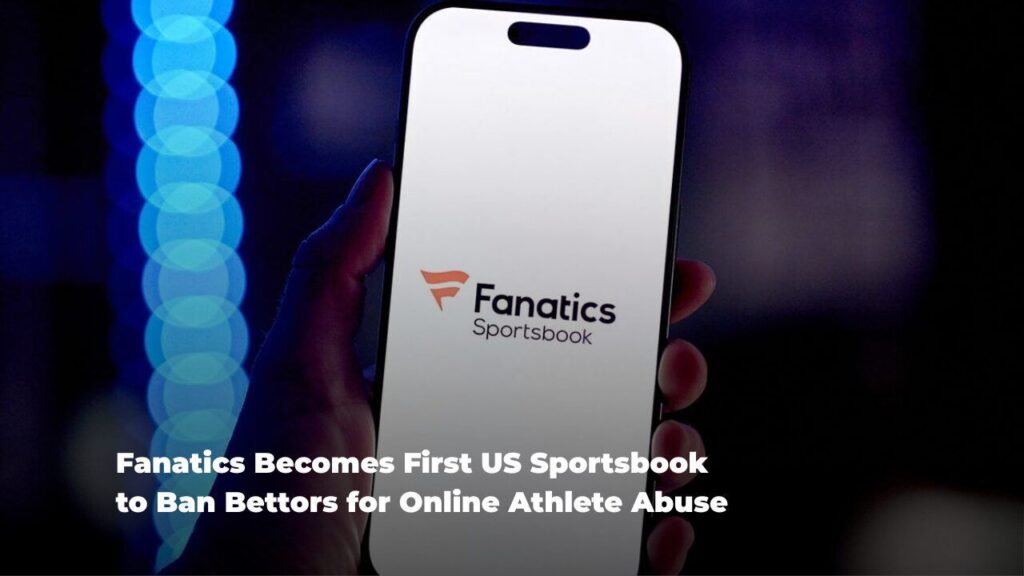
- Fanatics Sportsbook has become the first legal US sportsbook to suspend or permanently ban bettors found abusing athletes, coaches, or officials on social media.
- The programme combines Signify Group’s Threat Matrix monitoring with IC360’s ProhiBet Bad Actor platform, covering X, Instagram, Facebook, TikTok, and YouTube.
- Four US states already had laws permitting betting bans for harassment, but there have been few if any actual bans under those rules.
Sports betting has an issue of harassment, which is why Fanatics Sportsbook has now decided to handle it in a similar fashion as well. From the start of the NFL season 2026 onwards, any accounts that show signs of harassing players through social media will be banned if the case proves true.
The Bad Actor Programme, announced on 25th June 2026, is a result of the collaboration between Fanatics Sportsbook, IC360, and Signify Group. Fanatics is the first legal sportsbook to have come on board for this programme, and the terms laid down are clear. Any accounts engaging in harassing behaviour against athletes, coaches or officials will get suspended or banned permanently.
The timing is deliberate. Losses in sports betting have always come with frustration, but social media turned that frustration into something athletes now absorb daily, publicly, with nowhere to go.
The Technology Running the Programme
Two systems drive the monitoring. Signify Group’s Threat Matrix scans public-facing posts across X, Instagram, Facebook, TikTok, and YouTube, while athletes and officials are given a direct channel to submit abusive private messages for review.
Reports do not sit in a queue unchecked. Signify analysts grade each case by severity, push the worst ones to dedicated in-house specialists, and where the conduct appears to cross criminal thresholds, package the evidence for law enforcement referral.
IC360’s ProhiBet Bad Actor platform works on the same principle as its existing ProhiBet tool, which prevents athletes, coaches, trainers, and officials from placing bets they should not be making. The Bad Actor version applies that same restriction mechanism to customers whose social media conduct is flagged for abuse. Once an individual is confirmed, they are entered into a shared database that participating operators can access in anonymised form, allowing any sportsbook in the network to identify and act against that user without personal data being exchanged between platforms.
A Shared Blacklist, With Law Enforcement as the Backstop
The most serious cases go beyond account restrictions. Law enforcement referrals are part of the framework, and leagues or teams with targeted athletes receive the underlying evidence so they can act independently, separate from whatever an operator decides.
Matt King, CEO of Fanatics Betting and Gaming, put the company’s position plainly. “This groundbreaking program will hold bettors accountable for threats made against players, coaches, and officials. It falls in line with our core values at Fanatics, respect and tolerance for the athletes and coaches that play the games that we love. We encourage other operators to join the initiative because there is no sports betting potential loss that should embolden a sports betting customer to threaten or harass an athlete online.”
Jonathan Hirshler, CEO of Signify Group, framed it as a message the industry has owed athletes for years. “Over the last few years, many of our global sports clients have been calling for betting and gaming operators to tackle this growing problem head-on. This is a clear message to anyone who believes threatening, harassing or abusing athletes online is simply part of being a fan: it is not.”
Four States Had Rules. Almost Nobody Was Banned
The regulatory record makes the private-sector push harder to dismiss. Wyoming, Ohio, and West Virginia each have laws permitting state regulators to ban bettors for harassing athletes, and neither Ohio nor West Virginia had placed a single bettor on their exclusion lists at the time Wyoming joined them.
Wyoming State updated its harassment definition in December 2024 and established the list of persons who are involuntarily excluded. In March 2024, Governor Jim Justice of West Virginia signed a new law into effect which would take effect in June 2024. Ohio State introduced the statute of student-athlete harassment as part of the budget for 2024-2025. In May 2026, Louisiana State passed SB 325, where the Louisiana Gaming Control Board could exclude Louisiana residents from betting online or live because of their harassment. However, it came into force on 1 August.
Actual bans? Few, if any. The authority exists; the enforcement has not followed. That gap, between what regulators are permitted to do and what they have done, is the exact opening the Bad Actor Programme is built around.
IC360 and Signify: Industry Pressure Led Here
Scott Sadin, Co-CEO of IC360, was not understated about the situation. “Threats of violence and harassment in sports at arenas and on social media are increasing at an alarming rate, undermining the integrity of the sports betting industry. Addressing the individuals with ProhiBet BA and Threat Matrix is crucial to protecting athletes and other stakeholders from serious, long-term harm.”
Signify was already working with the NCAA and other sports organisations globally before this partnership, meaning its Threat Matrix infrastructure was not built for this programme. It is being redirected. Leagues and teams already in the Signify network now connect directly to the betting accountability layer, a two-way pipeline that did not exist before.
The previous year, FanDuel blocked a gambler who videoed himself hurling verbal abuse at Olympic athlete Gabby Thomas at a race, while BetMGM came out with its zero-tolerance stance on athlete harassment earlier this year. However, what is different here is neither has yet transitioned to the common monitoring system that Fanatics has put in place.
Expert Analysis
What Fanatics has built is not a policy update. A terms-of-service clause catches bad actors after the fact, once something has already happened and a complaint has been filed. Real-time social media monitoring, feeding a shared blacklist across operators, catches them in motion. IC360 and Signify Group are already in conversations with other sportsbooks about expanding the network, and Matt King told ESPN the goal is for this to become the industry standard. One operator running this system is a start. The full NFL and sportsbook ecosystem running it is something athletes have not had access to before, a cross-platform deterrent with actual enforcement behind it. Whether that happens before kickoff in September 2026 is the question the rest of the industry now has to answer.
Explore more:
 Share
Share


 243 views