







Prediction markets are expanding beyond sports, elections and event contracts into products linked to US equities and company performance, bringing Polymarket and Kalshi closer to traditional financial markets as weekly trading approaches $20 billion.
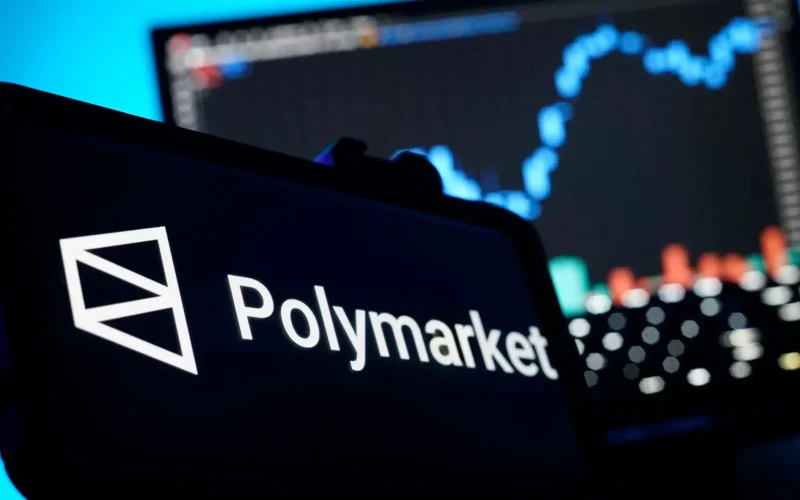
Reuters reported that more than $220 million was traded across about 31,000 equity-linked markets on Polymarket International through early September. Almost 60 per cent involved the movement of individual shares, including Nvidia, Alphabet, Apple and Tesla.
Data from DeFi Rate showed combined volume on Kalshi, Polymarket US and Polymarket International reached about $19.46 billion between 21 and 27 September, up 3.9 per cent from $18.72 billion the previous week.
Kalshi remained the largest venue, with volume increasing 2.6 per cent to a record $15.66 billion, representing 80.5 per cent of the total. Polymarket US grew 21 per cent to $2.83 billion, increasing its share to 14.6 per cent, while Polymarket International fell 13.5 per cent to $964.1 million.
Combination contracts drove Polymarket US growth. Their volume rose 44.4 per cent to $1.53 billion, equal to 54.1 per cent of platform trading and 95.9 per cent of its weekly increase.
Equity Linked Contracts Push Prediction Markets Towards Financial Regulation
Polymarket International lets users trade on whether individual stocks or indexes will reach specified levels by set dates. Kalshi does not offer contracts directly tied to share prices, while Polymarket’s CFTC-regulated US exchange currently offers only limited contracts linked to corporate performance indicators.
Individual-stock contracts may qualify as security-based swaps overseen by the Securities and Exchange Commission. Some legal experts believe corporate-performance contracts could receive the same classification, although Kalshi disputes that interpretation.
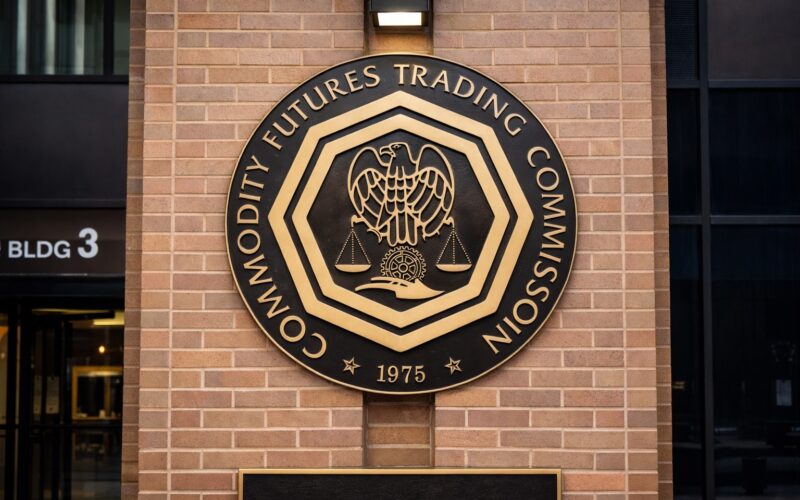
The SEC and Commodity Futures Trading Commission requested public feedback in June on the treatment of equity-linked prediction products and which regulator should have primary responsibility.
Their expansion also creates market-integrity risks involving non-public corporate information, manipulation and links between prediction trading and underlying securities. Polymarket and Kalshi told Reuters that they monitor misconduct and cooperate with US authorities.
The core issue is no longer limited to the label attached to a contract. Regulators must also consider who can trade it, what information could influence its price and whether activity on the platform can affect, or be affected by, the related security.
Prediction Markets Increase Competition With Traditional Sportsbooks
Prediction platforms are also competing more directly with established gambling operators. A Fullstory survey found that over one-third of consumers used sportsbooks less often because of prediction markets, while another 25 per cent selected either product depending on the event. Sixty per cent said the platforms had changed their betting habits.
Sports remained the leading category, used by 62 per cent of respondents. Financial and economic events attracted 42 per cent, while politics and elections drew 41 per cent.
More than half of bettors compared prediction markets with gaming platforms before placing a wager. User experience could influence that choice: 77 per cent had changed gaming platforms because of experience problems, and 44 per cent identified ease of use as the main reason for switching.
Prediction markets are testing two regulatory boundaries at once: gambling and securities. Their growth makes a divided oversight model difficult, when one platform can serve sports bettors and equity traders through closely related contracts.
 Share
Share


 4 views