






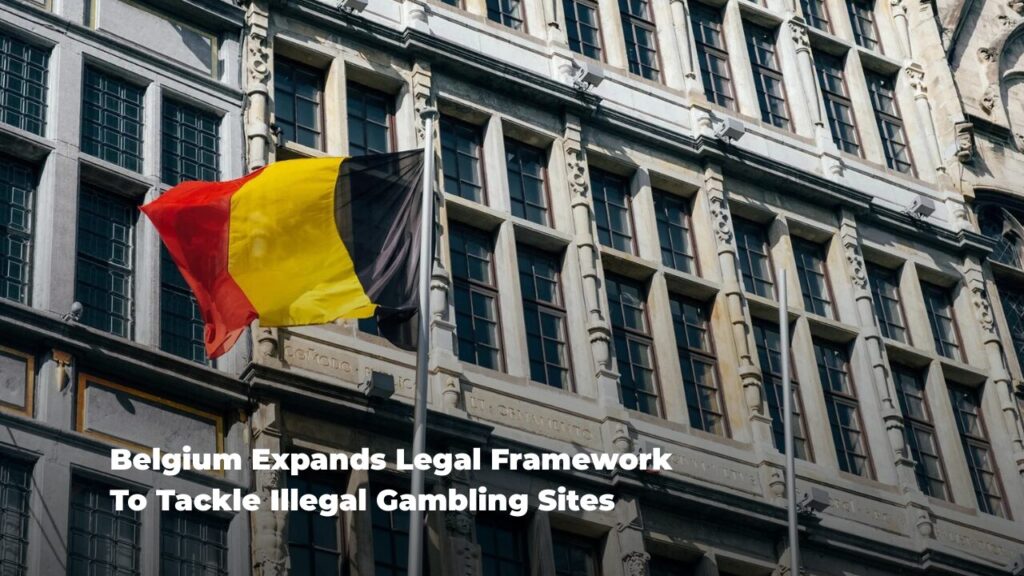
Belgium has introduced a new regulatory framework to dismantle illegal gambling platforms by targeting these operators and the infrastructure that supports them. The system is anchored in the country’s 2026 Gambling Reforms, which replace the 2011 Gambling Act.
Authorities have focused on reducing addiction risks, preventing fraud, and limiting access to unlicensed operators. Under this framework, the Federal Public Service Economy has engaged intermediaries including internet service providers, technology vendors, and domain registrars. Each platform is verified as unlicensed before being added to the national block list.
Belgium’s legal structure combines the Federal Gambling Act of 1999 and the Lotteries Act of 1851. But these laws have been reinforced with stricter licensing rules and consumer protection measures, plus a flat 5% tax on gambling turnover.
The Belgian Gaming Commission oversees the market, while Article XVII.34/1 of the Belgian Code of Economic Law allows the Business Court of Brussels to issue blocking orders against both operators and intermediaries.
Multi-layer enforcement targets access, distribution and promotion channels
Belgium’s model introduces six layers of enforcement, making it one of the most comprehensive systems in Europe. The first layer requires Internet service providers such as Proximus, Telenet, Orange Belgium and Starlink to block access to blacklisted websites.
This is followed by the prohibition of CDNs like Cloudflare from supporting illegal platforms, while search engines like Google must remove links to unlicensed operators. Social media platforms including Meta are required to restrict advertising linked to these sites.
Domain registrars must also identify and suspend domains connected to illegal gambling activity. DNS providers are included to prevent users from bypassing restrictions. Mirror sites are automatically added to the block list, and intermediaries must act within five working days of receiving notice. Failure to comply carries up to €500,000 fines per violation.
Early enforcement results show initial impact of new measures
Authorities have started implementing the system, with measurable early success. According to Paul Laurent, head of the Belgian Anti-Online Piracy and Illegal Gambling Office, 49 websites have been blocked under the strengthened framework.
Countries like France and the Netherlands rely heavily on ISP blocking and financial penalties. However, Belgium’s strategy extends enforcement across multiple technical and commercial layers.
Crackdown aligns with EU regulatory trends despite fragmented market
The Belgian market remains fragmented at the regional level. There is no unified EU licensing system, meaning a licence from the Malta Gaming Authority does not grant automatic access to markets such as Germany or France. Data protection is governed by GDPR, while anti-money laundering measures follow AMLD5 standards across member states.
Regulators are also increasing collaboration on cross-border enforcement, supported by AI and payment tracking systems. Belgium’s latest measures combine alignment with EU standards, while maintaining national control.
Belgium has tightened its enforcement against illegal gambling platforms by revising its legal framework. Despite having one of the most stringent models in Europe, its latest measures include stricter customer protection and a 5% gambling tax. The new framework aims to destabilise the infrastructure supporting illegal sites.
Explore more:
 Share
Share


 168 views