





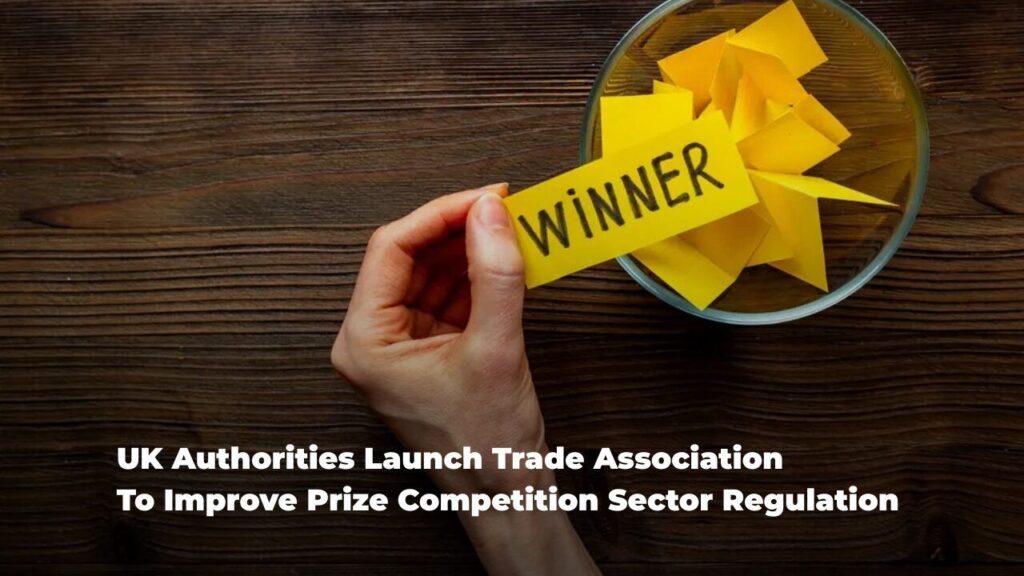
The Prize Competition Council (PCC) has officially launched as the new trade association for the UK’s prize competition sector, bringing around 50 operators under a single industry body. This follows months of collaboration between operators and the introduction of a voluntary code of conduct, which took effect in May.
The code, first published by the government in November last year, focuses on improving player protection, transparency and responsible marketing. It also gives players the option to set monthly spending limits while allowing operators to introduce their own safeguards where appropriate.
The PCC has established its governance framework and played a key role in developing the voluntary code. Daniel Swann, representing smaller operators, stressed the importance of industry-wide participation.
“It is vital that everyone embraces the Code and feels the PCC has their interests at heart.”
Industry Leaders Form Board To Guide Sector Development
The new council has elected its first board, which will serve an initial two-year term. This board features independent chair George McGregor plus representatives from Winvia Entertainment PLC, Jumbo Interactive UK, Pristine Competitions, Seven Days Performance, The GiveAway Guys, McKinney Competitions, Paragon Competitions and Two Fat Ladies Competitions.
Jo Bucci, founding member and outgoing PCC director, said the board would help the industry address future challenges while acknowledging the support from the DCMS during the council’s formation.
George McGregor believes this to be a crucial stage in the sector’s development. He said its creation “reflects the growing maturity of this sector and the recognition that every successful industry benefits from strong representation and clear standards”.
Council Sets Priorities Around Compliance And Industry Representation
One of the PCC’s immediate priorities is helping members implement the voluntary code across the market. The organisation also plans to develop sector-wide guidance, training materials and best-practice resources while representing members for talks with the government and regulators.
Supporting smaller operators is another key objective, with the council aiming to provide access to guidance and advocacy regardless of business size. Prize competitions occupy a distinct position within the UK’s regulatory framework.
Depending on how competitions are structured and prizes are awarded, they are treated differently from traditional gambling products and lotteries.
Expanding Market Continues To Attract Industry Attention
Research published by Rokker in April estimated that the UK prize draw competition market generates around £1.3 billion in annual revenue and serves about 7.4 million active players. Industry participants believe the current regulatory environment has contributed to that growth.
“One of the key advantages in the UK is that prize draws are not currently subject to Remote Gaming Duty,” said Jamie Pinner, senior leader at DrawHouse, a prize draw operator in the UK. “That makes them a far more efficient revenue stream than sportsbook or casino products, at least for the time being.”
Pinner also believes that advantage may not last indefinitely.
“That gap is widely seen as a short-term regulatory window,” he said. “Over the next few years, I expect the market will move toward regulation. If that happens, major betting operators will already be in a strong position because they have the infrastructure, compliance frameworks and customer bases ready to scale quickly.”
The UK authorities have launched a trade association to regulate prize draws within the country. This body will comprise over 50 gambling businesses and operate with a voluntary code of conduct. The council is run by a board featuring representatives from top companies.
Explore more:
 Share
Share


 139 views