Key Points
- Stake has launched in Mexico through stake.mx, entering a regulated market before the 2026 World Cup to gain an early position.
- The firm runs under SEGOB rules through a permit system using the Uno Capali licence, and it keeps compliance while it grows in Latin America.
- Mexico has mobile users, sports betting habits, and a shift to online play where digital revenue passed land-based in 2025, which gives it value.
Many betting firms wait for demand to rise before entry. Stake did not wait, and this move shifted direction. By entering Mexico before the World Cup rush, the firm does not chase growth, it tries to guide it. Why now comes a clear question? What this early step shows about the global betting path also stands out.
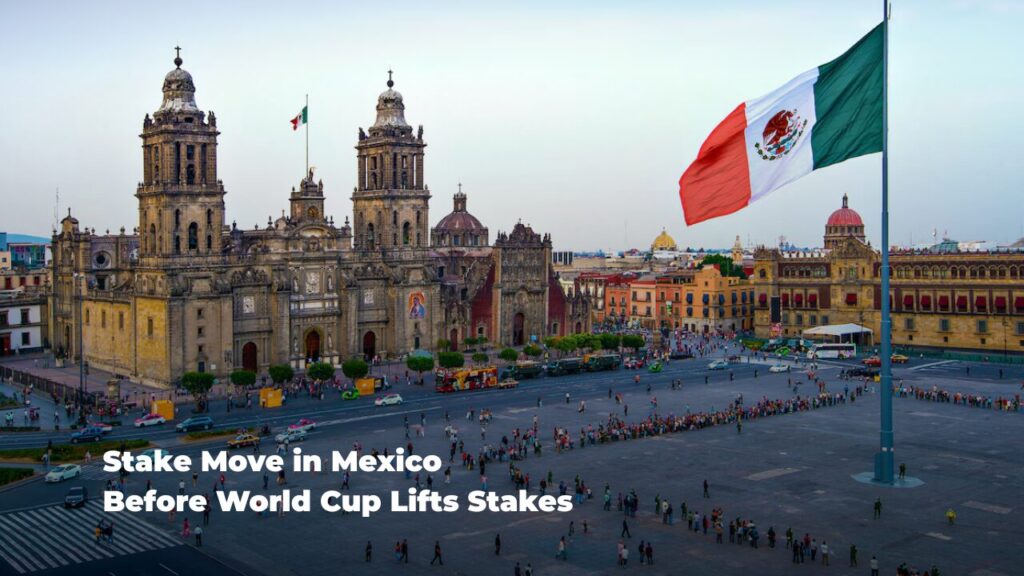
Stake Move in Mexico Before World Cup Lifts Stakes
Stake has launched in Mexico through stake.mx, entering a regulated market before the 2026 World Cup to gain an early position. The firm runs under SEGOB rules through a permit system using the Uno Capali licence, and it keeps compliance while it grows in Latin America. Mexico has mobile users, sports betting habits, and a shift to online play where digital revenue passed land-based in 2025, which gives it value.
A Planned Entry into a Rising Market
Many operators wait and watch demand build before entry. Stake chose another path, this shift shows once its platform goes live. Through stake.mx, the firm brings sportsbook and casino offers into a gambling space in Latin America. The platform form shows planning. It joins the user flow, tech, and content set, all built for mobile use. This part links with user action in Mexico online. When platforms match this mobile pattern, adoption does not slow, it moves fast. That pace shows in the data. In 2025, online gaming revenue in Mexico passed land-based revenue for the first time. This point shows more than growth, it marks a change in the user link with gambling tools.
Why Mexico Fits the Plan?
At first glance, Mexico may seem like a step-in regional growth. A closer look shows parts align in a way hard to ignore. A young base grows, digital use rises, and sports link, mainly football, drives engagement. Each part works on its own. Together, they boost each other. This mix builds a space where sportsbook-led platforms gain use fast. The stake move did not start here. It builds on pace from Peru and Colombia. Mexico runs on a bigger scale. Its size and future push it into a key role. Rules also shape action. The firm works under a permit system by SEGOB, as an agent under the Uno Capali licence. This form keeps compliance while it avoids delay. Entry then becomes fast within the rules.
World Cup Factor Gives Leverage
The 2026 World Cup, with Mexico, the United States, and Canada, adds another layer. Big events drive a rise in sign-ups, bets, and use. These rises build over time with growing interest. Early entry shifts the plan. Instead of launching at peak demand, Stake sets place before rising. When the event starts, the brand sits in the user’s habit. This step cuts friction for new users. The chance stays large. Football markets react strongly in such events, and Mexico’s link to sport adds more effect.
Stake director Jarrod Febbraio said: “Mexico is an important market for us, it links growth with sport, which fits Stake. We built pace in Latin America, in Peru and Colombia, and Mexico forms the next step with its scale and future. With Mexico set to host the 2026 football World Cup, this launch shows our move into key markets at the right time. It gives us a chance to build presence before a major event and give an experience for players.”
Beyond Place, Position and Trust
Entry into Mexico means more than location. It shows a shift in global position. Stake built reach through crypto work and links with Drake, Alex Pereira, and Eden Hazard, now a World Cup ambassador. Moving into regulated markets shows a change. Focus shifts to a compliant and local operator. This change links with trust. In Mexico, trust shapes user gain and return, so it becomes key.
Industry Impact and Plan Shift
Stake entry shows a change in the industry path. Operators no longer wait for peak demand. They enter early, build systems, and shape user action before rivals grow. This method changes the competition. Late entrants face high costs and low brand link. Early movers gain from the user link and a smooth start. Mexico, with its rules and digital rise, becomes a test ground for this plan.
Expert View on Industry Effect
Moving into Mexico shows a focus on long-term build not short-term gain. Operators face early costs in compliance, local work, and tech. Over time, these costs lower pressure during peak events like the World Cup. Across the sector, competition in Latin America grows. As more firms use this path, focus shifts. Entry time matters less, product, user flow, and trust define success. Chances remain strong. Mexico’s mobile base and sports link create room for fast scale when aligned. Risks stay. Rule change, compliance demand, and competition may press margins. Firms that do not adapt may face struggles. Edge goes to early entrants with flexible plans and strong compliance. Others who enter late face high barriers and costs.
Explore more:
 Share
Share


 384 views