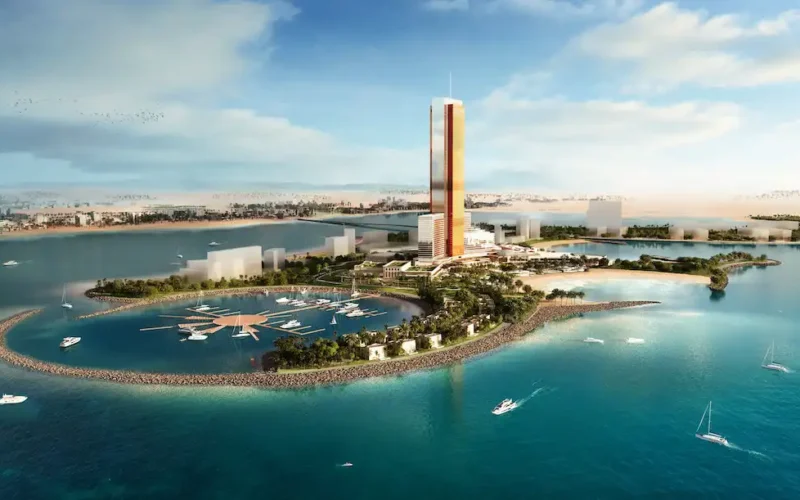







Sri Lanka is implementing stricter controls for illegal online gambling as businesses previously linked to Philippine Offshore Gaming Operators seek bases. Colombo Port City has emerged as a destination for groups displaced by the Philippines’ POGO ban.
Workers from across Asia have moved to Sri Lanka for online gaming jobs. The movement follows the dismantling of the Philippine POGO sector. President Ferdinand Marcos Jr. ordered POGOs to close in 2024 after criminal investigations and regulatory issues.
Sri Lankan authorities are facing similar risks. The government blocked 122 online gaming platforms targeting local users and established a new gambling regulator. Further rules are expected to apply nationwide, including businesses operating within Colombo Port City.
Although the special economic zone was created to attract foreign investment, gambling companies are subject to Sri Lanka’s developing regulatory framework.
Philippines expands enforcement beyond closures into assets and payments
The Philippines has moved beyond shutting individual POGO sites. The 2024 prohibition was reinforced through the Anti-POGO Act of 2025, while agencies introduced procedures covering investigations, prosecutions, evidence handling and asset preservation.
Civil forfeiture has become an enforcement tool, allowing authorities to pursue property linked to illegal POGO activity without relying solely on criminal convictions or facility closures.
Cases have included assets connected to offshore gaming businesses and foreign nationals accused of unlawfully acquiring Philippine land. Some confiscated POGO properties were considered for government use, including accommodation for trafficking victims.
Furthermore, PAGCOR has introduced stronger identification requirements before deposits, expanded advertising restrictions, introduced self-exclusion measures and established a national problem gambling helpline.
Blocking offshore operators remains difficult. Cyber authorities told lawmakers that around 50,000 gambling websites had been blocked, with 95% to 97% operating from outside the Philippines. Officials are deliberating with other international bodies to jointly pursue operators beyond domestic jurisdiction.

Philippine gaming revenue declines as enforcement continues
The crackdown is taking place while legal gaming revenue weakens. PAGCOR reported Q2 2026 gross gaming revenue of PHP88.13bn, around 20% lower than the previous year. First-quarter revenue declined 15.9% year-on-year to PHP87.60bn.
In July, PAGCOR said total revenue fell 26.7% during the first half of 2026 as gaming income slowed. PAGCOR chairman and CEO Alejandro H. Tengco said: “We will continue working with our stakeholders to ensure that the gaming industry remains a meaningful contributor to nation-building.”
Sri Lanka is dealing with an offshore gaming challenge that took the Philippines years to contain. Manila’s experience shows how quickly the issue can expand from licensing and website blocking into asset seizure, criminal investigations, payment controls and cross-border enforcement.
Sri Lanka has a chance to learn from the Philippines before the problem becomes deeply embedded. The obvious lesson is that illegal gambling is rarely only a licensing issue. Once the networks settle in, enforcement expands into payments, property, labour and cross-border crime.
Explore more:
 Share
Share


 6 views