

Key Points
- National portal lists authorised gambling operators across South Africa.
- Unlicensed operators account for 62% of online gambling activity.
- Wagers reach 1.5 trillion rand in 2024/25 as regulators face offshore growth.
A Hidden Risk in Plain Sight
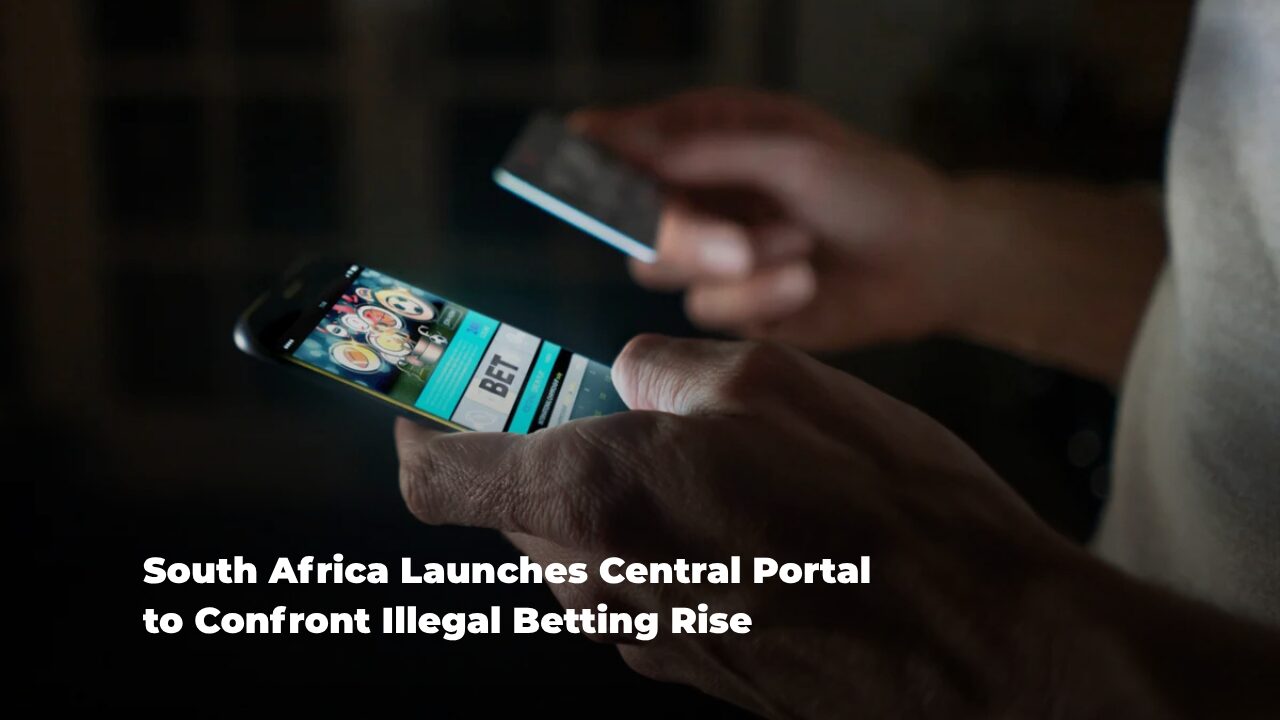
Most users walk into online gambling with the belief that access means permission. That belief is where everything starts to break down. South Africa’s gambling market grew at a pace that left regulation trailing far behind offshore platforms reaching local users without resistance. The result sits in plain view a portion of online betting runs outside legal oversight, and users carry risks they never see coming. Against this, the National Gambling Board (NGB) brought in a new online verification portal. The surface purpose reads simply to let anyone check whether a gambling operator holds a licence. But underneath that sits a goal that runs deeper, closing a structural gap where access has moved well past awareness.
A Centralised System to Verify What’s Legal
The portal went live on Wednesday, 8 April, and it now stands as the single authoritative database of all licensed gambling operators in South Africa. Both land-based venues and online platforms that received approval through provincial licensing systems appear on it. Provincial Licensing Authorities (PLAs) worked with the NGB to build a searchable register that stays continuously updated. Only operators on this portal can legally offer gambling services inside the country. That line carries more weight than it first appears. For users, a vague fear “Is this site safe?” now has a direct answer. Players no longer lean on branding or advertising claims; they check the register before placing a single bet. The database also opens to law enforcement agencies, financial institutions, and tax authorities, letting that same source of truth guide compliance monitoring and enforcement across the system.
Why Regulators See This as a Turning Point?
The numbers behind the portal tell the story of what pushed regulators to move. South Africa recorded 1.5 trillion rand approximately $89 billion in wagers during the 2024/2025 financial year, a 31.3% increase on the year before. That growth signals demand, and it also exposes how much of the market slips past oversight. Estimates place 62% of online gambling with unlicensed operators. This goes beyond a compliance issue it cuts into consumer safety, tax collection, and financial transparency. Acting CEO Lungile Dukwana put the portal in direct terms: “This platform is a critical step in safeguarding South Africans from the dangers posed by illegal gambling.” He added: “It gives the public a trusted resource to verify licensed gambling operators and ensures that those who choose to gamble can do so in a safe, regulated environment and strengthens oversight and accountability within the gambling industry.” The strategy shifts here. Regulators no longer rely only on enforcement they push verification into the hands of users as a step that happens before engagement even begins.
The Legal Tension Behind Online Gambling
The need for this tool connects to a contradiction sitting inside the law itself. A ruling by the Gauteng High Court reaffirmed that online casinos remain illegal under South African national law. Offshore platforms, however, keep reaching local users without much friction at all. Restrictions exist on paper while digital access makes those restrictions difficult to apply consistently across provincial jurisdictions. Differences between provinces in how they apply rules have left room for unlicensed operators to grow without resistance. The verification portal does not close this legal mismatch. It exposes the gap more clearly and hands users a way to move through it with more information.
Tax Policy Debate Adds Another Layer
Fiscal policy now adds pressure from another direction. Authorities consider a 20% tax on gross gaming revenue, aimed at pulling more into state coffers. The industry pushes back with concern. Critics argue the tax could push users toward offshore platforms that sit entirely outside the tax system. A representative from the Free Market Foundation warned: “The likely result is that more users will be driven to offshore online casinos, which operate outside the existing regulatory regime and do not pay gambling taxes.” The balance here is delicate tighter regulation or higher taxes may strengthen the formal system, but users moving offshore would produce the opposite result entirely.
Consumer Protection: What Actually Changes for Players
For individual users, the difference between licensed and unlicensed platforms lies in real outcomes, not theory. Licensed operators must comply with:
- Dispute resolution mechanisms
- Responsible gambling protocols
- Anti-money laundering regulations
Unlicensed platforms carry none of those protections. Fraud exposure rises, dispute resolution disappears, and financial risk climbs. The portal gives users a check they can run before something goes wrong rather than after. Dukwana drew a clear line: “We are not encouraging gambling beyond recreation, but rather promoting informed and responsible participation for those who choose to engage in it.” That reflects a position where regulators accept that participation will happen and aim to make it safer and more transparent for everyone inside the system.
Beyond Awareness: Cutting Off the Financial Pipeline
Awareness alone cannot carry the weight of solving illegal gambling. The NGB plans to bring banks and payment providers into the strategy, using the verification list as a filter for transactions. The idea targets money movement directly if an operator does not appear on the list, transactions linked to it face flags or restrictions. Enforcement shifts from chasing operators across borders to controlling the financial access points that keep those operators running. If this lands effectively, it limits the reach of unlicensed platforms inside South Africa even when those platforms remain visible online.
A System Trying to Catch Up with its Market
The portal marks progress, and it also marks how far the system still has to travel. Gambling activity expands. Digital platforms grow more capable. Users face a wider range of global operators every year. Regulation adapts at its own pace, and that pace trails the market. The portal does not end illegal gambling. What it does is reduce the ambiguity that most users live inside. Most players do not deliberately seek out unlicensed platforms they navigate a system where legality is unclear and trust goes to whatever looks accessible. Making clarity available at scale is the NGB’s way of shifting behaviour without waiting for enforcement alone to carry the load.
Where Does This Leave the Industry?
A central verification tool quietly shifts how the market works for everyone involved. Licensed operators gain visibility and credibility in a space where that distinction now has a public reference point. Unlicensed operators face scrutiny from users directly, not just from regulators operating at a distance. Financial institutions step into enforcement as active participants rather than passive channels. Players gain a tool that makes decisions before consequences arrive. Yet the core tension remains a fast-moving digital market running against a regulatory framework that moves at a different pace entirely. What shifts now reach beyond policy. The belief that accessible means legal no longer holds as firmly as it once did, and that shift carried quietly inside a searchable database is exactly where real regulatory impact takes root.
Explore more:
 Share
Share 


 60 views





 Analysis
  Business
  Companies
  Crime
Crime  Finance
  M&A
M&A  Prediction Markets
  Regulation
  Reports