Key Points
- Pure Canadian Gaming has applied to launch an online casino app and website under the PureCasino.ca brand, backed by a multi-year Kambi sportsbook deal, just as Alberta became the second Canadian province to open iGaming to private operators on 13 July 2026.
- More than 48 companies paid $200,000 each in registration fees ahead of the launch, including BetMGM, DraftKings, FanDuel, and bet365, though Alberta’s Service Minister says only around 20 were ready for customers at go-live.
- The province expects to collect CAD$76 million in its first year from a 20% revenue share, with long-term potential ranging between CAD$700 million and CAD$1 billion annually, but player protection, not money, is the stated priority.
Pure Canadian Gaming Bets on Alberta Trust as 48 Global Rivals Flood New iGaming Market
Pure Canadian Gaming, the Alberta-based company behind seven casinos across the province, has applied to launch its own online gambling platform just as Alberta cracked open one of Canada’s most anticipated iGaming markets. The application covers a smartphone app and website, both set to operate under the PureCasino.ca brand following the province’s regulated launch on 13 July 2026, the day Alberta became the second province after Ontario to allow private online gambling operators.
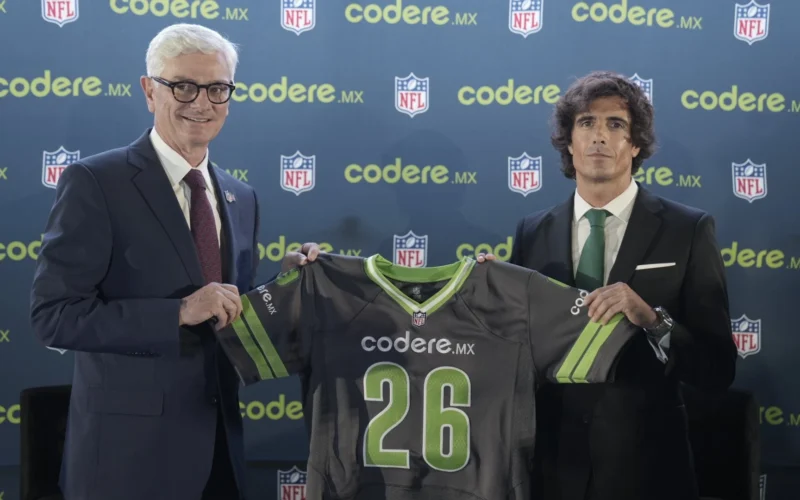
The company’s pitch is blunt. “We can’t outspend the multinationals on Super Bowl ads. But we can beat them on trust and our commitment to Alberta,” said Brad Belhouse, president and CEO, in a Friday news release. “We were here before they arrived, and we’ll be here long after the market settles.”
A Local Operator Steps into a Multinational Rush
Pure Canadian Gaming has been running casinos in Alberta for more than 25 years, with two locations in Edmonton and properties spanning Calgary and Lethbridge. The company currently employs around 1,500 people in the province. With its online entry, it says revenues will stay in Canada and support local jobs, a deliberate contrast to the multinational wave it describes as already flooding the province with celebrity-endorsed advertising.
To power its sports betting ambitions, the company signed a multi-year partnership with Kambi Group plc on 7 July 2026. Kambi’s Turnkey Sportsbook will serve Pure Casino Entertainment across retail locations in Calgary, Edmonton, and Lethbridge, as well as its new online platform. Kambi Group CEO Werner Becher said the deal gave his company a stronger footprint in Canada, while Belhouse called Kambi’s track record and regulatory certainty the deciding factors in selecting a technology partner.
The partnership also has scope to expand following Indigenous Gaming Partners, Pure Casino Entertainment’s parent organisation, acquiring three additional casino locations in the province.
48 Applicants, One Crowded Starting Line
The scale of competition Pure Canadian Gaming faces is not subtle. Nearly 50 companies paid $200,000 each in registration and permit fees ahead of Alberta’s launch, among them BetMGM, DraftKings, FanDuel, and bet365. Service Alberta Minister Dale Nally said he thought closer to 20 operators were actually ready to serve customers on day one. An AGLC spokesperson confirmed the system was live as of midnight, saying simply: “all systems are a go.”
One operator, Coolbet, a platform headquartered in Estonia, announced earlier in July that it was withdrawing from Alberta altogether due to the province’s regulatory requirements.
The sheer volume of applicants signals what is at stake. Alberta’s online gambling demographics lean young and mobile-first, with strong hockey interest among a base where around 80% of the province’s 5 million residents are of legal age. Spending data, according to GiG Gaming, puts average monthly outlay at CAD$210 ($148) per player via smartphone.
The Revenue Picture and Where the Money Goes
Alberta’s government is projecting CAD$76 million ($53 million) in first-year revenue, based on licence fees, tax collections, and player participation estimates. Longer-term forecasts cited by Service Alberta Minister Nally point to between CAD$700 million and CAD$1 billion annually once the market matures. The province will collect 20% of each operator’s revenue. An additional 2% is ringfenced for First Nations communities, though Nally confirmed distribution details are still being worked out.
Nally has been consistent on one point: “This has been about putting players’ safety and player responsibility first. It never has been about the money.” Every licensed operator must contribute 1% of gross gaming revenue to responsible gambling programmes, covering education, prevention, counselling, and treatment.
PlayAlberta, Grey Market, and the Ontario Comparison
Before 13 July, Alberta residents either used the government-owned PlayAlberta or risked unregulated offshore sites. Non-Canadian operators were capturing an estimated 70% of online gambling in the province, a share that the regulated framework is designed to chip away at. Nally was frank about the limits of enforcement: “We can’t turn off the internet.” Regulation was the only practical path.
Alberta has taken its blueprint largely from Ontario, which opened its competitive online gambling market in 2022. Ontario’s first year generated around C$87 million from private operators, and adoption has accelerated since; over 91% of online gamblers in Ontario now use licensed sites, according to the Alcohol and Gaming Commission of Ontario. A University of Toronto study published in March 2026 found helpline calls among men under 24 had risen more than 300% since Ontario’s launch, and active online accounts per 100,000 people grew 239% in three years. Nally said the same could happen in Alberta, though he argued those numbers may partly reflect better awareness of treatment options rather than a proportional rise in problem gambling.
What the Advertising Rules Actually Say?
Alberta’s bonus advertising restrictions took effect alongside the launch. Schedule 1.1 of the Gaming, Liquor and Cannabis Amendment Regulation (AR 2/2026) prohibits operators from making public advertisements concerning gambling bonuses, credits, or incentives. However, there is an exception when advertising is made via the operator’s website and direct messaging that occurs after the recipient has given informed consent. Sport stars may be used in the advertisements, but their presence should be restricted to content promoting responsible gambling practices and not directing individuals towards a particular game or bet.
Limits on deposits, self-exclusion, reality check, and cooling-off period are mandatory for all operators. The self-exclusion program from physical casinos in Alberta transfers to the online sector, hence, a participant will self-exclude from participating in all iGaming regulated in the province through a single procedure. Operators must stop marketing communications directed at a participant who has self-excluded.
The oversight structure separates regulatory and operational roles. The AGLC remains the regulator. Alberta iGaming Corporation (AiGC) manages and conducts online lottery schemes on behalf of the provincial government.
Expert Analysis
Robert Williams, a professor at the University of Lethbridge’s addiction and mental health programme and a member of the Alberta Gambling Research Institute, was measured in his expectations. He predicted a small rise in helpline calls and problem gambling cases, but doubted Alberta would see the spike Ontario experienced. His more pointed concern was economic. “It’s an economic vacuum in the province,” Williams said. “With an online website that you’re simply importing to a different country, there’s very little expense, with the exception of your competitive advertising.”
That observation lands differently for Pure Canadian Gaming. A local operator with 1,500 employees, physical properties in multiple cities, and a 25-year track record cannot be accused of extracting value and leaving. Whether that distinction carries enough weight with Alberta’s mobile-first gamblers, many of whom will be choosing between the same app icons, is what the next 12 months will settle.
Explore more:
 Share
Share


 136 views