







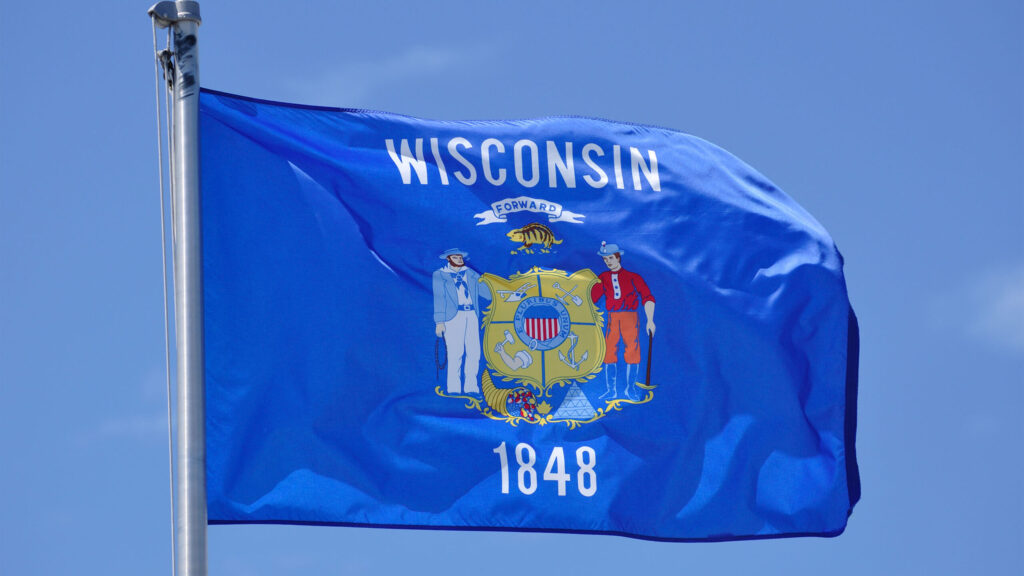
Prediction market platform Novig has filed a federal lawsuit against the Wisconsin Department of Justice, arguing that its sports event contracts are only regulated under federal commodities law.
The complaint was filed by Novig parent Ludlow Exchange LLC after Wisconsin authorities moved against prediction market operators earlier this year. Novig says it does not offer gambling products. Instead, users buy contracts linked to sporting outcomes, with payouts determined by whether the specified result occurs.
The company argues these contracts are derivatives that fall exclusively under the jurisdiction of the Commodity Futures Trading Commission. Its lawsuit says the dispute concerns trading on offering event contracts instead of gambling products.
They also stated that Congress has given the CFTC exclusive authority over those products. Novig is seeking to prevent Wisconsin officials from applying state gambling laws to its operations.
Wisconsin previously targeted Kalshi, Polymarket and other platforms
The case follows enforcement action launched by the Wisconsin DOJ in April against prediction market companies including Kalshi, Polymarket and Coinbase.
Wisconsin Attorney General Josh Kaul argued that the platforms were facilitating unlawful sports betting activity in the state. The DOJ said sports-related event contracts offered by prediction market operators were indistinguishable from conventional sports wagers under Wisconsin law.
Novig entered Wisconsin during the first week of August and said it filed the lawsuit because it fears similar enforcement action. The company argues that Wisconsin’s interpretation could expose it to legal and criminal risks despite operating under a federal framework.
Wisconsin’s new sports betting law sharpens the jurisdictional dispute
Online wagering is permitted only when the required computer servers are located on tribal land. Before the legislation was signed, legal sports betting in Wisconsin had been available since 2021, but was limited to in-person wagering at tribal casinos.
State officials argue that prediction market companies offering sports contracts outside that structure are bypassing the framework established under Wisconsin law. Novig says state restrictions cannot override the federal regime governing event contracts.
Prediction market operators keep challenging state enforcement
Kalshi and Polymarket have made similar arguments in disputes across the US, maintaining that their products are financial contracts regulated under federal laws. Several operators have relied on federal court decisions they say limit states’ ability to regulate CFTC-supervised event contracts.
States have responded with lawsuits, legislation and enforcement actions, against platforms offering sports-related markets. Wisconsin’s existing cases against Kalshi, Polymarket, Coinbase and other companies have moved into federal court.
The sector continues expanding, with industry estimates suggesting annual prediction market trading volume could reach $1 trillion by 2030.
Novig’s lawsuit adds another important test of whether sports event contracts should sit under federal commodities law or state regulation. The outcome matters beyond Wisconsin because every court ruling will define legal limitations for each state, when event contracts begin to resemble conventional sports betting.
 Share
Share


 210 views