






Key Points
- Over £110,000 in cash and gold, plus 16 illegal betting terminals, were seized from venues in Sheffield and Doncaster during raids on 4-5 August 2026.
- Operations Duxford and Snaresbrook involved five agencies including the Gambling Commission, YHROCU, Immigration Enforcement and local councils.
- The South Yorkshire crackdown is the third Gambling Commission enforcement operation in two months, backed by £26 million in dedicated government funding.
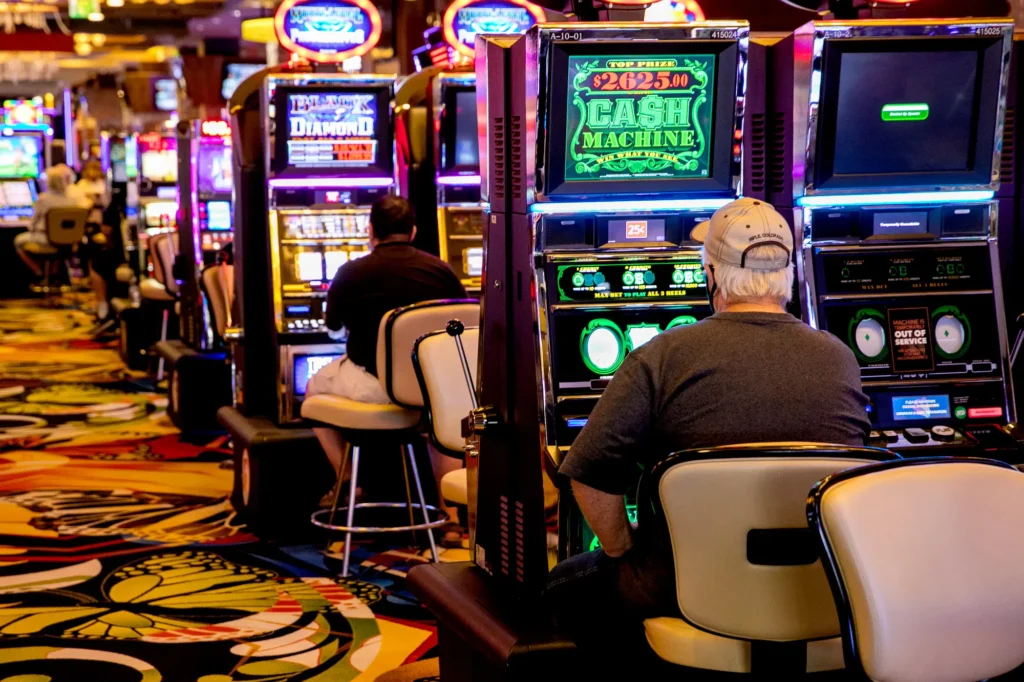
When officers pulled open the safes at premises on London Road in Sheffield, they found piles of cash. The betting machines lining the walls were full too, still loaded with money from customers who had been using them that same week. Gold bars, coins and jewellery were recovered alongside the cash. By the time the operation across Sheffield and Doncaster concluded on 5 August 2026, over £110,000 had been seized, 16 illegal betting terminals confiscated, and three people arrested.
These raids were carried out on the evenings of 4 and 5 August and were part of two simultaneous operations referred to as Duxford and Snaresbrook. They were conducted by the South Yorkshire Police in partnership with the Gambling Commission, Yorkshire and Humber Regional Organised Crime Unit, local authorities and Immigration Enforcement. The premises raided include those situated on London Road in Sheffield and Silver Street in Doncaster.
The Venues Were Not Hidden, They Were Disguised
Chief Superintendent Jamie Henderson made a point that rarely appears in enforcement press releases. These gambling dens, he said, were “hiding in plain sight in venues such as rooms above retail premises, the back rooms of licensed venues and in nightclubs.” Nothing about the exteriors signalled what was operating inside. That concealment is precisely what makes enforcement so difficult, and why, in Henderson’s words, such venues regularly have “organised crime at their roots.”
Ch Insp John Mallows, speaking at the scene, confirmed that the cash recovered from safes and machines had been actively collected from gamblers using the terminals. Every machine, along with its contents, was seized as evidence.
However, Henderson also points out an additional problem caused by gambling in which people have not been widely informed of the effects: debt bondage. People who become involved with this sort of establishment incur debts which they are unable to pay off and, therefore, are used to be forced to keep drugs and guns as a means of paying back what they owe. “Having to store firearms or drugs as a way of repaying what they owed.”
Wednesday Morning: The Operation Expanded
The gambling raids on Tuesday evening were the headline act, but Wednesday’s activity added significant weight. As morning warrants rolled out across Sheffield, officers seized three motorbikes suspected to be stolen from an address in Norton Avenue. At Glover Road, more than 2,200 packs of counterfeit tobacco with an estimated value of £11,000 were recovered. A property on Chesterfield Road yielded 279 mature and sapling cannabis plants. Four further arrests followed.
Inspector Amy Mellor of the South West Neighbourhood Policing Team said the operation had deliberately cast “a much wider net,” targeting the range of criminal activity that communities in the area had flagged as a priority. “Weeks of planning alongside colleagues has allowed us to develop intelligence and crack down on the harmful trade of illegal gambling, which we know can fund other activity linked to organised crime,” she said. “This is not a ‘one-off’, and work to progress investigations and home in on similar offending in our communities will continue.”
Detective Superintendent Al Burns of YHROCU confirmed the unit had recently expanded its Regional Intelligence Team with additional staff, giving it “an enhanced capability to move quickly alongside colleagues from our constituent forces and partner agencies to turn intelligence from the community into action on the streets.” Richard Eyre, Director of Street Scene and Regulations at Sheffield City Council, added that licensing officers used the operation to gather evidence covering gambling regulation, safeguarding, public safety and crime and disorder, as part of the council’s commitment to “taking back the high street.”
A Commission Pressing Forward on Every Front
“Gambling without a licence is not a victimless crime. The unlicensed providers can be associated with criminality more widely and are involved in exploiting the vulnerable and damaging licensed gambling businesses. We hope that this message is clear: those running unlicensed gambling establishments will be targeted and brought to justice, with support from the police and other organisations,” said Sue Young, the Gambling Commission Executive Director of Operations.
This is the third major operation by the Gambling Commission in South Yorkshire in just two months. Two individuals were arrested on 10 July on the premises located in the Bristol, Lower College Street area through the collaborative work of the Gambling Commission, Harbourside Neighbourhood Policing Team and South West Regional Organised Crime Unit. The arrests were made in connection with suspicions of committing offences related to gambling, and both individuals were released on bail awaiting further investigations. Before the arrest in Bristol, an investigation that took place in Manchester on 28 May found several gambling tables, chips, books of accounts and cash. Financial crime and money laundering experts participated in the operation.
A Policy Framework Built for This Moment
The number of such operations carried out is deliberate as per the guidelines set forth by the government of the UK, which provided £26 million to the Gambling Commission in three years for combating illegal gambling. It is currently a member of the DCMS Illegal Gambling Taskforce, led by Baroness Fiona Twycross, where the commission is working alongside other people from the gambling, technology, payments and government sectors in implementing the policy.
Moreover, the pressure put on the Commission increased in late July of 2026 when it released its annual anti-money laundering risk report. In this report, the gambling software industry was classified as one of the industries with medium rather than low money laundering risks because of the threat of licensed gambling software being sold to unlicensed gambling operators. Also, in this report, peer-to-peer gambling, including poker and betting exchanges, was identified as having high exposure to money laundering.
Expert Analysis
The recovery of gold bars from a back-room gambling venue carries a significance beyond the headline figure. Cash circulates; gold stores. Bars, coins and jewellery found at premises in Sheffield and Doncaster suggest the operation had a treasury function, a deliberate accumulation of assets chosen for their portability and near-invisibility to financial monitoring. Whether those assets represent proceeds from gambling alone, or from the wider criminal activity operating alongside it, is something investigators are now pursuing. Three separate enforcement operations across Manchester, Bristol and South Yorkshire in the space of ten weeks, each producing arrests and substantial seizures, point to a coordinated suppression campaign rather than isolated action. The Commission has signalled clearly that this pace will not slow.
 Share
Share


 225 views