






Key Points
- The Coventry casino, opened by Genting in 2012, will have to shut down following management’s conclusion that the site is no longer profitable due to costs in the industry.
- According to Genting’s own projections, a proposed 40% Machine Games Duty would cost Genting £16 million per year, which might make its 13 out of 32 casinos in the UK unviable, putting 850 jobs at risk.
- According to the EY model, quoted by BGC, even with a 40% MGD rate it will result in closure of 34 casinos and around 1,500 betting shops, job losses for nearly sixteen thousand people, and £124 million loss for the government treasury.
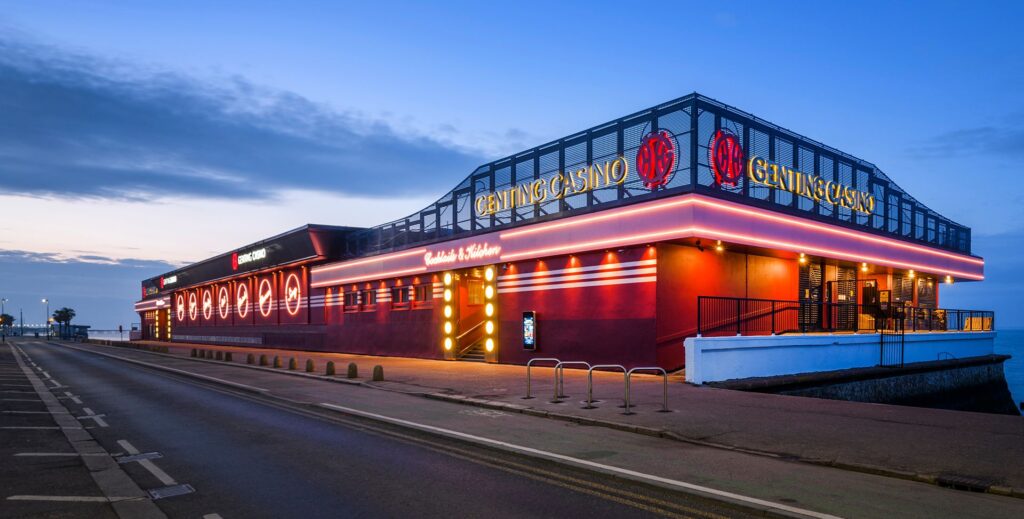
The Genting Coventry casino will soon shut down. Located at Coventry’s Skydome leisure center since 2012 and providing jobs for 51 employees, Genting conducted a full 30 days employee consultation process ending October 2, 2026, after management determined that the casino is not economically viable anymore, regardless of all possible solutions tried by the management.
Increasing costs of labor, business rates, utilities, and spending on regulatory compliance proved the case. However, the news comes at the time when the Autumn Budget will decide whether many other such places in Britain will follow.
The Closure and the Tax Debate Are Two Separate Things
Genting was deliberate in attributing the Coventry decision to existing commercial conditions, not to any proposed future tax change. The company said: “These cumulative pressures have significantly reduced margins across the sector and are making it increasingly difficult for highly regulated venues to remain commercially sustainable. This closure demonstrates the real-world consequences of a business environment in which costs continue to rise.”
The distinction matters more than it might seem. The Machine Games Duty debate has a tendency to fold what has already happened into what could happen if the Budget goes against the sector. The Coventry closure is the confirmed story. The 13-casino scenario is a separate projection.
Genting Warns 13 Casinos Could Become Unviable Under Higher MGD
Paul Willcock, chief executive of Genting Casinos UK, has been precise about the numbers. Speaking to NEXT.io, he said a rise in Machine Games Duty from the current standard rate of 20% to 40% would add roughly £16m to the company’s annual cost base. Genting’s own modelling suggests that would render 13 of its 32 UK casinos unprofitable or unsustainable, placing over 850 venue jobs and 50 support roles at immediate risk.
His core argument, “You can’t tax a casino that has closed,” carries a precise fiscal point. Venues pushed into closure stop paying every tax they currently generate. According to Genting, the company contributed over three quarters of a billion pounds in taxes, duties, and levies between 2016 and 2025. That contribution disappears the day a site shuts.
Supporting that picture across the wider sector, all respondents to the Bacta member survey reported the proposed MGD rise would negatively affect their business, with 90% of respondents rating impact as severe.
The Tax Proposal: What Is Confirmed and What Is Not
The current rates for Machine Games Duty, as established by HMRC, are three rates: the low one of 5%; the middle one of 20% and the high one of 25%. The proposal made by the Social Market Foundation in its report on Category B machines in June 2026 has been to increase the Category B rate to 40%, expecting between £275m and £458m extra revenue for the Treasury.
It has been suggested, however, that the Treasury might be looking at a scenario where all the three rates will be doubled, but as there is no official policy yet, this remains speculation. Daniel Waugh, an industry expert from Regulus Partners, questions the revenue expectation of £458m as it was calculated based on no change in either the operators’ or consumers’ behavior which he considers implausible. John Healey, the Chancellor, presents his first Autumn Budget on October 28.
£200m of Casino Investment Is Now in Question
BGC released a new analysis on October 2, on the same day that Genting announced the closing of Coventry. According to BGC analysis, using the investment plans of four operators, there has been an investment worth of £200m in nationwide casino development since the government introduced modernisation. The doubling of MGD will immediately place over £50m of this pipeline in jeopardy, BGC noted.
The projects that are at direct risk are £8m in Bristol, £5m in Cardiff, and £5m in Bournemouth. The development of the Trocadero in London by Genting worth about £50m, and which is expected to create 350 to 400 permanent jobs and an extra 350 construction jobs, is also part of the at-risk amount.
BGC chief executive Grainne Hurst said: “Further tax hikes would put this £200 million investment drive at risk, with more than £50 million of projects already identified as likely to be cancelled or scaled back if MGD is doubled. That runs completely counter to the Government’s ambition to boost economic growth.”
EY modelling, cited by the BGC, estimates a 40% MGD rate could close up to 34 casinos and nearly 1,500 betting shops, put close to 16,000 jobs at risk, and leave the Treasury up to £124m worse off overall.
Rank Group’s Warning Lands From a Position of Strength
Genting is not the only operator raising this alarm. Rank Group, which runs 47 Grosvenor Casinos and 41 Mecca Bingo venues, issued a parallel warning in August 2026. Chief executive Richard Harris, presenting Rank’s FY2026 results showing like-for-like net gaming revenue of £834.1m for the year ended June 2026, called a potential MGD doubling “nonsensical” and warned it would make roughly a third of Rank’s venues unviable, placing around 2,000 workers at risk.
The warning carries more weight precisely because it does not come from a business in distress. Rank said directly in its results: “Any increase to the rate will further impact venue viability across both Grosvenor and Mecca and will lead to a reduction in tax receipts within 12 months.”
The Illegal Market Nobody’s Modelling
Willcock presented another dimension of this discussion that is often forgotten when considering the duties projection. As reported by Genting to NEXT.io, five gambling sites had been closed down due to being illegal since May 2026 because organised crime has started to take advantage of the room created by the pressure on the regulated market. There are several incidents related to the activity of the Gambling Commission for 2026 where several sites were raided in Manchester, Bristol, Sheffield, and Doncaster. There are arrests made, money and gold have been seized, as well as some illegal gaming machines found on these unlicensed sites.
There were some funds provided to the Commission by the government for its further activity against the illegal market. It was announced in the November 2025 Budget. Willcock’s point, that a smaller regulated market creates more space for unlicensed gambling operations, is projected by Genting as a future risk, but not a proven result of this particular taxation scheme.
Expert Analysis: The Revenue That Disappears When a Casino Closes
We find the central miscalculation in the MGD debate sits not in the proposed rate but in what the projections assume happens next. The SMF’s £275m to £458m estimate is built on the premise that operators absorb a doubled tax and keep operating. Land-based casinos cannot do that. Unlike online platforms, a casino’s revenue is geographically fixed. There is no offshore alternative, no digital restructuring option. Raise the rate far enough and the venue does not become less profitable; it closes, and everything it was paying disappears with it.
That creates a fiscal equation the SMF’s projections have to account for but, in our reading, largely avoids. Genting’s modelling puts 13 of its 32 casinos below viability at 40%. EY, working independently and cited by the BGC, arrives at 34 casino closures across the sector. If those figures are even directionally right, a 40% MGD rate produces less overall revenue than the current 20% rate, because a large portion of the machines being taxed no longer exist.
We would also challenge the methodological ground the SMF’s harm argument stands on. Dan Waugh of Regulus Partners has noted that the £2.33bn social harm figure the SMF relies on is derived from GSGB survey data the Office for Statistics Regulation has explicitly warned against using in this context. If that evidence base is contested, the moral justification for the tax sits on softer ground than the headline projections suggest, which makes the fiscal risk even harder to accept.
October 28 will show whether the Treasury has done the closed-casino arithmetic or simply reached for the rate increase. The sector believes it hasn’t.
Explore more:
 Share
Share


 3 views