






Key Points
- There were 133.3 million votes in favour, which amounts to 65.4%, a sufficient majority in terms of outstanding shares, although all regulatory approval is still needed to finalise the deal.
- The FTC has issued a formal second request on September 14, pushing back the waiting period under the HSR Act by 30 days from the day of certification of substantial compliance.
- JP Morgan analyst Daniel Politzer says the overlapping properties might cause asset sales amounting to $2.3bn, similar to what happened with the 2020 Eldorado deal.
Shareholders Voted – The Hard Part Has Only Just Started
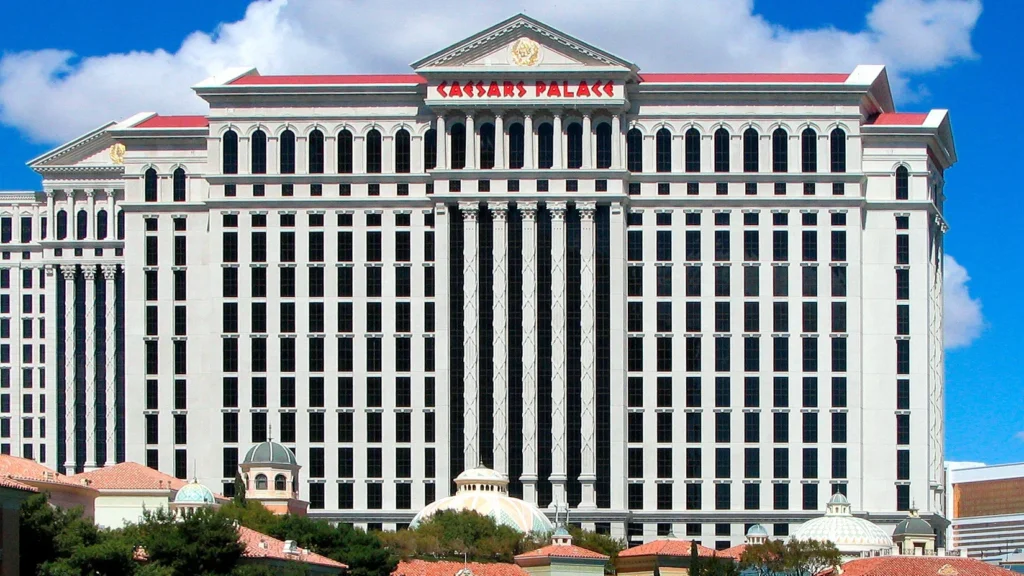
Caesars Entertainment shareholders crossed the first hurdle of Tilman Fertitta’s takeover bid worth $17.6 billion in terms of financial value on September 22, during a special meeting conducted at Eldorado Resort and Casino, Reno. There were 133.3 million votes in favour, 4.3 million votes against, and 5.7 million abstentions out of the total 203.8 million outstanding shares of Caesars, which accounts for roughly 65.4%. In order for the proposal to be approved, it needed the vote from a majority of the outstanding shares, which was 101.9 million votes. This was achieved by quite a large margin. However, in a deal like this one, the shareholder vote is an easy task.
The $17.6bn headline figure tells only part of the story. Fertitta is not cutting a single check for that amount. The equity value sits closer to $5.7bn, with shareholders receiving $31 per share in cash, a 49% premium on Caesars’ closing price before speculation became public in late February. The remaining $11.9bn represents Caesars’ existing debt, which Fertitta Entertainment absorbs as part of the agreement. Ten banks have committed financing, with no financing condition attached.
The FTC Clock Is Running, and the Rules Matter Here
The formal second request from the Federal Trade Commission was made on September 14 for both Caesars and Fertitta Entertainment under the Hart-Scott-Rodino Antitrust Improvements Act. A second request increases the HSR waiting period until 30 days after both the firms have substantially responded to the agency’s requests, rather than until the date when both firms have to respond to the requests. The process of compliance is time-consuming process involving large volumes of documents to be collected and can take place at the speed of the FTC. Caesars general counsel Edmond Quatmann Jr. informed the SEC in an 8-K filing that both parties are willing to cooperate with the FTC. However, the filing does not contain any date for compliance nor any specific issues investigated by the agency.
The same 8-K disclosed something that attracted less attention: two Icahn-backed directors, Jesse Lynn and Ted Papapostolou, resigned from the Caesars board immediately. Both joined in March 2025 under an agreement with activist investor Carl Icahn. Their exit followed Caesars’ decision not to advance Icahn’s competing non-binding offer of $34 per share, which ultimately could not resolve concerns around debt leverage and financing structure. Icahn’s group waived its right to appoint replacement directors.
Six Markets, One Historical Playbook Worth Reading
The structural question hanging over the FTC review has a direct reference point. When Caesars merged with Eldorado Resorts in 2020, the FTC required divestitures in South Lake Tahoe and Bossier City-Shreveport as conditions of clearing the deal. Those were the specific markets where competition concerns were established. Eldorado also sold its Kansas City property separately, independent of the FTC requirement.
The Fertitta-Caesars combination presents a more complex overlap picture. Caesars and Fertitta’s Golden Nugget brand currently compete in six US markets, including Las Vegas, Lake Tahoe, Laughlin, Atlantic City, Biloxi, and Lake Charles. The FTC’s second request does not publicly identify which markets it is examining; that focus remains undisclosed. JP Morgan gaming analyst Daniel Politzer has estimated that potential asset sales tied to divestiture requirements could reach $2.3bn, presenting rare acquisition opportunities for operators with strong balance sheets, such as Boyd Gaming, and private equity firms, similar to how Bally’s benefited from the Eldorado divestitures six years ago.
Nevada Has Already Moved – The Rest Still Have to Follow
State-level regulatory progress has started but is far from finished. The Nevada Gaming Control Board voted unanimously in July 2026 to recommend two senior Fertitta Entertainment executives as suitable for director licences, with the Nevada Gaming Commission subsequently taking up those applications. Fertitta’s own general counsel, Steven Scheinthal, told Nevada regulators the wider gaming approval process across every relevant jurisdiction would take an estimated nine to ten months. That timeline runs well past the agreement’s Initial End Date of May 27, 2027 (automatically extendable to August and then November 2027 if regulatory conditions remain unresolved). June 26, 2027 is not the closing deadline; it is the date after which shareholders begin accruing an incremental daily ticking fee of approximately $0.00715 per share if the deal has not closed by then.
MGM’s Collapse Lands Differently in This Context
While Caesars shareholders gave the nod for Fertitta, People Incorporated dropped its bid worth $18 billion for the remaining shares of MGM Resorts International that it did not already own. With a stake of about 27% in MGM, People Inc., through its bid valued at $48.30 per share, had hoped to take the company private. The company’s chairman, Barry Diller, explained, “It just wasn’t coming together for us in the right ‘mix’ that we had anticipated and therefore we’ve decided not to move forward with going private for the time being.” The chairman of MGM, Paul Salem, on his part viewed the decision as a chance, saying, “With our dominant position in Las Vegas, best-in-class regional resorts and continued success of BetMGM, we continue to create value for our shareholders.”
The two situations differ structurally. People withdrew voluntarily. Fertitta and Caesars remain committed. Yet both cases sit inside the same US casino M&A moment: large private-capital bids meeting serious regulatory and structural friction before reaching completion.
Sports Betting and the Rockets Complication
The one aspect that has not yet received much attention is the Houston Rockets team. Tilman Fertitta is the full owner of the NBA team. Certain states in the United States do not allow sportsbooks to take wagers on games involving sports teams that are owned by the company. Restrictions on any wagering on the Fertitta-Caesars Sportsbook combination in relation to the Rockets will be applied only after the deal is done, depending on the regulations of those states at that time. Currently, Caesars Sportsbook holds around a 5.3% share of US regulated sports betting handle, which ranks it fourth among other sportsbooks including FanDuel, DraftKings, and BetMGM in March 2026 based on data from Casino Reports.
Expert Analysis: A Shareholder Vote Is Not a Conclusion
We have watched enough major gaming acquisitions to know when a shareholder result is being read as a finish line rather than a starting gate. The 65.4% approval figure is clean and clear. What follows is not. The FTC’s second request is procedurally significant, and the six-market overlap between Golden Nugget and Caesars properties is wide enough to make the 2020 Eldorado divestitures look modest by comparison. What concerns us most is the conflation of analyst projections with regulatory certainty. Daniel Politzer’s $2.3bn divestiture estimate is smart, informed analysis; it is not an FTC ruling. The distinction matters enormously for how investors, operators, and potential buyers of any divested properties should be positioning themselves right now. Fertitta’s concurrent Wynn Resorts stake, which his counsel described to Nevada regulators as passive, adds a layer of cross-ownership complexity that gaming regulators historically scrutinise in Nevada. The deal may close, and may close largely intact. But framing the shareholder vote as a near-done deal misreads what still stands between here and a completed transaction.
Explore more:
 Share
Share


 10 views