Key Points
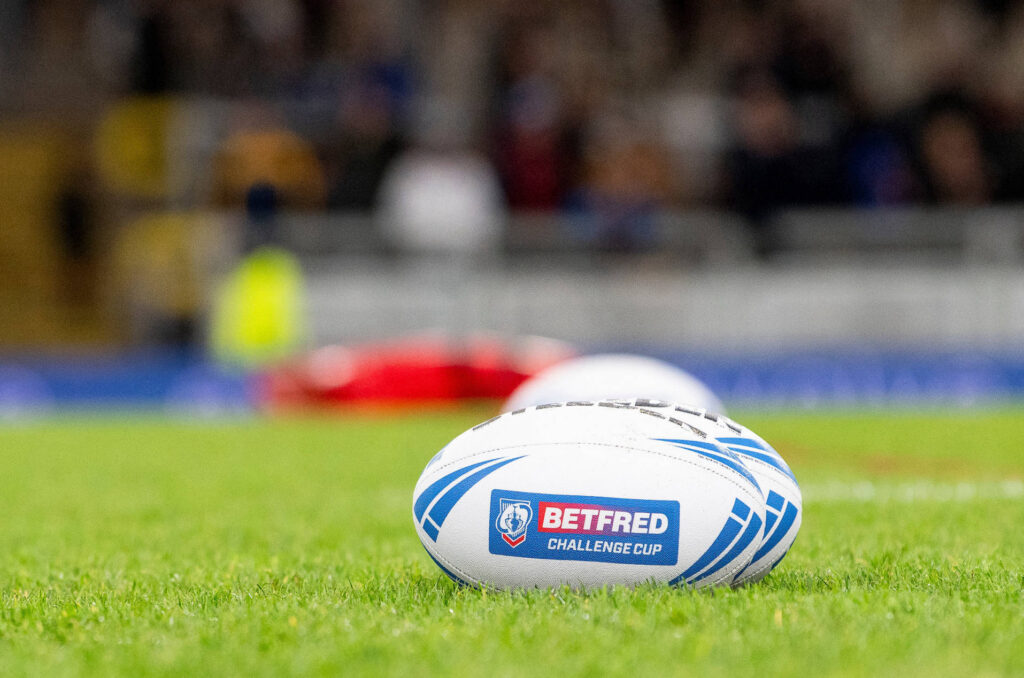
- The sponsorships by Betfred of the Super League, Challenge Cup, and England Rugby League expire in 2026 after being entered into in 2017.
- The duty on remote gaming increased from 21% to 40% in April 2026; an additional remote gaming duty of 25% will be levied in April 2027.
- The Rugby Football League says it has made “big steps toward securing new partners,” but no replacement title sponsor has been confirmed.
Three years ago, Betfred signed what both parties called a record-breaking three-year renewal with the Super League, 25% above the previous record deal and the largest the sport had ever agreed. Fred Done described rugby league as “one of our most enjoyable as well as successful sponsorships.” Now that same contract is the last one. On 19 September, RL Commercial confirmed that Betfred’s title partnerships across the Super League, the Challenge Cup and England Rugby League will all conclude at the end of the 2026 season. Done said it was a decision taken “with a very heavy heart,” pointing directly at a Budget he described as “extremely disappointing.”
The Tax Changes That Broke the Maths
The UK government’s Autumn Budget 2025 introduced the most far-reaching changes to gambling taxation in recent years. Remote gaming duty rose from 21% to 40% from 1 April 2026, applied to profits from online casino games and slots. From 1 April 2027, a new rate of 25% within general betting duty will apply to remote sports betting, excluding UK horseracing, pool betting, spread betting and self-service betting terminals. Chancellor Rachel Reeves confirmed the reforms would raise over £1 billion per year by 2031. The OBR separately estimated the changes would generate £1.1 billion by 2029-30, while also projecting that operators would pass around 90% of the duty increases to consumers through reduced payouts and worse odds, cutting the net yield from the measure by £0.5 billion over the same period.
Done’s statement connected these figures to his own business in plain terms. “Regrettably, following last year’s extremely disappointing Budget, and the ensuing combination of tax rises and wage inflation that led directly to the 132 shop closures we announced in July, it has been necessary to review all Betfred spending,” he said. “In that context, it is with a very heavy heart that we have taken the decision not to extend our support for Rugby League.”
Shop Closures First, Sponsorship Exit Second
The news of the partnership was not a standalone announcement. Betfred stated in July 2026 that it will shut down 132 bookmakers’ shops in the UK, representing about 10% of its retail estate, with nearly 600 employees being made redundant. The Chief Executive Officer, Joanne Whittaker, described the closure as done with “deep regret” for being due to a combination of rising gambling tax rates and the rise of employers’ national insurance contributions.
Done had flagged this kind of outcome well before the closures landed. He warned previously that a significant machine games duty increase could force him to close up to 495 shops, remove 2,475 jobs and strip £15.8 million in annual payments to horseracing; his own modelled figures, not independently audited. The machine games duty increase did not materialise in the Budget, but the remote gaming duty change arrived at double the previous rate, and the retail consequences followed regardless.
Rugby League Is Searching, With Confidence but No Name Yet
The official RL Commercial statement, dated 19 September, was warm but unsurprisingly forward-looking. Rhodri Jones, interim RFL CEO and RL Commercial Managing Director, called Betfred “an outstanding partner across rugby league for nearly a decade” and confirmed the organisation has made “big steps toward securing new partners.” No replacement title sponsor has been named.
Done’s closing words in the same statement carried a different register: “I’ve always described Rugby League people as family, and I sincerely hope that this wonderful sport will continue to thrive.” The sport has genuine commercial momentum, with the 2026 Super League season delivering record attendances across its competitions. Finding a replacement title sponsor after a record season is not impossible; doing it while the industry is cutting rather than committing is a different task entirely.
Betfred Is One Piece of a Wider Retreat
Done has further noted that the horseracing sponsorships of Betfred could also go through the same process if conditions become even worse. Betfred is not an exception since others have also reduced their support. Evoke, which owns William Hill, shut down about 270 betting shops during 2026 due to a review of the same tax issue. Entain, which owns Ladbrokes and Coral, has also mentioned possible future reductions and that the Cheltenham Festival sponsorship of Coral will be stopped for the reason of directing money spending on business operations. There is no coincidence since April 2026 was when the remote gaming duty increased by 10 per cent for all companies.
Expert Analysis
It is important to know what evidence tells us because the context in which this narrative is framed is significant. Fred Done has taken the Budget to be the cause of this sponsorship termination, and the chronology proves him right. Betfred renewed its sponsorship contract of the rugby league in October 2023 in great joy, on unprecedented terms. The Autumn Budget 2025 came, there was an increase in taxation in April 2026, the stores shut down in July, and the sponsorship expired in September.
What we find worth interrogating is the broader policy logic. The government confirmed that the duty reforms are expected to raise over £1 billion per year by 2031 and explicitly noted that operators would pass around 90% of the increases to consumers. That was a deliberate design feature, not a side effect. Policymakers knew costs would be transmitted, betting shops would come under pressure and some would close. What appears to have been less considered is the secondary knock-on to sports bodies that had built long-term commercial agreements on the assumption that major bookmakers would keep spending. Rugby league’s title sponsorship was not a transactional arrangement; it was a decade-long brand alignment, widened to cover wheelchair sport and all three England national teams. No government impact assessment appears to have addressed what happens to those agreements when the economics shift.
The next title sponsor for the Super League will negotiate in a market where remote gaming duty has already doubled, a further remote betting duty hike is still incoming in April 2027, and operators across the sector are in active cost-reduction mode. Whether the sport fills that commercial gap quickly or not, the conditions it is filling it under are structurally different from the ones that produced the Betfred deal. That is the story underneath the farewell statements.
Explore more:
 Share
Share


 3 views