






Key Points
- Gamblers can spend anywhere from $800 million to $1 billion on betting advertisements in 2027 as compared to approximately $350 million currently.
- As estimated by Rubin, Fanatics accounts for around 10 per cent market share in the United States, which is far behind DraftKings and FanDuel.
- NFL partnership, FanCash bonuses and debt-free capital structure make Fanatics a force to be reckoned with, but history tells us that money is not enough.
Fanatics Could Spend Up to $1 Billion on Betting Ads in 2027. Can It Catch DraftKings and FanDuel?
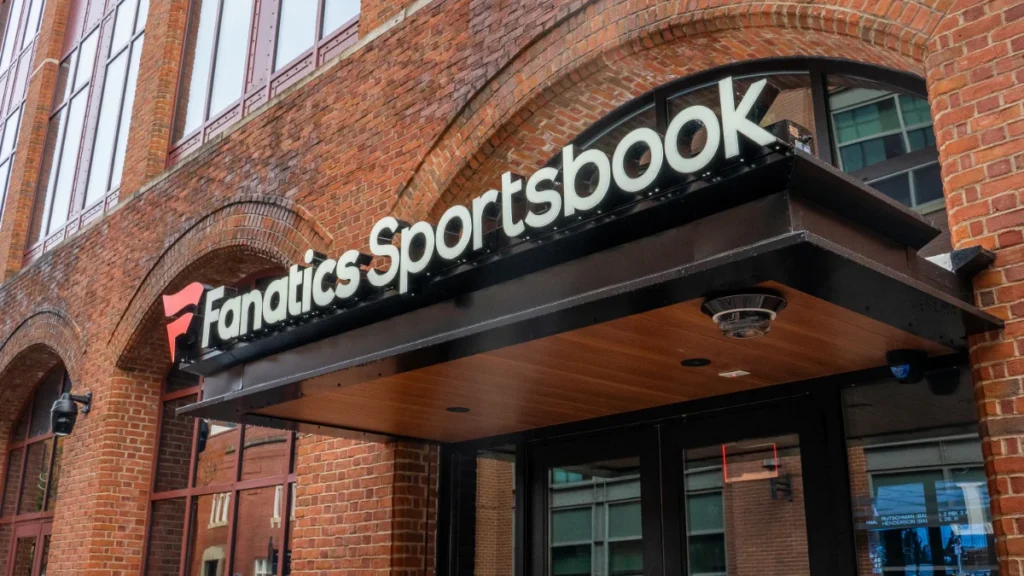
How much would you be willing to pay in order to go from third position to number one? Michael Rubin has now put a price tag on the move that could cost him as much as $1 billion. The Fanatics CEO told Bloomberg that his company might be willing to spend up to $1 billion on sportsbook advertising in 2027. This represents almost three times what the company plans to spend this year, which is estimated at $350 million.
A Range, Not a Promise
While the headline numbers included the billion dollar number, Rubin actually put a range on this estimate. He estimated Fanatics could be investing either $800 million or $1 billion in its betting and gaming business next year. Either number would be nearly double its current budget for the year and even up to 2.3 times at the top end.
He did admit that the company is spending much more than it had originally intended, even just months ago. Rubin was not afraid of saying how he saw the betting business – calling it “a distant No. 3.”
How Big Is the Gap?
Rubin says that Fanatics currently holds around 10 per cent of the sports betting market in the US. This is an estimate provided by Rubin and not an industry measure but it illustrates just how much still needs to be done. DraftKings and FanDuel continue dominating the market as they have been doing for years through their brand trust and customer database. Growing market share has also become more difficult than a few years back according to Rubin, who highlighted examples such as New York, New Jersey, and Pennsylvania – mature markets in which there will not be much left to pick in the coming time. The last big states which will offer opportunity will soon start operations.
Where Does the Money Come From?
Fanatics can call it their investment, as this large number earns them good money. In the Bloomberg interview, Rubin predicted revenues of around $14 billion for 2026, out of which $2 billion will be earned through betting and games. Fanatics’ own page of Michael Rubin predicts an income of around $13 billion for 2026. The $14 billion should be considered as Rubin’s prediction and not the outcome.
For the entire organisation, Bloomberg estimated $2 billion in free cash flow expectations for this year. On the other hand, Fanatics is not in any debt and also possesses $1 billion in net cash. With a total of $1 billion on advertising, it means the amount will take up half of its cash flow expectations.
Private ownership gives Rubin extra freedom. Unlike DraftKings, or FanDuel’s parent Flutter, Fanatics does not report quarterly results to public shareholders. That freedom has a cost for readers, though, because the sportsbook’s full financial picture stays private. Earlier this year, reporting on Fanatics’ New York expansion noted the betting business had only operated at a loss so far.
The NFL Deal Explains the Timing
Why all the urgency for 2027? One part of the answer came in August, as Fanatics signed a multi-year, non-exclusive partnership deal as a betting operator in the NFL. The deal provides access for Fanatics to NFL media inventory, including in-game advertising and hospitality at the Super Bowl and NFL Draft. The size of that stage matters. The American Gaming Association recorded $29.4 billion in legal NFL handle during the 2025 season. The same report expects flat growth this season, partly because prediction markets are pulling activity away from regulated sportsbooks.
FanCash Is Fanatics’ Different Card
While advertising gets customers through the door, Rubin feels that the rewards system keeps them there. Each time a customer wagers at Fanatics, they earn FanCash regardless of whether or not they win. The customers can use it on things like jerseys, trading cards, and tickets, even for purchasing items from Lids stores. This idea is not new. Fanatics has been trying to turn shoppers into bettors since it launched its first sportsbook apps in 2023. Three years later, the strategy has delivered a solid foothold, though not yet a breakthrough.
Prediction Markets Add a New Front
Rubin is no longer fighting only two sportsbooks. Kalshi and Polymarket have drawn sports fans into event contracts, which adds pressure on every regulated operator. Fanatics launched Fanatics Markets last December, and in July it agreed to acquire Water Street Labs and CX Clearinghouse from BGC Group. Once completed, the deal would let Fanatics list and clear prediction contracts on its own regulated exchange. The legal ground under these products is still moving. In August, the Ninth Circuit’s Nevada ruling found Kalshi had not shown that federal law likely overrides Nevada’s gaming rules for sports contracts. Earlier in the year, the Third Circuit reached the opposite result in a New Jersey case. That split could eventually send the question to the Supreme Court.
Bigger Budgets Bring Bigger Responsibilities
More marketing also raises the stakes for player protection. Colorado regulators fined Fanatics $20,000 after a VIP team member twice sent promotions to a self-excluded bettor. Fanatics admitted the violation and agreed to audit its self-exclusion list for marketing texts sent from January 2024. This was one case in one state, not proof of a wider pattern. Even so, regulators will watch closely as Fanatics scales up its marketing.
Expert Analysis: A Billion Dollars Buys Attention, Not Loyalty
We think Rubin is right to be ambitious, but we believe he is leaning on the weaker lever. American betting history shows that big budgets do not guarantee survival. Super Group closed Betway’s US business despite holding licences in nine states. 888 agreed to pay $50 million to end its SI Sportsbook partnership, citing intense competition from well-funded rivals. Fanatics is far better funded than either company, and we accept that difference matters. Our concern is that advertising mostly rents attention, while loyalty decides who stays. In our view, FanCash is Rubin’s most dangerous weapon, not television airtime. If he moved more of that budget into rewards and product quality, we believe each dollar would work harder.
We also question the timing. The Colorado breach happened inside Fanatics’ own VIP operation this year. A company chasing first place should show its safeguards can grow as fast as its marketing. So here is our challenge to readers. Do not judge this plan by how often you see Fanatics adverts next season. Judge it by market share at the end of 2027. If Fanatics is still near 10 per cent, this could become one of the most expensive lessons in American betting.
Explore more:
 Share
Share


 3 views