Key Points
- Revenue plummeted 7% to £406m, a 2% drop for like-for-like at constant currency, excluding the 270 or so shops that vanished.
- The boss of Evoke is blaming higher taxes; the company’s own figures also point to a weak retail profit and massive debt.
- The 28 October Budget could up the Machine Games Duty, and industry think tanks can’t quite agree on what might happen.
Evoke Shut 270 Shops, But the Boss is Pointing the Finger at Tax
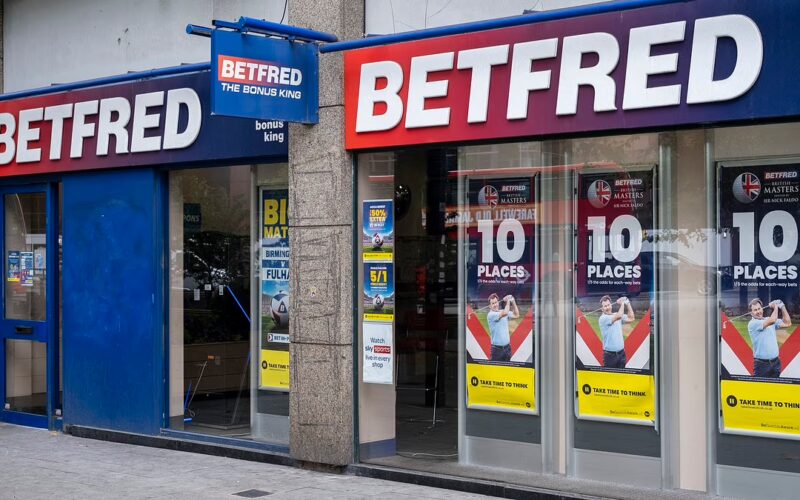
Evoke saw around 270 betting shops close up shop in just a year, but the CEO, Per Widerström, is putting all the blame on taxation for Evoke’s third-quarter revenue falling 7% to £406m.
But, there’s a second number that might change the way you see things. Revenue actually fell by only 2% like-for-like at constant currency, excluding the shops that closed. So which number is the real story, and what will the 28 October Budget mean for the shops that are still up and running?
Two Numbers that Tell Two Different Stories
The football season threw a bit of a curveball to the quarter. The fact that customers were getting a good result at the start of the 2026-27 season probably cost the company around one to two percentage points of growth. Evoke reckons revenue is broadly stable when you take that into account, on a normalised basis, that is. But the update is unaudited and doesn’t have any profit or cash figures.
Widerström claims that the closures show “just what a hammerblow higher industry taxation is to jobs and livelihoods.” He’s calling on the government to be very careful about any further increases before the Autumn Budget. It’s worth noting, though, that Evoke told us that they don’t have any plans to shut any more shops, though that all depends on what happens with the Budget.
The shop estate was already getting smaller before this quarter started. In the first half, retail revenue was down by 2.6% to £245.6m. But excluding the closed shops, it actually went up by 4% on a like-for-like basis. So it’s not that the shops that stayed open are doing any worse, it’s just that there are fewer of them.
The tax argument is a bit tough to swallow, because the update doesn’t tell us how much profit is coming from shops versus online. So we don’t get a clear picture of whether closing down some of the weaker shops actually did improve the bottom line, not yet, anyway.
What Evoke’s Own Accounts are Saying About Their Shops?
The full year results are a bit more illuminating than the Q3 update. Evoke reckoned that about 270 shops were no longer viable after reviewing their estate. Retail adjusted EBITDA, that’s earnings before interest, taxes, depreciation and amortisation, for those who don’t know, fell by a whopping 17% to £55.0m in 2025. The management note that high fixed costs are a real problem, they’ve got negative operating leverage.
Impairments of £440.3m, which includes £169.5m on the retail side, really put the 2025 loss after tax at £549.1m, up from £220.9m the year before. Loss before tax was even higher, at £579.6m, so these write-downs are just the tip of the iceberg. Yeah, they’re largely non-cash, but they show just how far the business has been written down.
The Duty Bill and the Closure Count
The tax amendments originated in the Budget of 26 November 2025. The Remote Gaming Duty went from 21% to 40% starting on 1 April 2026. In addition, there will be a new 25% remote betting duty starting on 1 April 2027; however, remote bets on UK horse racing still pay only 15%. Bingo Duty was scrapped, and Machine Games Duty remains unchanged.
In an initial estimate, Evoke calculated the additional yearly burden of the new duty at £125m to £135m before mitigation, of which about £80m would occur in 2026. The current forecast of the company is somewhat lower than that estimate. Evoke intends to mitigate approximately half of it in the first full year of duty increases, partly through shop closures.
The closures occurred in two separate batches over six months. Evoke closed around 70 shops in the fourth quarter of 2025. In March 2026, it announced 200 additional closures, with the closure date set at 24 May. Combined, they constitute the 270 shops that Widerström is talking about.
Debt and a Takeover on a Timer
Debt forms a second source of pressure behind any decision in retailing. Two significant uncertainties regarding the going-concern assumption are mentioned in Evoke’s financials. The gross borrowings are close to £1.8bn, of which £769m must be repaid in July 2028 and a £200m credit line expires in January 2028.
Evoke announced the strategic review on 10 December 2025, two weeks after the Budget. The company dropped its target of reducing leverage below 3.5x by 2027. Forward guidance was not provided while the strategic review took place.
Bally’s Intralot offered five proposals, starting from 32p and reaching 52p per share. The terms of the June all-share offer include 0.537 Intralot shares for each Evoke share, with the deal worth £243.1m. Shareholders can opt for the capped cash option of 52p per share. As of Friday, Evoke shares traded close to 42p, making it an exchangeable paper offer depending on Intralot’s share price.
Both sets of shareholders approved the required resolutions. All the regulatory approvals have been received except one. At the court meeting in August, 30 out of 31 present scheme shareholders voted for the deal. These shareholders accounted for 99.91% of all scheme shares voted. The completion is expected to take place in late Q4 2026 or early Q1 2027.
Gaming Machines Will Get Their Moment in the Sun During Budget Week
Autumn Budget is coming on 28 October and Machine Games Duty is going to be the hot topic. As reported by The Times, gambling tax increases are “definitely back on the agenda”, as per a government source. Not much is known yet, and the Treasury has not disclosed its plans yet.
Social Market Foundation, a policy think tank, suggests doubling duty on Category B machines to 40%, which, based on its calculations, may generate £275m-£458m in extra income. Category B machines cannot operate in pubs, thus leaving betting shops, arcades and casinos vulnerable.
Industry sees things quite differently though. The letter from the Betting and Gaming Council, citing the results of analysis by EY, claims that doubling duty might result in closing 690 to 1,470 more shops and lead to a net Exchequer loss of up to £124m. Entain, Flutter UK&I, bet365, Bally’s Corporation, Betfred and Evoke are signatories to the letter. More than 600 closed shops and 10,250 jobs lost or offered redundancies are cited in it.
Expert Analysis: Tax Is Not the Only Villain?
While we believe Evoke’s tax argument is genuine enough, its accounts show that it is an incomplete story. The tax-related impact hit the online business first in the form of the Remote Gaming Duty increase. Shops were also impacted by fixed costs, the 17% drop in retail adjusted EBITDA and the retail write-off. The Q3 quote blames tax issues only, and does not mention anything else. We would like to know why the message sent to the Chancellor ignores everything else.
The debt issue goes in parallel with the tax argument, and should be taken into account equally seriously. The £769m due in July 2028 makes each pound important. However, we cannot claim that debt played a role in any closure. Similarly to the previous figures, Social Market Foundation and EY cannot both be right. In one scenario the Treasury gets £458m extra. In the other – there might be a net loss. Both numbers are modelled estimates, and neither settles the argument.
In our view, raising the duty on gaming machines would be a good way to check how genuine the no-closure promise was. We will find out on Wednesday.
Explore more:
 Share


 4 views