Key Points
- Despite shops still pulling in 55% of the turnover, online is chipping away with a fifth increase on last year, relatively speaking.
- Put together, a £30.1m dividend and a £60m untouched credit line alongside plans to mothball 132 shops paints a complicated picture.
- The 40% Remote Gaming Duty may not be reflected in these numbers yet, as it kicked in after the accounting period ended.
Betfred Almost Hits £1bn, But The Figures Tell A Different Story
Betfred was just shy of breaking the £1bn barrier, but the numbers paint a more nuanced picture before you even get to the headline figures. The company’s accounts, filed back on 9th October, show £995.6m in turnover and a pre-tax profit of £64m for the year that ended 29 March 2026.
Once you’ve taken into account a £24.4m tax bill, the profit for the period is £39.6m. On paper, that’s a pretty sharp decline from last time’s £188.7m pre-tax profit. The reason for that drop is a bit more subtle, though. The old year-end ran for 78 weeks, which doesn’t make for a straightforward year-on-year comparison.
The directors would actually like you to treat the two years as not being directly comparable. Which is fair, given the massive difference in length.
High Street Still The Big Earner, But Online’s Catching Up Fast
In the 52 weeks to March this year, retail raked in £544m against £451.7m online, which put high street shops on roughly 55% of the total business. Last year they actually had a bigger slice, around 61%, with £894.8m from high street and £563.6m online. If you bring your old numbers down to 52 weeks, online has grown by about 20%, while high street’s dropped by nearly 9%.
Scaling those figures down also shows that online sales rose by £23.3m, which just so happens to match Betfred’s reported like-for-like growth. The company reckons it made gains by piling on the online marketing spend, which brought in new customers and helped take market share, though it also pushed up the costs of admin.
Behind all that is the Betfred-owned online platform, which has been chugging away since they launched it in December 2023, and has come with a whopping £110.4m of development costs. Betfred’s has been building up a presence online for years, last year, it was £331m in online sales against £577m from high street, about 36% of the total.
The Levy And The Duties, Just Hanging Around
Before you even get to gross profit, Betfred’s laid out a whacking £276m in duties, largely from Betting Duty (£147.4m), Machine Games Duty (£54.5m), Statutory Betting Levy (£18.6m) and Commissions (£55.1m).
That all leaves a gross profit of £720m. And, just to put the icing on it, there’s that £7.1m in exceptional costs. Which happens to be a bit more than the £4.6m that came from some acquisitions that never quite made it off the ground.
And then there’s wages, or, rather, rising wages. Even though they reduced their workforce from 9,622 to 9,463 average staff members, the employee costs went up by £19.2m. Overwhelmingly that was the result of Minimum Wage Rises, as well as employers’ National Insurance, which both weighed on the books.
As for Abroad, it’s finally time to say goodbye. Betfred (or more accurately their US arm) stopped trading in the last remaining US state, on top of having pulled out of nine others in earlier years.
The Fine Print That Wasn’t In The Headlines
At period end, cash rose to £127.1m from £76.5m and there was no drawdown against a £60m revolving credit facility. During the period, Betfred paid out a £30.1m interim dividend to the parent company’s shareholders.
There were changes in ownership. In March 2026, Arkle 1967 Midco Limited, registered in Jersey, took over 65.19% of Betfred Group Holdings. The Done family retains ultimate control.
But the truly eye-opening statement lies in the Directors’ Going Concern evaluation:
“The effect of increases in gaming tax from April 2026 and sport betting tax from April 2027 has been considered in forecasting. In all downside scenarios the Group is within covenant parameters and has cash available to meet liabilities as they fall due.”
New Gambling Duties Apply Post-Accounting Period
The figures here refer to trading pre-new gambling duties for the UK. From 1 April 2026, Remote Gaming Duty has increased to 40% from 21% on the profits made through remote gaming such as online slots and casino games.
From 1 April 2027, General Betting Duty will become payable at 25% on remote bets. Remote bets on horse races in the UK, shop terminal betting, pool betting and spread betting will be exempt from this duty, whereas in-shop betting will remain at 15%.
The published figures for Betfred don’t separate online revenue into gaming or betting products. The exact amount owed by the company depends on the product mix. But both products are now taxed at a higher rate than previously.
This same HMRC document notes that consumers might experience the change through increased odds and reduced returns. They might gamble less frequently, or even seek services from the illegal operators.
Shopping And Sponsorship Feel The Pressure
There is yet another source of worry for the retail industry. According to Fred Done, doubling the gaming machines duty will force Betfred to close 495 shops, with none on the high street expected to remain by 2030.
The sport of Rugby league has already been hit by reduced expenses. Betfred has ended its long-standing sponsorship deal for the sport’s leading competitions following a cost review due to rising taxes and wage inflation.
However, the reduction in shops started even before the most recent budget. In 2019, Betfred operated 1,578 shops; as of September 2022, the number was 1,419, having closed 51 stores during the period.
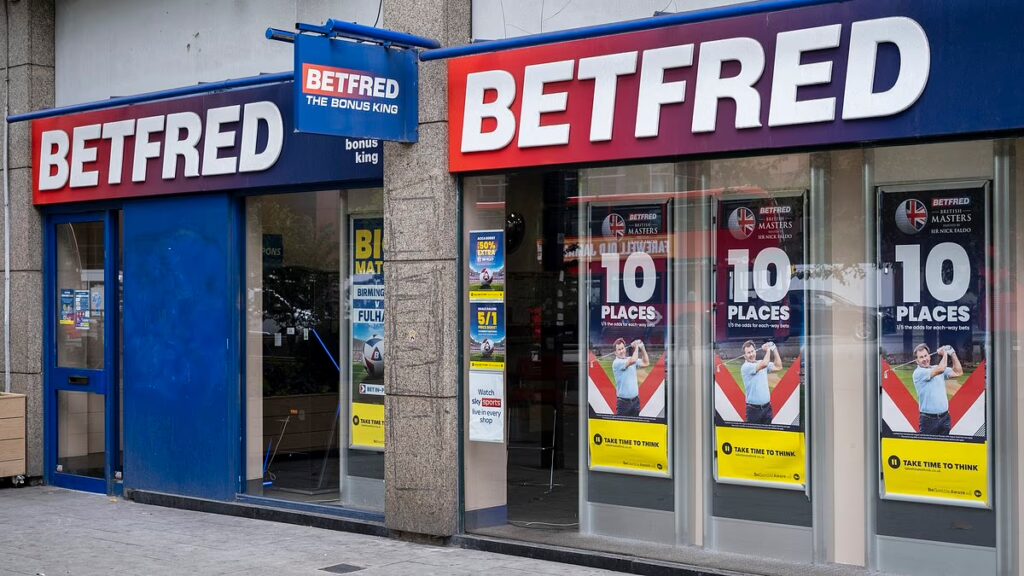
By the end of March 2026, there were 1,293 licensed betting offices compared to 1,351. On 31 July, Betfred announced the intention to close 132 UK shops, with roughly 600 employees expected to be laid off following consultations.
Joanne Whittaker, the chief executive, clarified that the closure decision had several reasons. “We have done everything possible to save all our sites and the colleagues working in them, but the combined effect of the increase in employer National Insurance, wage inflation, gambling taxes and uncertainty in the economy has made our decision inevitable,” she said.
Expert Insight: The Same Business, Two Vastly Different Messages
To the general public, Betfred talks in terms of survival. Done predicted that all 1,287 shops would have to close in October 2025; in this month, he forecasted the closure of 495 shops.
In front of lenders and auditors, the company’s message sounds much different. The directors claim that covenants are still valid in all negative scenarios, cash increased by more than £50m, and there will be no impact on the credit line.
We do not believe that both statements are equally valid. The £30.1m payout to the shareholders, in the year 600 people risked their jobs, made Betfred’s claims about the impossibility of saving the shops less credible.
However, fairness must be considered as well. Whittaker identified four reasons, not just the taxes, and our own straight-line estimate suggests the fall in pre-tax profit by roughly 50%.
Our interpretation may be disputed: Betfred is downsizing its shops, rather than defending each of them. Online is the place for development and growth, while the high street is becoming a legacy business.
Explore more:
 Share
Share


 7 views