

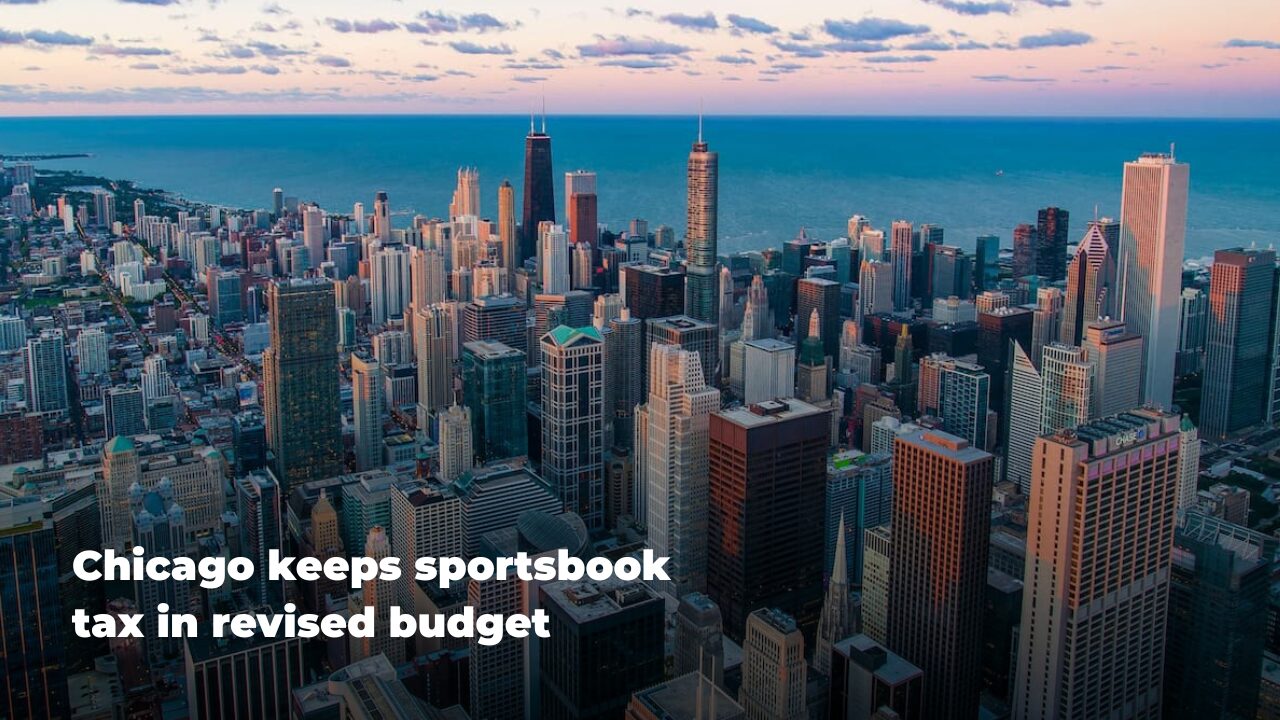
Chicago officials are moving forward with plans to tax sports betting operators, even as some Illinois lawmakers try to block cities from setting their own gambling taxes. A revised city budget filed last week still includes a 10.25 percent tax on sportsbook operators within Chicago, keeping the plan in place.
The decision comes as the city faces financial challenges. Chicago has a $1.2 billion budget deficit, forcing officials to find new sources of revenue. Sports betting has become one option, though there are concerns that higher taxes could hurt the legal gambling market.
Alderpeople back mayor’s proposal
The revised budget was filed by 27 of Chicago’s 50 alderpeople and keeps the 10.25 percent sports betting tax first proposed by Mayor Brandon Johnson earlier this fall. Johnson’s plan marked a clear move to use gambling revenue to help stabilize the city’s finances.
Supporters of the tax say sportsbook operators benefit from one of the largest sports markets in the U.S. and should pay more to support local services. They point out that the tax targets businesses, not residents, and could ease pressure on other parts of the budget. With the city still facing a large deficit, leaders seem unwilling to remove the measure.
State lawmakers push back
While Chicago pushes ahead, some Illinois lawmakers are trying to stop cities from setting their own sports betting taxes. They argue that local taxes could create inconsistent rules across the state and make it harder for operators to plan and invest.
The debate highlights a bigger tension between state control and local needs. Illinois regulates sports betting at the state level, but cities like Chicago face their own financial challenges. Whether the state intervenes could decide how much power cities have to tax gambling in the future.
Warnings over long-term impact
Some lawmakers have raised concerns about the sports betting tax, focusing on the long-term health of the industry. One critic linked the issue to broader budget pressures and spending legislation President Donald Trump signed earlier this year, warning that raising taxes could harm the industry.
She described higher taxes as a short-term view that may hurt the industry instead of improving public finances. Speaking on the issue, Gordon-Booth said, “[Lawmakers] need to understand, what you think you’re going to get from raising taxes, you’re not going to get.”
She also said the financial pressures driving these decisions are unlikely to go away soon. “We want this industry to continue to strike the right balance,” she said. She further stated that “This will be a problem in budgets for the foreseeable few years in budgets. I don’t want to see us continue to deteriorate the industry.” Chicago’s proposed sportsbook tax highlights the tension between short-term budget needs and the long-term stability of the growing market.
Explore more:
 Share
Share


 326 views








 Analysis
  Business
  Companies
  Crime
Crime  Finance
  M&A
M&A  Prediction Markets
  Regulation
  Reports