






Key Points
- At 70, John Boyle appears to be drawing the curtain on a career that reshaped Irish betting. Reports indicate BoyleSports is actively exploring a sale; a deal that would hand over close to 390 high-street shops across the UK and Ireland, alongside the company’s online gaming operation.
- The pressure has been building quietly for a while. Ireland is overhauling how it regulates online gaming, and Britain has lifted its online casino tax to 40% of gross gaming revenue, a figure that makes it hard to breathe, let alone expand. Remarkably, this follows the company’s own announcement of a £100 million UK growth strategy just last year.
- FDJ United and Betfred have reportedly entered the conversation as names worth watching. Still, a clean transaction is far from guaranteed. Differing views on the company’s value, the weight of maintaining a large retail network, and general uncertainty across the sector all add friction to what could be a very complicated negotiation.
The switch from expansion mode to exit talks has been a shockingly short one, coming about in a matter of months. This rapid change has got everyone in the gambling industry scratching their heads in bewilderment. No one saw the possibility of a BoyleSports sale cropping up so early in the year. But with taxes piling up, regulators cracking down & big-name betting operators now reportedly in the picture, this story could end up rewriting the rules of European gambling altogether.
A Known Irish Betting Brand Quietly Tests the Waters
BoyleSports, Ireland’s largest private bookmaker, is reportedly seeking buyers and has already circulated details to potential acquirers, according to multiple industry sources. The potential transaction includes approximately 390 betting shops across Ireland and the UK, along with the company’s online betting and gaming operations.
That combination carries more weight than it once did.
Europe’s gambling industry has shifted. Buying a chain of betting shops is no longer enough, because the companies writing the big cheques now want something more complete. They want an operator that already holds a street-level customer base and a working digital platform under one roof. Building that combination separately means years of licensing queues, heavy marketing spends, and a compliance process that rarely moves quickly.
BoyleSports walks into this moment with the groundwork already laid. The shops on Irish high streets aren’t going anywhere, and behind them sits a digital operation that makes the whole package worth a serious look. Regulated online gambling isn’t a future bet anymore; it’s where the real money is moving. Every week that passes, the conversations around a potential sale keep going, and the rest of the industry is watching Ireland’s regulatory picture shift in real time.
Ireland’s Gambling Regulatory Authority is working through a stack of licensing applications right now as the country builds its iGaming framework from the ground up. Once that structure locks into place, the operators who already carry name recognition in Ireland won’t need to fight as hard for customers. Across every regulated market, the cost of winning a new customer keeps going up, and a familiar brand cuts through that problem in a way money alone can’t always solve.
None of this is happening in isolation, and the timing of the reported talks makes that clear.
Retirement Pressure Meets the Weight of Regulation
The question of who leads BoyleSports is woven into what’s being reported.
John Boyle, the man who built this company, turned 70 and left the CEO chair back in 2017, moving across to the chairman role. But sources say it didn’t quite work out as a clean exit. When the business ran into periods of instability at the top, Boyle stepped back in, his semi-retirement becoming something harder to define as the company needed steadying.
Several chief executives moved through the business after that transition.
His son-in-law, Conor Gray, was replaced in 2021 by former UK Tote managing director Mark Kemp. After Kemp departed to lead the DAZN betting operation, BoyleSports reportedly spent several months without a permanent CEO.
Eventually, former William Hill executive Vlad Kaltenieks took the leadership role in 2023 and continues to run the company.
Industry insiders reportedly believe the business “is in a better place now,” although operational stability alone does not remove the pressure currently facing mid-sized bookmakers. Pressure has grown further as governments across Europe increase gambling taxes while tightening compliance expectations at the same time.
The £100m Expansion Plan Now Faces a Harder Road
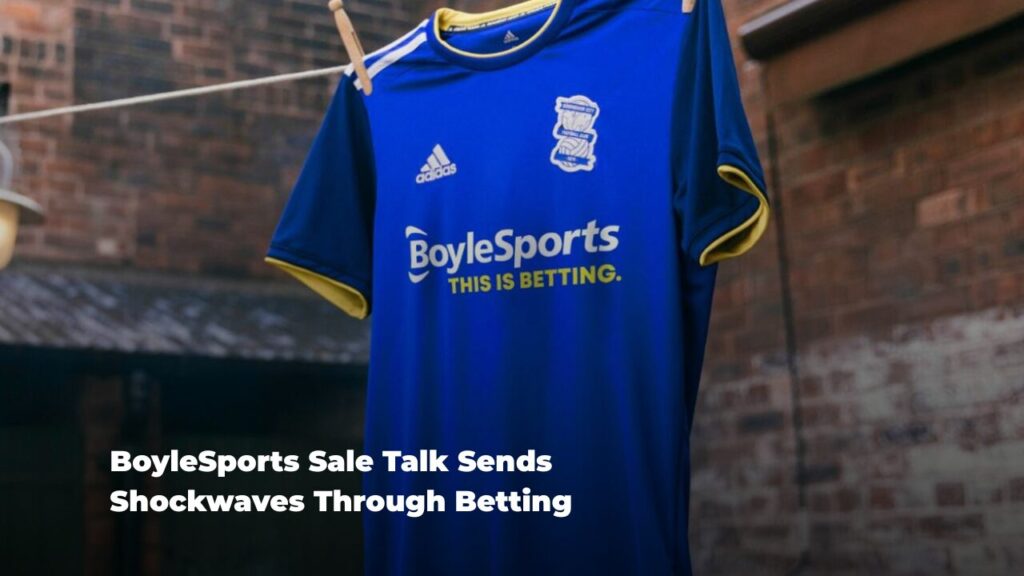
Just a few months before whispers of a sale started to circulate, BoyleSports made a major splash in July 2025 with a £100 million UK relaunch, a whole new plan was set to open 200 new betting shops all over the country and secure a front-of-shirt sponsorship with West Ham United FC. The big reveal at the time gave the impression they were absolutely convinced that their retail betting shops, linked up with all sorts of online gambling stuff, were going to be a solid long-term investment.
For a moment, the message looked clear. While some operators reduced their physical presence, BoyleSports prepared to expand.
Then the economics around UK betting shifted fast.
The UK’s Remote Gaming Duty increase pushed online casino taxation to 40% of gross gaming revenue. General Betting Duty is also scheduled to increase to 25% starting in April 2027. Those changes have reshaped the financial environment in ways that operators cannot ignore.
Higher gambling taxes cut the amount operators can reinvest into retail growth, technology, customer acquisition, marketing, and product development. Companies operating inside two regulated markets at once face even greater pressure when expansion plans need sustained capital. That reality now sits directly beside the reported sale discussions.
Potential Buyers Already Circle BoyleSports
According to sources familiar with the discussions, BoyleSports’ assets have reportedly been circulated to interested parties since at least February.
One company linked repeatedly to the process is FDJ United, the former French lottery monopoly that has pursued expansion across regulated European gambling markets. FDJ United already owns Ireland’s national lottery operator, which makes BoyleSports look compatible on paper. A completed deal would let FDJ strengthen its Irish market position while gaining retail scale and sportsbook exposure inside the UK market. Betfred has also reportedly been discussed as a potential buyer.
Even so, industry sources suggest that valuation expectations and the geographic positioning of BoyleSports’ retail estate may have complicated negotiations. Pricing remains a major issue throughout discussions.
John Boyle reportedly seeks a premium valuation for the company despite the regulatory pressure affecting the wider gambling industry. One industry adviser reportedly said: “I think if a bullish buyer had turned up, it would have happened, but here we are.”
That statement reflects the caution shaping gambling acquisitions across Europe right now. Interest in regional betting brands still exists, although buyers have grown selective as regulatory costs keep rising throughout the sector. BoyleSports did not respond to requests for comment before publication deadlines.
Why This Deal Carries Weight Well Beyond BoyleSports?
The reported process around BoyleSports reflects a structural shift happening across the gambling industry. For years, regional bookmakers survived through local brand loyalty, sportsbook operations, and retail visibility. Regulation has changed that balance steadily. Compliance systems, responsible gambling technology, taxation exposure, and licensing costs increasingly favour companies on a multinational scale.
As those pressures grow, consolidation becomes more likely.
Larger operators with deeper balance sheets keep investing through difficult regulatory cycles. Smaller and mid-tier companies face harder decisions around expansion, partnerships, capital raises, mergers, or exits.
BoyleSports now sits inside that transition.
The company holds assets that buyers can see value in, including strong Irish consumer recognition, a retail network, and a digital platform. Maintaining momentum, however, requires far greater investment than it did five years ago. Any buyer would not simply acquire betting shops and online operations. They would gain a foothold inside a changing European gambling market where regulation creates both barriers and opportunities at the same time.
Expert View: What the Industry Needs to Watch Next?
The signal from these discussions is not simply that BoyleSports may sell. Attention turns toward why this process appears to happen now. Regulation increasingly divides gambling operators into two groups. One side holds businesses large enough to absorb rising taxation and compliance costs across multiple jurisdictions. The other includes operators that may need outside investment, mergers, or partnerships to stay competitive.
BoyleSports appears to have reached that point despite holding a strong consumer brand and an established market presence. For operators across the industry, the implications arrive now. Retail expansion, omnichannel integration, licensing obligations, responsible gambling systems, and higher gaming taxes demand investment cycles far larger than before. Mid-sized bookmakers may find it harder to compete against multinational groups that spread those costs across several regulated markets.
Further consolidation across Europe could follow if more operators conclude that independence no longer delivers sustainable long-term advantages. Acquirers with diversified international revenues may benefit most in that environment because existing compliance infrastructure can be used while entering markets through recognised local brands rather than building awareness from nothing. Companies such as FDJ United could strengthen strategic scale and market access through transactions of this type. Smaller independent bookmakers, meanwhile, may continue facing pressure as competitive economics favour larger gambling groups.
One obstacle still remains.
Sellers value gambling assets on historic profitability and brand strength, while buyers focus on future regulatory resilience and operational efficiency. That disconnect could slow acquisition activity across the sector. What happens next may depend on two things: how hard European regulators continue tightening gambling oversight, and whether buyers still believe premium regional gambling brands can deliver long-term growth despite rising taxation pressure.
Explore more:
 Share
Share


 395 views