
Main Points
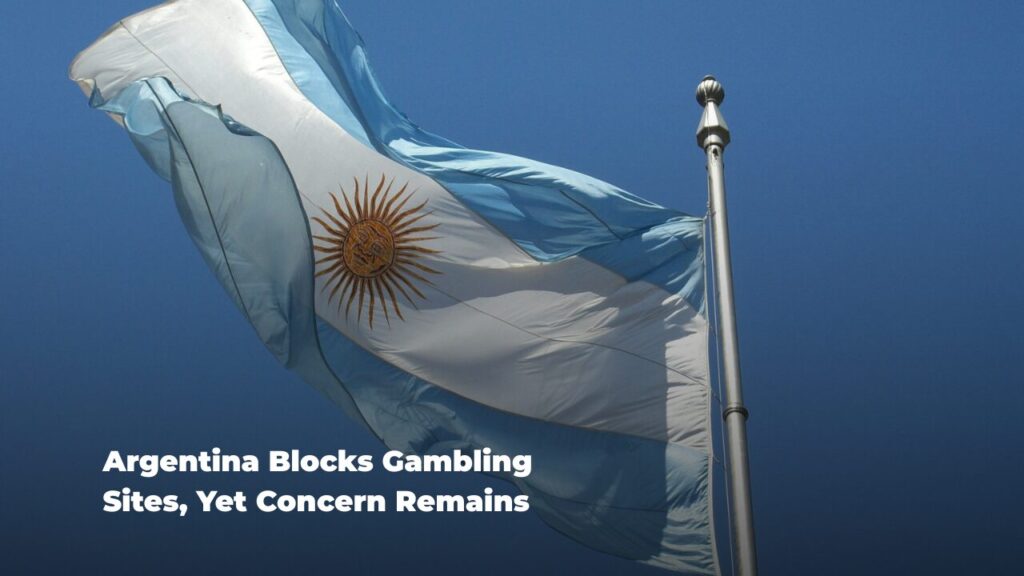
- Argentina shut 251 illegal gambling websites in Buenos Aires in one of its largest actions, exposing fraud, no fair play, and missing user funds.
- Investigation found more risk, minors used platforms without checks and even moved money inside illegal systems.
- Despite action, authorities say the issue continues due to fragmented regulation and fast operator response, so stronger national coordination is needed.
Many users believe a gambling site looks real, so it must be safe, that belief now breaks with unease. That belief now weakens fast, because this action shows something deeper exists behind surface trust. Argentina blocked 251 online gambling platforms that looked normal outside, yet inside there was a hidden issue that raised concern. If anyone asked how far illegal gambling spreads, this action begins to show it, though not the full extent.
A Crackdown Built Over Time
Pressure did not appear suddenly, it grew slowly over months with rising tension. Complaints increased step by step, and the local gambling sector pushed for change with urgency. That pressure led to an investigation by cybercrime prosecutors in San Isidro, joined with regulators and industry groups. What came next was not a warning or a simple list of sites. This time, the response moved further and created a stronger signal. Authorities shut sites instead of only naming them, showing direct enforcement and stronger coordination. Earlier actions stopped before closure and left gaps behind. Now the method shifts and the message becomes firm.
Sites That Appeared Real but Failed Users
At first view, nothing looked wrong and users felt at ease. These platforms offered casino games, sports betting, and fast withdrawal promises, all linked with licensed services. Still, the investigation revealed another reality that caused shock. Basic checks were missing and fairness was not ensured. More troubling, many users could not withdraw funds after depositing, leading to frustration. In several cases, money moved into offshore or unregulated systems and vanished. These findings show more than isolated issues. They reveal a system gap where oversight fails and responsibility disappears. In such a space, loss does not stay rare, it becomes expected.
For users in online betting, the situation now shifts strongly. Focus moves from odds to a simple question of whether a payout exists.
Risk Extends Beyond Money Loss
Financial harm remains serious, yet the investigation revealed a deeper issue. Many platforms allowed minors to join and gamble without identity checks, creating concern. This alone shows failure in compliance, but the issue grows further. Authorities found cases where minors joined these networks. They moved money for small payments and became part of an illegal system. This changes risk entirely and creates distress. Minors no longer stay protected, they become part of the operation. At the same time, the lack of identity checks allows harm to grow instead of stopping it.
Why Can’t Enforcement Not Catch Up?
Illegal gambling existed before in Argentina, yet speed now creates fear. Digital platforms appear quickly and spread with ease. When one site closes, another appears almost instantly, causing frustration. This creates an endless cycle where enforcement keeps chasing but never leads. Regulation structure adds another problem to this struggle. Laws operate at the provincial level, not the national level. Because of that, a blocked site in Buenos Aires may still reach users in other areas. Operators do not need to break the full system, they only find the weakest point.
Coordination Becomes Core Issue
This action shows one clear limit. A single effort cannot solve the entire issue even when the scale is large. Authorities call for stronger coordination across provinces and regulators. The investigation worked because many groups shared effort and data over time. Still, gaps remain and bring concern. Illegal operators change fast and new domains appear constantly. Money flows continue through banks, payment systems, and crypto, each with separate control. Without a unified system, enforcement covers only part. Access may close, but the financial system still runs.
Legal Pressure Grows on Operators
Argentina increases legal pressure on illegal gambling activity. Under Section 301 bis, operators face fines and possible prison. Buenos Aires applies more penalties such as domain block, licence removal, and tax burden. Financial law adds another layer with AML and CTF rules. These rules bring investigation and strong consequences. Licensed operators follow strict rules with tax up to 25% of revenue in Buenos Aires. This creates a divide between legal and illegal actors.
Technology Control Moves Forward
Regulators now move toward prevention with stronger systems. Federal law requires a biometric check through RENAPER for all platforms. Operators without compliance face shutdown and legal action. A draft bill proposes limits on ads, sponsorship, and celebrity links. The goal is to reduce exposure, especially for vulnerable users. This shows a shift from reaction to prevention.
Regional Shift Builds Momentum
Argentina’s action reflects change across Latin America. Countries like Brazil, Mexico, Peru, Colombia, and Chile tighten rules and block illegal operators. The region moves away from an unregulated state toward a structured system. This shift connects with market growth that reaches $41 billion by 2026. Internet access rises above 75%, smartphone use expands, and sports betting gains strong interest. Financial technology also increases speed and access. Systems like PIX and digital wallets support fast transactions, yet they also create challenges for control.
Expert View, What Changes Ahead
This action changes the regulatory and competitive space. For operators, the message becomes clear and direct. Compliance is now required, and enforcement grows stronger. Legal operators face higher costs but gain an advantage as illegal competition reduces. Industry may see consolidation as pressure increases on smaller players. Opportunities grow in trust, fintech, and compliance systems. Still, risk remains due to fragmented regulation and adaptive operators. The future stage depends on integration across systems. Those who adapt early shape market direction, others face struggle as enforcement grows.
Explore more:
 Share
Share


 370 views