
The consultation will run until 30 March under the timetable set by the authorities for the process. Fee increases are needed to fund the Gambling Commission enforcement action and work against the black market.
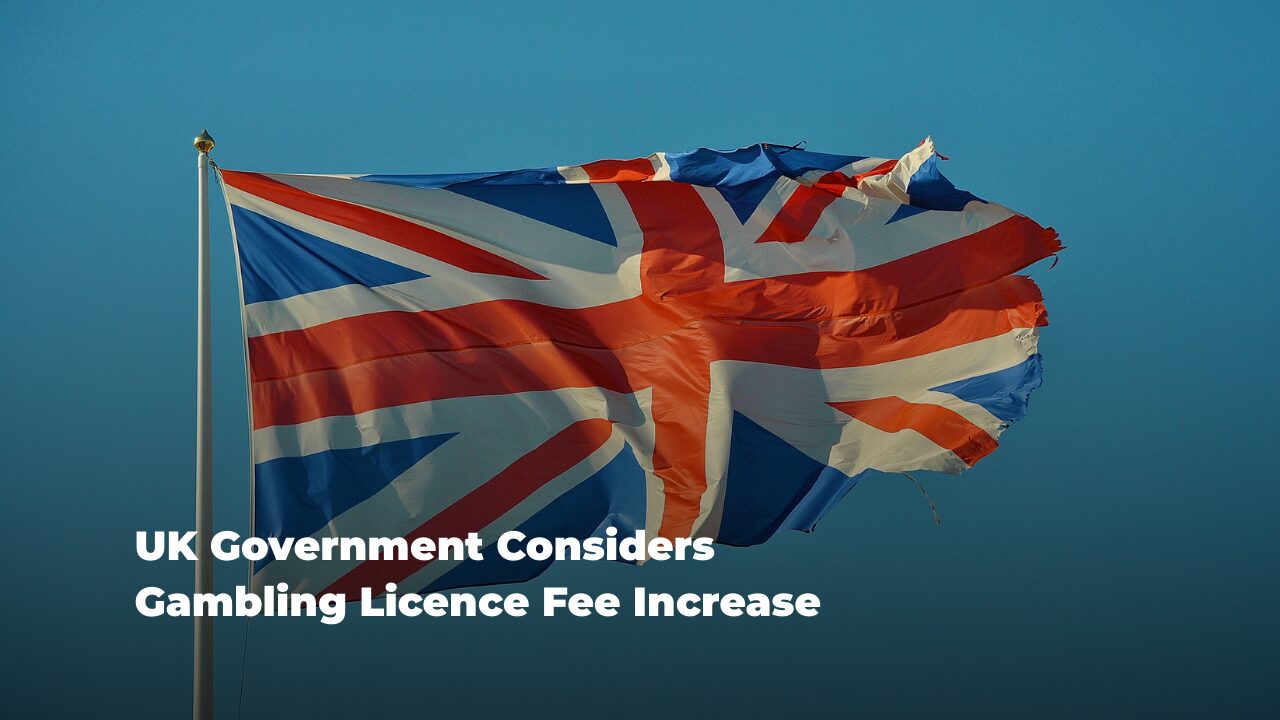
The UK government is considering an increase in gambling licence fees across regulated operators. The Department for Culture, Media and Sport announced a consultation on raising operator licence fees, including a 30% uplift. The consultation started on 27 January and will close on 30 March. Stakeholders including operators, trade organisations, consumer groups, local authorities, and the public, can submit views. The consultation includes three core options, each proposing some level of fee increase. The Gambling Commission said extra fee income must address funding shortfalls and support UK market regulation. “Since licence fees last changed in 2021, the commission increased investment in several priority areas,” the document said. Those areas include illegal gambling disruption, Gambling Act Review White Paper reforms, and data capability development.
“This investment and pressures such as inflation caused repeated annual budget deficits,” the document stated. “It also reduced the commission’s financial reserves,” it added. In the UK, licence fees differ based on vertical, licence type, and business scale. Annual operating fees currently use turnover-based fee bands. Any approved increase will apply to each licence holder’s existing fee. Remote casino operators earning over £1 billion gross gaming yield pay £793,729 annually in licence fees. They also pay £125,000 for each extra £500 million beyond the £1 billion threshold. The same rate applies to remote sports betting and bingo activity.
Differing Opinions on Licence Fee Rises
The first option, supported by the Gambling Commission, proposes a 30% average rise in annual licence fees. The regulator said this matches the gap between current fee income and chargeable function costs. It stated a 30% rise would generate £8.7 million, or $12 million, each year. “This option would fund our current work programme at a steady state,” the document said. “It allows delivery of the 2024 to 2027 corporate strategy and later priorities,” it added. “However, it includes no growth or new regulatory investment,” the document said.
Another option proposes a 20% rise in annual licence fee rates. This would add funding, yet still require £15.8 million savings by 2030-31. The document said this could involve job reductions.“The commission would reprioritise work, slowing or stopping some areas,” the document said. “This would focus resources on statutory duties and core regulatory activities,” it added. “Compliance and enforcement would target serious cases,” the document stated. “This means some suspected breaches would not receive investigation,” it said. The commission estimates a workforce reduction of around 10% under this option.
Government Preference for a Combined 30% Increase
The final option reflects the government’s preferred approach. This option sets a 30% fee rise with funds allocated in a split structure. A 20% increase would support commission operating costs. An additional 10% would be ring-fenced for specific regulatory priorities. These priorities include illegal gambling action and stronger enforcement capability. The document estimated that £2.6 million would fund ring-fenced activities.
“The commission would use funds to restrict illegal gambling at scale for GB consumers,” it said. “This protects consumers from unlicensed business risks,” it added. “It also keeps gambling spend within the licensed industry,” the document said. “This protects market integrity from criminal threats,” it stated. After 30 March, DCMS will review responses before deciding on changes. Any approved changes would proceed through secondary legislation. Implementation would likely begin in October 2026.
More Upheaval in the UK
Higher licence fees add further regulatory pressure on the UK gambling market. In November, the government confirmed higher remote gaming duty for licensed operators. It also confirmed a new general betting duty. Remote Gaming Duty will rise from 21% to 40% in April. General Betting Duty for remote betting will increase from 15% to 25% by April next year. Stakeholders, including operators and trade bodies, criticised these increases. Some MPs warned of possible illegal gambling growth following these changes. These measures follow the UK statutory levy introduced last April. They also follow stricter cross-selling marketing rules and financial vulnerability checks. These changes originated from the 2024 Gambling Act Review White Paper.
Explore more:
 Share
Share


 174 views



 Analysis
  Blog
Blog  Business
  Companies
  Crime
Crime  Finance
  M&A
M&A  Regulation
  Reports