





Key Points
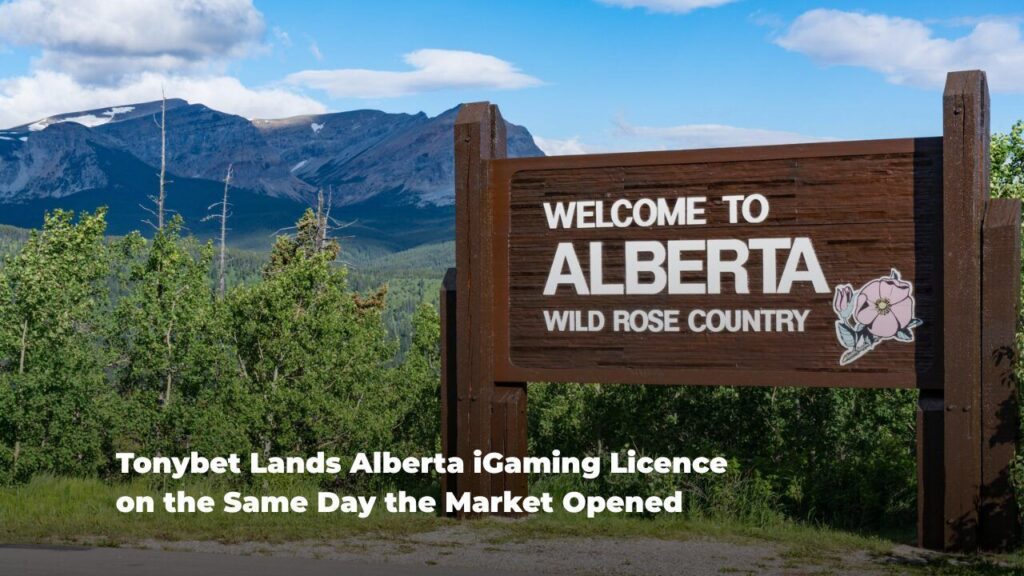
- Tonybet received an AGLC iGaming licence on 13 July 2026, the same day Alberta’s regulated online gambling market officially launched, making it one of the first operators cleared to enter.
- Tonybet’s Ontario operations grew registrations and gross gaming revenue by 52% in 2025, with the CEO citing that compliance record as the blueprint for Alberta.
- Alberta launched its market with 35+ operator applications under review, a pre-built centralised self-exclusion system, and a revenue model that routes 80% to operators and 20% to the province.
Alberta Opens, Tonybet Walks in Licensed
Regulated iGaming market in Alberta launched on 13 July 2026 and Tonybet didn’t waste time in declaring its presence there. Tonybet, which is a Riga-based betting site, which was licensed in Ontario and Kahnawake, declared that it got a license for iGaming by the Alberta Gaming, Liquor and Cannabis Commission (AGLC). With such a license, Tonybet will be able to run operations legally in the regulated market of Alberta.
Alberta has become the second province after Ontario, which opened its multi-operator iGaming market in 2022, where online gambling operates through the regulated and privately licensed system. Few operators in the country hold this kind of licensed reach.
A Province with Five Million Residents and a Market Built to Absorb Them
Alberta brings a lot to the table. With almost five million people in the province and a thriving sports culture, Alberta has all the factors needed. The regulatory framework has been created with the intention of drawing gamblers away from offshore betting sites and bringing them to a properly licensed gambling platform where the interests of players are protected. Right from the start, Tonybet is creating a strategy that is based on the same principles that have made it successful in Ontario. With its unique sports culture, Western Canada cannot be treated the same way as Ontario.
Arabuli: 52% Growth in Ontario Proves the Model
Dmitry Arabuli, CEO of Tonybet, made the case for why the AGLC licence matters beyond the licence itself.
“Alberta is taking the right approach – building a regulated market that puts player protection and operational standards at the centre from the start. That’s exactly the kind of environment we want to operate in. We’ve spent years proving in Ontario that you can grow a business and maintain the highest compliance standards at the same time – registrations and gross gaming revenue in the province both grew by 52% in 2025, with responsible gaming embedded in that success rather than working against it. Securing this license means we can bring the same commitment to Alberta, and we plan to be fully operational in the market.”
That 52% figure covers both player registrations and gross gaming revenue across Tonybet’s Ontario operation, a market the company entered when the province launched regulated play in 2022.
Preparations Already Running Before the Licence Cleared
Tonybet has not waited for the ink to dry. Platform localisation is already underway, the operator has begun integrating with Alberta’s centralised self-exclusion system, and commercial onboarding with the Alberta iGaming Corporation (AiGC) is in progress. The province built its self-exclusion framework before the market opened, a deliberate policy choice that Ontario still has not replicated.
35 Applications, One Market, Significant Competition
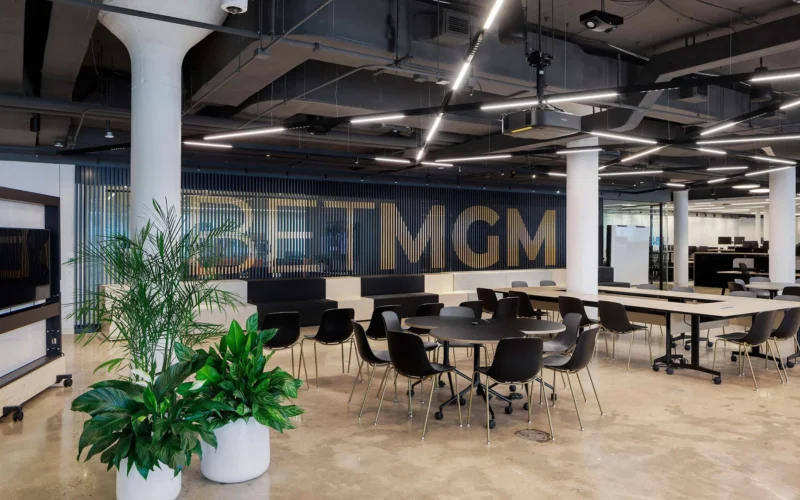
Tonybet entered a crowded field. More than 35 applications landed with regulators ahead of the 13 July market opening, with names including BetMGM, FanDuel, PointsBet, and Score Media and Gaming all seeking a foothold. Dan Keene, CEO of the Alberta iGaming Corporation, confirmed those applications were going through a full vetting process before any operator could sign an agreement and go live.
Alberta’s revenue model gives operators 80% of gambling proceeds, with 20% returning to the province. Of that provincial share, 2% is directed to Indigenous communities and 1% to social responsibility programmes. The structure is designed to attract serious operators while keeping public interest built into the framework.
Ontario’s Numbers Tell the Story Alberta Is Chasing
Ontario’s figures give Alberta a clear benchmark. iGaming Ontario reported C$2.9 billion in total gaming revenue for 2024-25, up more than 30% year on year. When the full 2025 annual figures were published, the market had generated C$4.04 billion, a 34% increase on the previous year and the province’s strongest performance since regulated play began. Monthly handle has grown nearly tenfold since 2022.
Researchers have raised caution alongside those figures. Carrie Shaw of the Alberta Gambling Research Institute noted that problem gambling indicators rose in Ontario after market launch, while falling across the rest of Canada over the same period. Alberta’s centralised self-exclusion programme is widely seen as a stronger safeguard than the approach Ontario adopted at launch.
Tonybet’s Canadian Footprint Before Alberta Even Launched
The Canadian profile for Tonybet was created long before the Alberta licence came to fruition. In May 2025, the firm signed a deal whereby it became the Official Online Sportsbook of the Canadian Elite Basketball League, responsible for broadcasting all 127 events through the CEBL+ online streaming service for the whole 2025 season. This move by the bookmaker enabled it to directly penetrate the Canadian sports market even before the opening of the Alberta market.
On the international scene, the firm has acquired seven licences from jurisdictions including Spain, the Netherlands, Portugal, Latvia, Estonia, and Canada.
Expert Analysis
Alberta’s 13 July launch is not just another market opening. It is Canada’s second attempt to build a regulated iGaming framework that competes with offshore operators on volume and on standards simultaneously. Tonybet’s entry on day one, with a 52% Ontario growth record behind it and localisation work already started, positions the operator as one to watch as the province finds its footing.
The real test for Alberta will come in its first full year. Ontario took time to scale; Alberta’s self-exclusion system and tighter advertising rules around athlete endorsements and youth-targeted content give it structural advantages Ontario lacked at launch. Whether that translates into a cleaner market with fewer problem gambling incidents, or simply a more polished version of the same pressures, will depend heavily on how operators like Tonybet run their day-to-day operations, not just their licensing paperwork.
 Share
Share


 151 views