New Jersey has introduced new responsible gambling rules mandating online gaming and sports betting operators to identify at-risk players, review harmful behaviour and apply phased interventions.
The regulations were announced by Attorney General Jennifer Davenport and the New Jersey Division of Gaming Enforcement on 20 October. New Jersey is the first US state to make these measures legally enforceable through state regulations.
Operators Must Appoint Responsible Gaming Leads And Apply Behavioural Triggers
Every online gambling operator in New Jersey must appoint a responsible gaming lead to oversee compliance. Operators must also apply mandatory player-activity thresholds and behavioural triggers to identify customers who may be at risk of developing gambling-related problems.
A trigger does not automatically mean that a player has a gambling problem. Instead, it requires the operator to conduct a due diligence review of the customer’s activity and circumstances. If the review identifies potential harm, the operator must add the customer to its at-risk player list and begin a three-phase intervention process based on the individual’s behaviour and needs.
The state said the rules are intended to improve early detection, ensure timely assistance and create a consistent standard across the online gambling sector.
Three-Phase Intervention Process Escalates Support For At-Risk Players
The intervention process increases in intensity according to the seriousness of the customer’s gambling behaviour.
Operators must assess concerning patterns, consider the player’s circumstances and connect the customer with suitable support. At the highest intervention level, the responsible gaming lead must establish live communication with the player.
If the operator considers a customer at risk after the intervention, the account must be closed. The rules place more responsibility on operators to respond when warning signs emerge instead of relying solely on customers to request help.
RecoverMe App Offers Additional Support For People Experiencing Gambling Harm
Davenport and the DGE also announced the release of the RecoverMe app. The tool uses cognitive behavioural therapy techniques to help people assess their gambling behaviour and access evidence-based support.
“As online gambling grows, we’re proud to announce mandatory regulations on responsible gaming. These will hold the industry accountable and help any gamblers in need,” Davenport said.
The announcement follows concerns that some operators have used aggressive marketing and promotional tactics to target people already showing signs of gambling-related harm.
New Jersey Links Responsible Gambling Rules To Its Kalshi Legal Challenge
These new requirements follow New Jersey’s sustained legal battle against prediction-market operator Kalshi. The state is asking the US Supreme Court to review a decision from the Third Circuit Court of Appeals, which favoured Kalshi’s argument that sports event contracts fall under federal commodities law.
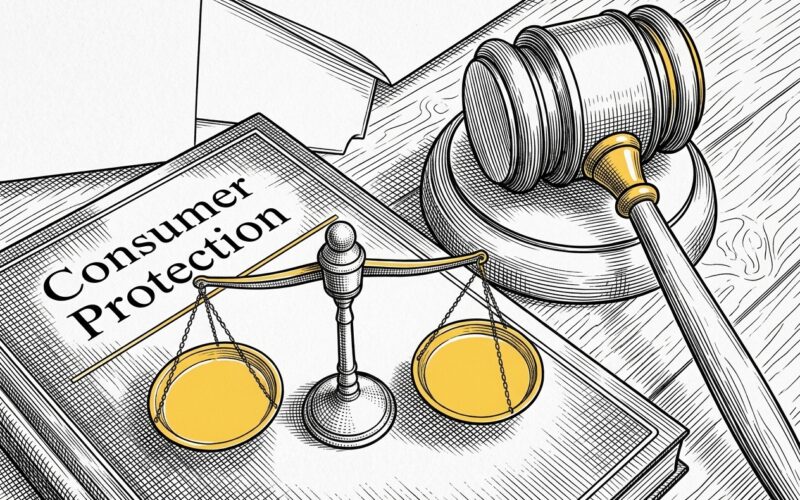
New Jersey maintains that these contracts resemble sports wagers and should be subject to state gambling laws, including consumer-protection requirements applied to licensed sportsbooks.
The state’s position has received support from 39 states and the District of Columbia, 146 tribal nations and organisations, the NFL and industry groups.
New Jersey’s rules move responsible gambling from general industry guidance into a mandated compliance system. Data-driven triggers can help operators intervene earlier, but they must be carefully calibrated to avoid treating normal activity as evidence of harm. The requirement for live contact and possible account closure also places more pressure on operators.
 Share


 4 views