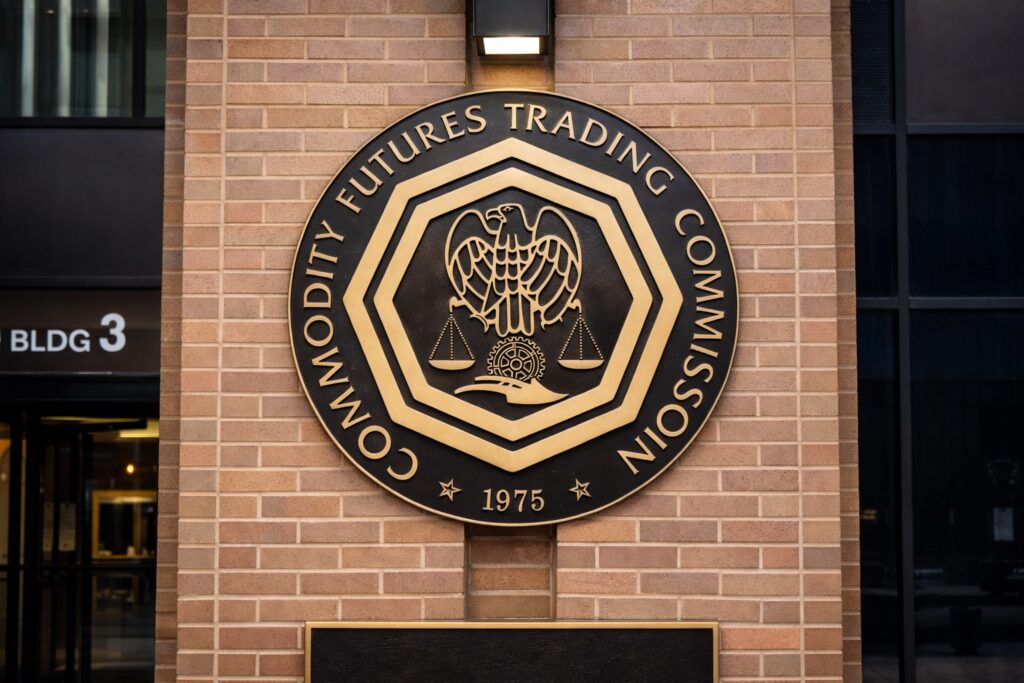
The US Commodity Futures Trading Commission (CFTC) has proposed formally classifying prediction market event contracts as swaps under federal law, while clarifying that casino-style gambling products would remain outside the definition.
These measures aim to define the CFTC’s authority over event contracts linked to sports, politics, weather and cultural events. They also seek to distinguish federally regulated derivatives from sportsbook wagers and casino games.
Both proposals include 30-day public comment periods and arrive as operators such as Kalshi and Polymarket face state challenges over sports-related contracts.
CFTC Proposal Would Bring Event Contracts Within Swap Definition
The first proposal would expand the definition of a swap to explicitly include event contracts. The CFTC said these products are financial instruments understood within the industry as swaps. They allow users to take positions on the outcomes of future events, including sporting competitions, political developments and weather conditions.
“Americans use event contracts to hedge risks, speculate, and provide the public with information about the outcome of future events,” CFTC chairman Michael Selig said.
Selig said event contracts are commodity derivatives covered by the Commodity Exchange Act and fall within the agency’s exclusive jurisdiction. The proposal would formalise the CFTC’s position as prediction markets expand across the US.
Separate Rule Excludes Sportsbook Wagers And Casino Games
A separate interim final rule would clarify that casino-style gambling products do not qualify as swaps under federal law.
The measure distinguishes derivatives from sportsbook wagers and casino games. It will reinforce the exclusion of traditional gambling products while allowing event contracts to be treated as financial instruments.
The interim rule is scheduled to take effect once published in the Federal Register, although stakeholders can still provide feedback during the consultation process. Both measures formalise proposals submitted to the White House Office of Information and Regulatory Affairs on 28 September.
State Regulators Continue To Challenge Sports Event Contracts
The proposals come amid growing litigation over whether prediction market operators can offer sports contracts without obtaining state betting licences.
Kalshi and Polymarket argue that their products are federally regulated financial instruments. State regulators maintain that sports contracts resemble wagers and should be subject to state gambling rules, including licensing, taxation and consumer protection obligations.
Federal appeals courts have taken different positions. The Third Circuit ruled in Kalshi’s favour in its dispute with New Jersey, while the Sixth Circuit allowed Ohio and Tennessee to apply state gambling rules. The Ninth Circuit also rejected the argument that federal commodities law prevents states from enforcing gambling legislation.
NFL And 39 States Support Supreme Court Review
This dispute has reached the US Supreme Court through New Jersey’s challenge to the Third Circuit ruling in Flaherty v. Kalshi. The NFL has urged the court to review the case, arguing that states are better positioned to regulate sports-related contracts and protect sporting integrity.
In a brief supporting review, NFL lawyers wrote: “Absent the clarity that only this court can provide, (prediction market) operators will continue exploiting the gap between state and federal regulation, endangering consumers and the integrity of sports events across the country.”
Attorneys general from 39 states and the District of Columbia have also supported New Jersey’s petition. The Supreme Court has not yet agreed to hear the dispute.
The CFTC’s proposals could give prediction markets a more distinct federal identity, but they are unlikely to end the conflict with state regulators. Classifying event contracts as swaps would strengthen the operators’ jurisdictional argument, while the explicit exclusion of sportsbook bets could further distinguish the two products.
 Share
Share


 3 views