
Key Points
- Maverick Washington LLC filed WARN notices on August 31, confirming 238 layoffs split between the Riverside Casino (142 workers) and Great American Casino (96 workers), both closing November 1, 2026.
- Five Maverick cardrooms have now closed or been scheduled for closure since June 2026, pushing total displaced Washington workers past 400.
- The Tukwila closures expose a structural collapse built on a 46% local wage surge, $305.8 million in pre-bankruptcy debt, and a legal battle over tribal gaming exclusivity that Maverick lost at every court level.
Two More Casinos Gone, and the Count Keeps Rising
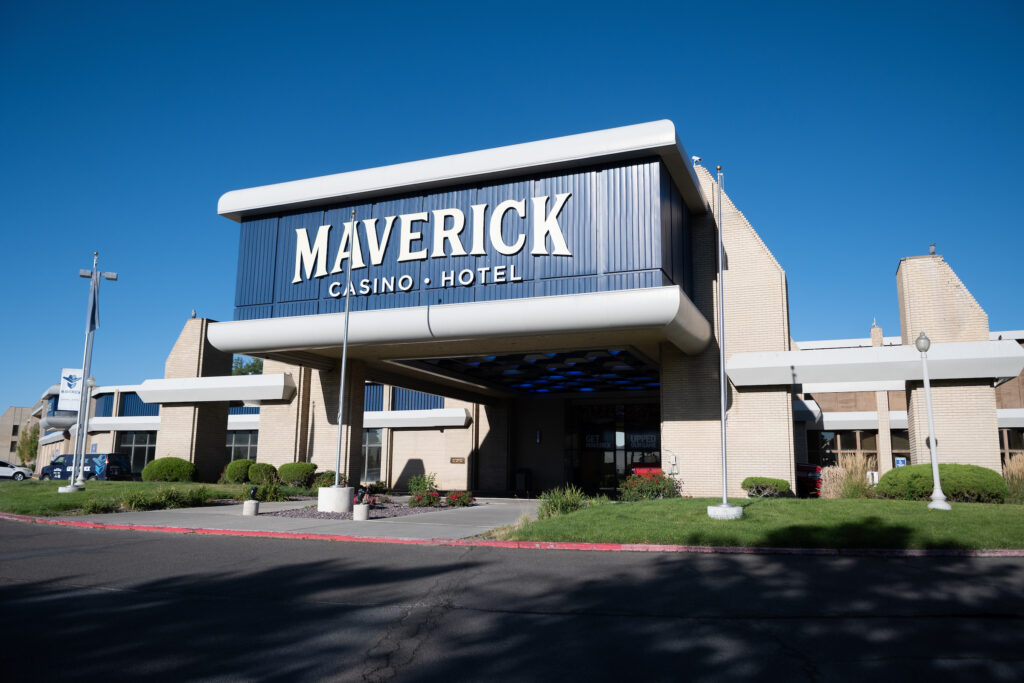
Maverick Gaming is shutting down two more Washington cardrooms, and the workers found out the way many do in a bankruptcy: through a government filing. On August 31, Maverick Washington LLC submitted Worker Adjustment and Retraining Notification notices confirming the Riverside Casino and Great American Casino in Tukwila will cease operations by November 1, with 142 jobs lost at Riverside and 96 at Great American. The affected workers span several casino roles, including cashiers, bartenders, dealers, cooks, and management, with some employees covered under Teamsters Local 117.
Five Maverick cardrooms have now closed or been earmarked for closure since June alone, affecting more than 400 workers. A company that once operated 24 casino properties across three states has been shedding locations roughly every six weeks since its parent company RunItOnTime LLC filed for Chapter 11 bankruptcy protection in Texas in July 2025. What the WARN notices don’t explain is how the company got here so fast. The Tukwila closures aren’t tidy restructuring housekeeping. They’re the visible end of a multi-year financial collapse, one with identifiable causes that regulators, creditors, and company leadership all contributed to building.
The Wage Problem That Sealed the Tukwila Properties
The detail most coverage has glossed over is the labour cost structure specific to Tukwila. Chief Restructuring Officer Jeff Seery stated directly in the bankruptcy declaration that significant minimum wage increases in the Tukwila market caused a substantial increase in labour costs on the company’s Tukwila properties. Between 2022 and 2025, the minimum wage in Tukwila increased by 46%, against only 15% growth across the rest of Washington state during the same period. For a cardroom already constrained by gaming regulations on what it can earn, a near-50% surge in base wage costs over three years leaves almost no room to manoeuvre.
That figure shifts the narrative considerably. Maverick’s Tukwila closures aren’t purely a bankruptcy tidying exercise; they reflect a local economic reality that made the Riverside and Great American properties structurally marginal before the legal and debt problems even reached their worst point.
A Capital Structure Built to Break
Maverick’s financial collapse did not begin with the July 2025 bankruptcy filing. The warning signs were documented publicly more than a year earlier. In a June 2024 note, S&P Global Ratings stated: “We view Maverick Gaming’s capital structure as unsustainable because its fixed charges, including interest, rent, and maintenance capital expenditures and lease expenses, are too high relative to forecasted EBITDA in the near term. We expect the company will burn cash through 2024 despite various cost and capex reductions because it remains burdened by very high interest expense given its high debt balances and floating-rate capital structure in the current high interest rate environment. This leaves no room for operating missteps or unexpected headwinds.”
These warnings were backed by some concrete choices. During 2022 and 2023, the properties located in Washington and Nevada were sold to the affiliates of Blue Owl for $205 million with the leaseback agreement totalling $17.8 million per year until April 2025, and with $5.9 million in outstanding rental fees at the time of filing bankruptcy. The same sale-leaseback deals caused capital gains tax expenses of $26 million in 2022 and 2023, thus further increasing cash flow problems when they were needed the most. In addition, there was a pre-bankruptcy credit facility of about $305.8 million secured by nearly all assets of the company. Renting buildings that need to be occupied for $17.8 million a year is just another form of debt, especially when the revenues become weak.
The Regulatory Wall That Never Moved
The Washington approach of Maverick had regulatory change always in some way at stake. The company launched into the market of cardrooms in Washington in 2019 when it bought Great American Gaming locations in Tukwila, Everett, and Lakewood for $56 million and expanded to eventually reach 21 cardrooms in Washington. Tribal casinos in Washington did not pay any gaming tax, were allowed to have slot machines and sports wagering facilities, and had higher betting limits at tables.
In January 2022, Maverick initiated the federal lawsuit to contest the exclusive right of the tribes in Washington to gamble, asking for authorisation to operate sports betting and other games. The lawsuit was dismissed by the federal court in February 2023, and the decision was affirmed by an appeals court in December 2024. The Supreme Court did not review Maverick’s lawsuit in October 2025, thus leaving intact the tribal-only sports betting in Washington. In January 2025, the Washington State Gambling Commission also denied Maverick’s application to open a centralised surveillance centre for its cardrooms.
The Closures That Built to This Point
The withdrawal from Washington did not start with Tukwila. The filing for bankruptcy by Maverick in July 2025 saw the immediate closing of four facilities, which included Dragon Tiger Casino in Mountlake Terrace, Palace Casino in Lakewood, Silver Dollar Casino in Renton, and Roman Casino in Seattle. Another Silver Dollar facility, that is, Silver Dollar SeaTac Casino was closed on June 30, 2026, which led to 65 job losses, while Crazy Moose Mountlake Casino and Silver Dollar Mill Creek Casino, both located in Bothell, were closed on July 31, which led to an additional 123 job losses. The current November 1 closures at Tukwila take the total tally beyond 400 people.
On August 31, the US Bankruptcy Court for the Southern District of Texas approved another extension of the period during which Maverick maintains exclusive rights to file its Chapter 11 restructuring plan. The reorganisation is still active, but the pattern of closures raises a pointed question: how much Washington presence will actually remain when a plan is eventually submitted?
Expert Analysis: The Bet That Should Have Been Re-Evaluated in 2022
We think Maverick’s Washington strategy deserves harder scrutiny than most coverage has offered. The company entered Washington’s cardroom market knowing tribal operators held structural regulatory advantages. Those advantages were not a surprise development. They were visible, documented, and legally protected from the start. What the company bet on was that litigation or lobbying would shift the playing field. Neither did.
What is harder to justify is the decision to keep expanding in 2022, including the $80.5 million acquisition of Evergreen Gaming Corporation, after S&P had already flagged the capital structure as unsustainable and after the Washington federal lawsuit had been filed with no certainty of success. The sale-leaseback arrangements generated short-term capital while locking in permanent annual rent obligations that could not be unwound. The Great American Casino in Tukwila, now being closed, was bought as part of that same Washington push in 2019 for $56 million, a property being abandoned after the entire strategy it anchored proved unworkable.
Washington’s cardroom market may simply not support large commercial operators under the state’s current regulatory framework. The tribal gaming structure, reinforced now at every judicial level up to the Supreme Court, creates a ceiling on what non-tribal operators can realistically earn and offer. Maverick’s exit won’t change that framework for anyone who follows. The 400-plus workers losing jobs across Washington are the direct cost of a strategy that the company’s own credit rating agency warned about, in writing, before the worst of it materialised. Despite the contraction, Maverick continues to list vacancies in Nevada and Colorado, suggesting it intends to survive in some form, just considerably smaller than the operation Eric Persson described in 2019 when he promised 3,000 Washington jobs and called the market a dream come true.
Explore more:
 Share
Share


 214 views