Key Points
- Italy’s revenue forecasts reportedly assume that wagers will increase by 30 per cent on machines running under new rules.
- Concession extensions to 2029 will bring in €281 million yearly, but an EU court decision on bingo raises legal doubts.
- Revenue forecasts reportedly assume 2,300 video game halls by 2028, while the industry claims there are no more than 70.
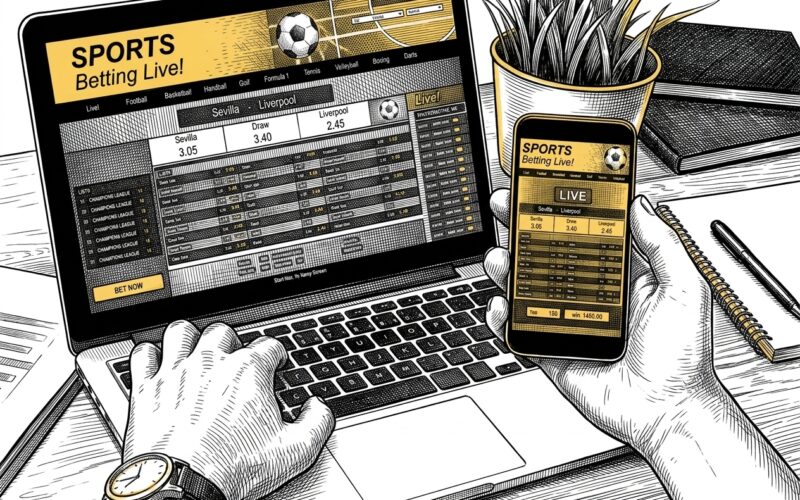
Bar slots in Italy will soon enable players to bet €2 per spin instead of the current €1 limit. Besides, Italy relies on gambling revenues to cover a €26 billion budget. As trade reports state, the revenue forecast assumes that wagers will grow by 30 per cent. Italy’s Court of Auditors reportedly considered this forecast critical, but this is not an actual outcome yet. With the amendment deadline closed, parliament will have to decide how to fund the changes that will benefit the operators. The question is what will happen to the forecast revenue if players do not increase their wagers.
Deadline for Amendments Expired at 6 PM, Funding Will Decide the Changes
The deadline for submitting amendments to the 2027 budget expired today at 6 pm in Rome. Submitting an amendment does not mean its approval. Firstly, each amendment has to pass admissibility checks; then the parliamentary groups will prioritise the changes, provisionally until 2 pm on 26 November. Further committee reviews and voting will follow, with a budget approval date set for 31 December.
As this is the last budget under Meloni before the general election planned for 2027, each amendment will be crucial politically. As Minister of Economy Giancarlo Giorgetti announced on 12 November, the government will consider amendments which are backed by funding. This condition was repeated by coalition sources, and Il Sole 24 Ore reported that “the changes have to be backed by reliable and specific funding“. So, any tax relief for slots will have to be funded from some other part of the budget.
Article 23 Specifies Different Tax Rates for Slots and VLTs
Under Article 23, the PREU tax will be increased by one percentage point from 1 January 2027 on stakes. AWP machines, which are common in bars, will see an increase from 24 per cent to 25 per cent. The increase in the video lottery terminal rates will be from 8.6 per cent to 9.6 per cent, a relatively higher one. Only AWP machines will be subject to increased betting and prize limits. The highest stake limit will go up from €1 to €2, and the highest prize limit will increase from €100 to €200. AWP machines having a payback ratio of at least 70 per cent will be taxed at a reduced rate of 20 per cent while operating.
It is estimated that tax revenues will reach €334 million in 2027 and grow to €456 million from 2029. No changes to the online gambling tax rates have been suggested, making land-based operators shoulder the tax burden.
Extension Concessions Will Generate Additional Income Amounting to €281 Million but Raise Legal Questions
The current fee-based extension of the concession that was implemented through the 2025 budget law will expire at the end of 2026. Under Article 26, the concessions for land-based betting and machines will be extended until 31 December 2029 for some fees. The estimates of the amount of payments are €114.5 million for betting concessions and €166.5 million for machines networks. Consequently, it will generate additional revenues of €281 million annually or €843 million from 2027 to 2029 in the form of non-tax revenues. While being considered as verifiable by the Budget Service, further clarifications are needed with respect to licenses and VLT rights. Additionally, the extensions show the delay in gambling reforms that occurred due to the fact that the government and regional authorities could not draft a retail network plan until 29 August.
On 11 November, the Committee of the Chamber for European Union Policies approved the bill but raised legal questions about gambling concessions. The issues have emerged after the 2025 ruling of the EU Court of Justice regarding Italian bingo concessions.
€700 Million Gambling Contribution Does Not Provide Full Picture
A €700 million gambling contribution was announced by Prime Minister Giorgia Meloni on 28 October after the cabinet approved the budget. Later, trade publication AGIMEG estimated that the gambling measures included in the technical report could bring approximately €952 million in 2027. This is based on increased taxes, concessions, a fifth draw of weekly Lotto and SuperEnalotto and a settlement related to the levy of 2015. The concession fee is separate from taxes, and it is not included in PREU. As the two amounts refer to different types of revenue, comparing them would be incorrect. The reports differ in whether the mentioned figure is applicable to one year or two.
Operators Report Financial Viability Issues as Opposition Demands Stricter Rules
As of 29 October, EGP-FIPE estimates that at least 20 per cent of special gambling facilities could become economically unviable due to the new legislation. It is an estimate of the financial pressure, not an exact number of closures. The association also demands the holding of competitive concession tendering. SAPAR, AGSI and CNI reported the same issues as well, referring to employment and negative effects on small businesses.
The opposition parties have been criticising the increased governmental dependence on income from gambling. The Democratic Party requires more attention to gambling harm prevention, while Five Star is sceptical of the budget’s dependence on the gambling industry.
Video Game Halls Refute Forecasts Based on 2,300 Venues
Article 25 of the bill provides for the authorisation of LAN gaming halls and non-cash video games by Italy’s Customs and Monopolies Agency, ADM. The authorisation will be valid for two years, and at least 20 gaming stations will be required for each venue. Betting will be banned. The article also proposes an 8 per cent entertainment tax based on the average taxable amount of €15,000 per gaming station.
According to AssoParchi, the technical report admits that there is a lack of information in the gambling industry when predicting 200 halls in 2027 and €66 million of revenue in 2028. IIDEA has proposed the exclusion of Article 25, as Italy currently has only 70 such halls, and only 20 of them comply with the requirement of 20 gaming stations.
Analysis of Experts: Italy’s Revenue Forecasts Depend on How Much Bets Will Increase
It needs to be noted that betting is expected to increase by 30 per cent, more than the forecast of the one-percentage-point increase in tax. This tax rate can be increased according to the law, but increased gambling depends on the behaviour of players. The idea that we get from our research is that some part of the government’s expected revenue is based on the fact that people will spend more money gambling. It is a policy decision and needs discussion, not just an assumption.
The obligation to finance all amendments also increases the pressure. If there is any relief provided to the operators, then lawmakers will need to determine whether replacement financing will come from reliable revenues or forecasts. Both parties will argue with the help of the same gaming machines: the operators will need a reduction in taxes, while the opponents will claim that additional measures should be taken. We think that gambling harm prevention serves as the best argument in favour of closer monitoring. The revenue plan, which depends so much on wagering, needs to state explicitly the measures taken in order to protect players.
The cost to operators of extended concessions should be justified by the following competitive tenders. This point is also mentioned in the document by the European Union Policies Committee. There are also arguments against the assumptions of Article 25 made by IIDEA. The forecast in Article 25 assumes that the sector, with about 70 halls, will grow to 2,300 venues by 2028. If there is no growth, then the government will take into account revenue that will never materialise.
Another development that needs to be discussed is which amendments will appear on the priority list by 26 November and how each of those amendments will be financed. The financing details will reveal who exactly the government plans to make pay for the financing and whether gambling players will pay their share of it.
Explore more:
 Share


 13 views