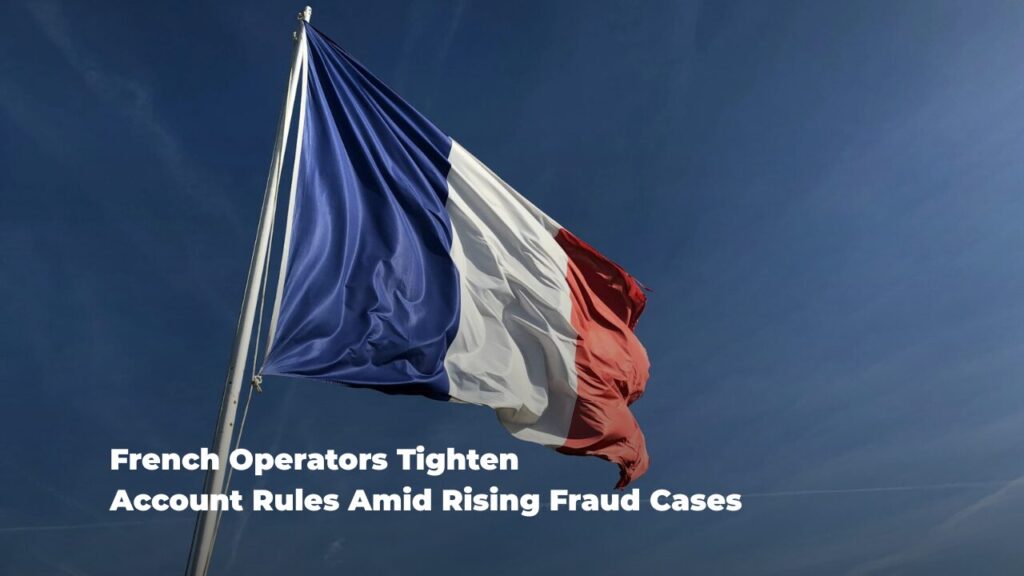
French gambling operators are strengthening their terms and conditions as fraud cases rise across the country’s regulated gambling sector. According to the 2025 annual report from the Médiateur des jeux, France’s independent gambling dispute-resolution body, cases involving confirmed or suspected fraud have “increased considerably” in recent years.
The report linked the increase to two major factors: “an increase in the number of fraudulent players and better detection of these frauds by operators.” One of the clearest shifts was in account closures. A case study cited several disputes where players challenged operators after their accounts were suspended or terminated over alleged fraudulent behaviour. In some cases, operators deducted “up to 50 per cent of the balance” as incident fees before placing the remaining funds in reserve.
“Faced with this resurgence, some operators have changed their terms and conditions and now deduct significant sums,” the report stated. The mediator does not determine whether such clauses are legally valid. However, when operators provide sufficient evidence of fraud, the body considers the deductions and reserve actions to align with the operators’ terms.
Operators strengthen fraud controls and account monitoring
The report revealed growing tension around transparency during investigations. According to the mediator, operators often submit evidence supporting their fraud claims, but “for reasons of confidentiality and in order not to compromise their fraud-fighting systems, the mediator cannot reveal some of these elements to players.”
France’s gambling regulator, Autorité Nationale des Jeux, is currently preparing updated guidance around fraud.
In her opening remarks within the report, ANJ president Isabelle Falque-Pierrotin referred to “the clarification of rules on fraud, which will lead before the summer to the development of a guide to good practices that operators had called for.”
Gambling disputes continue rising across France
The mediation system experienced a sharp rise in activity during 2025. Requests to the mediator increased by 20% year-on-year, climbing from 1,541 cases to 1,856. Sports betting accounted for the majority of admissible cases. Many of these disputes focused on account management issues, including frozen balances, closures, and difficulties withdrawing winnings.
For the mediator, fraud cases leave limited room for leniency once deception is confirmed. “I therefore firmly invite players to give up any fraud because, not only will it not be favourable to them, but, in addition, it may heavily penalise them,” wrote mediator Jérôme Gallot.
“In the event of fraud, deposits and losses are generally not reimbursed, and the balance may be placed in reserve.”
Industry debates balance between fraud prevention and player fairness
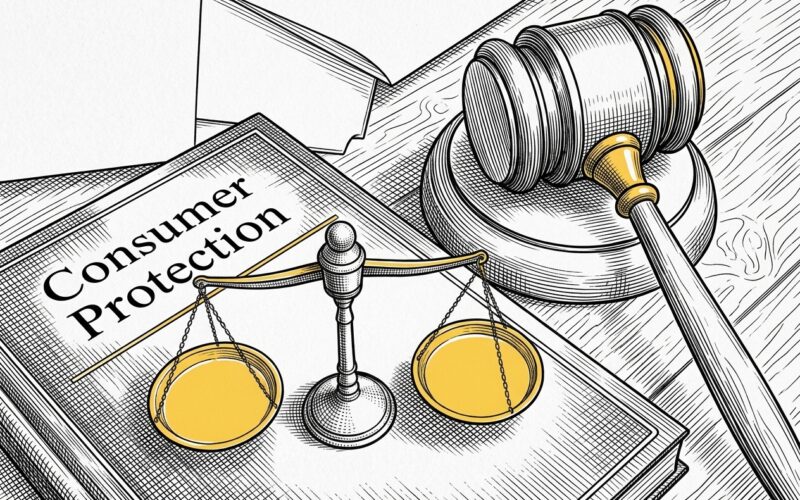
The rise in fraud enforcement is reopening discussions about fairness within the gambling sector. Industry figures speaking at a recent SiGMA Europe panel on alternative dispute resolution argued that stronger consumer protection systems should not automatically be viewed as anti-operator.
“What we’re talking about is a framework that protects players, and in some cases operators, to ensure that before reaching a serious legal dispute, there is an intermediary,” said Oliver De Bono.
Duncan Garvie, a former head of ADR services for an operator, also stressed the importance of reducing friction between players and operators. “We need to build trust with players by facilitating an easier route to managing friction,” he said.
That friction is becoming increasingly visible in France’s gambling market. Operators are demanding stronger tools to combat abuse and fraud, while players push for clearer explanations when balances are withheld.
The mediator now sits between both sides, requesting detailed evidence from operators while warning players that fraudulent behaviour can carry significant consequences.
The French gambling dispute-resolution body has released a report highlighting the rise in fraud cases nationwide. It attributed this trend to an increase in fraudsters and improved detection systems on operator sites. The regulating body, Autorité Nationale des Jeux, has stepped in with a revised guidance, but must balance enforcement with fairness to players.
Explore more:
 Share
Share


 476 views