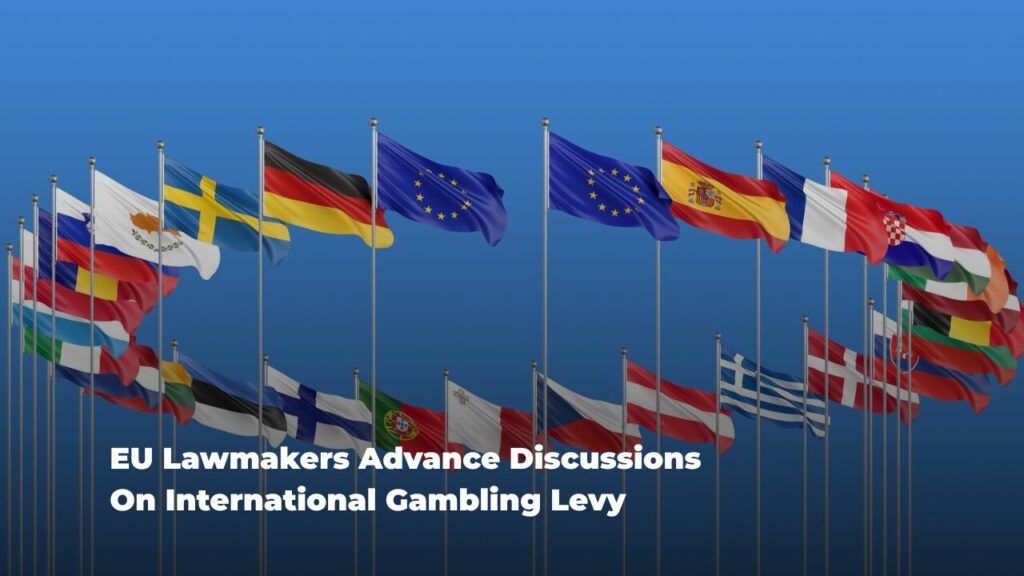
European lawmakers have taken another step towards implementing an EU-wide gambling levy, though the proposal remains at an early stage.
This measure was introduced in February by Romanian politician, Victor Negrescu, who proposed a 1% levy on gambling revenues across the European Union. It is set for review during a meeting of the EU Budget Committee on 27 May.
The session will be led by the EU budget commissioner, Piotr Serafin. Supporters within the Socialists and Democrats Group argue that the levy could generate additional funding for healthcare, education and youth programmes across member states.
Details of the proposal are still unclear, as lawmakers debate whether the 1% charge would apply to gambling turnover or operator revenues across the EU’s 27 member countries.
Proposed levy could raise billions for EU budget
Supporters estimate the levy could generate between €2bn and €4bn annually. Across the EU’s seven-year budget cycle, projections suggest total proceeds could range from €14bn to €28bn.
The proposal arrives as Brussels explores new funding mechanisms for the 2028-2034 Multiannual Financial Framework, currently expected to exceed €2tn.
“According to the S&D Group position, an ambitious basket of new genuine own resources is a condition for having an ambitious MFF that can respond to the increased needs of our citizens and business,” Co-Negotiator on Own Resources for the EU Budget in the EU Budget Committee, Sandra Gómez López said.
“As already stated in the MFF Interim Report adopted in April 2026, we need sustainable, predictable and resilient revenue streams for the Union budget.”
Illegal gambling concerns influence policy debate
Both supporters and critics of the proposal have highlighted illegal gambling as a key issue, though they disagree on how the levy would affect the market.
“We take up the initiative in times when Europe’s online gambling and betting market continues to expand rapidly, generating tens of billions of euros annually while increasingly operating across borders and benefitting from the single market,” Negrescu stated.
“According to industry estimates, illegal online gambling already represents around 71% of the market in Europe, leading to major losses in public revenue, weaker consumer protection and increased risks linked to money laundering and organised crime.”
Trade groups have also challenged the new measure. European Gaming and Betting Association Secretary General Maarten Haijer previously described the levy as “unworkable”.
Industry warns levy may strengthen black market
The EGBA and other industry groups argue that excessive taxation could reduce the competitiveness of licensed operators and push more consumers toward unregulated platforms.
This mirrors similar arguments raised in the UK during discussions on gambling taxation reforms last year. According to YieldSec research cited by the European Casino Association, Europe’s illegal gambling market is costing governments around €20bn annually in lost tax revenue.
Lawmakers in Europe are considering a gambling levy for member nations to boost revenue generation towards development projects. Though the proposal is far from implementation, there is a Budget Committee meeting next week to deliberate on the fine details.
Further updates on regulatory developments will be available in the Regulation Section.
Explore more:
 Share
Share


 257 views