






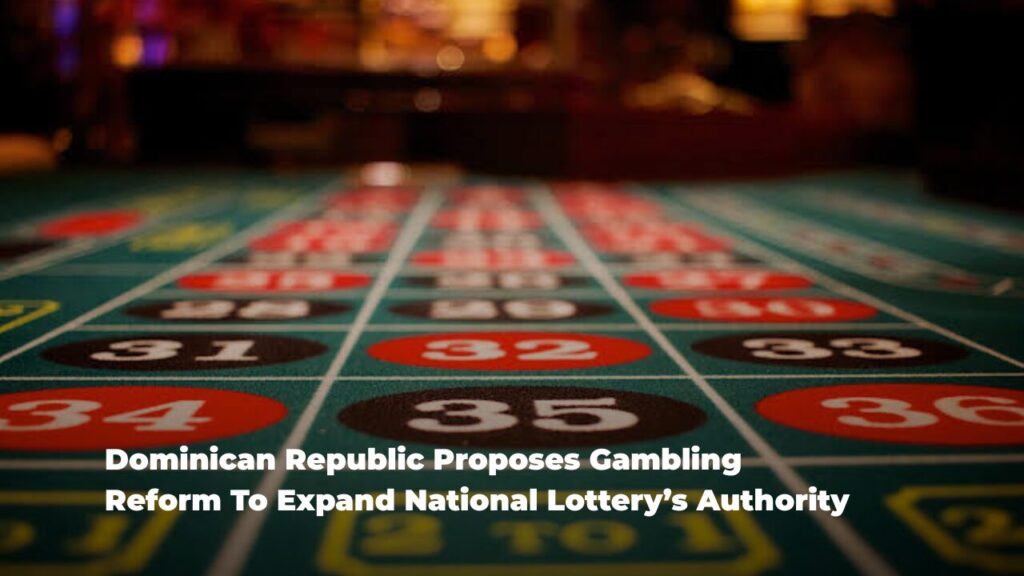
The Dominican Republic is considering major changes to its gambling framework through legislation to transform the National Lottery into an independent state institution with more regulatory authority.
Under the proposal, the National Lottery would no longer operate solely as a lottery provider under the Ministry of Finance and Economy. Instead, it would become a financially autonomous public entity in charge of the country’s gambling industry.
If approved, the organisation would oversee lotteries, sports betting, casinos, electronic gaming operations and other gambling-related activities across the Dominican Republic.
Lawmakers Push For A More Centralised Regulatory Structure
The bill was introduced by Senator Pedro Tineo, who argued that consolidating all segments under a single authority would improve oversight.
Currently, gambling regulation is divided between multiple government bodies, including the National Lottery and the Directorate of Casinos and Games of Chance. Supporters of the proposal believe centralisation would simplify enforcement and create a more efficient regulatory system.
The legislation follows the introduction of the National Regularisation Plan for lottery offices, betting shops and gaming businesses under Decree 197-26. The initiative aims to increase formal participation within the gambling sector, strengthen compliance standards and improve tax collection.
While the National Lottery receives more supervisory authority, tax collection responsibilities remain with the General Directorate of Internal Taxes (DGII). The Lottery would instead focus on licensing, inspections, compliance monitoring and enforcement activities.
Gambling Reforms Form Part Of Wider Fiscal Strategy
The proposed gambling reforms are being implemented alongside a range of fiscal measures introduced by the government. National Lottery Administrator Teófilo Tabar has been appointed to lead the regularisation programme during the transition period.
According to Finance and Economy Minister Magín Díaz, the wider reforms are designed to strengthen public finances while maintaining investment in public services and protecting vulnerable groups.
Government estimates suggest the fiscal package could generate between DOP40bn ($670m) and DOP50bn ($838m) in additional revenue. Some measures under consideration include higher corporate taxes for large businesses, increased fees on electronic transfers, new taxes on electronic cigarettes and higher airline ticket charges.
Gambling Industry To Face Additional Tax Measures
The gambling sector is also expected to contribute to the government’s revenue objectives. Authorities have confirmed plans to introduce higher taxes on gambling-related activities and casinos, although specific details have not yet been disclosed.
The combination of regulatory reform and additional taxation reflects the government’s effort to improve oversight while increasing public revenue from regulated industries.
If lawmakers approve the proposal, the National Lottery would emerge as the country’s primary gambling regulator, creating a centralised framework for licensing and enforcement.
The Dominican Republic is working on a proposal to expand the regulatory authority of its National Lottery. Now, the body will oversee regulation of sports betting, casinos, electronic gaming operations and other gambling activities. Authorities also aim to increase taxes on gambling to generate more revenue.
Explore more:
 Share
Share


 213 views