





Key Points
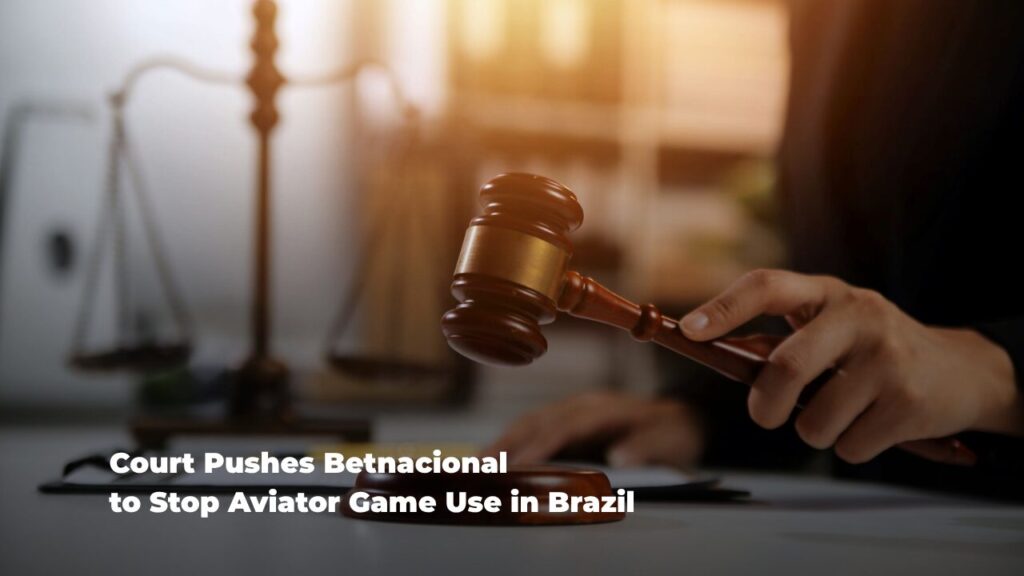
- A court in Brazil grants an interim injunction and directs Betnacional to stop using the Aviator name and related elements, while also setting daily fines if it fails to comply.
- The dispute begins after Betnacional, once a licensed partner, launches a crash game under the same name through another provider, which SPRIBE claims copies its 2018 title.
- This case brings focus on intellectual property enforcement, supplier control, and content rights in Brazil’s regulated betting market, and its impact may spread across the industry.
A shift starts in a quiet manner, yet soon the effect begins to spread across the market and creates unease. Operators have long believed that once a game format proves successful, new versions or replacements can follow without strong resistance. Now that belief begins to face pressure as events move forward. In Pernambuco, a court issues an interim injunction against NSX Brasil S.A., the operator behind Betnacional, and the order takes effect without delay. The use of the AVIATOR trademark must stop, and the instruction also covers visual, graphical, and audiovisual elements that may look similar or cause confusion. As the ruling takes force, risk becomes clear and creates tension, while daily fines begin to apply if compliance fails.
The order remains active until further court review or appeal changes the outcome. At the centre stands SPRIBE’s ownership of the Aviator trademark, registered with Brazil’s National Institute of Industrial Property, INPI. This registration gives exclusive rights under the country’s Industrial Property Law. The court reviews the claim and finds it plausible, which signals that the new offering may cross into infringement.
What first looks procedural slowly reveals a deeper impact.
Courts in Brazil now show a stricter stance on intellectual property, even in a sector that moves fast and creates pressure.
From Agreement to Conflict, Where It Shifted
The situation begins without conflict, and that point shapes what follows with a sense of loss. Betnacional had worked as an authorised licensee of SPRIBE’s Aviator game since 2022. During this time, the title launched in 2018 and gained a strong global presence driving engagement across platforms.
Then in 2025, the direction changes.
Betnacional launches another crash game under the same Aviator name, yet this time the source shifts to Aviator Studio. From SPRIBE’s view, this move does not act as a simple change, instead it becomes an unauthorised reproduction of its product. The new version copies the concept and also reflects elements linked to brand identity. This difference carries weight as the case moves ahead. Crash games as a format do not belong to one party, yet branding and design elements stay protected. The legal focus now turns to whether the product crosses from inspiration into imitation. SPRIBE reacts and defines the move as a violation of trademark and copyright.
The company then shares its position clearly through a statement.
It states that the decision in Brazil marks a step in its global plan to protect its assets. The company also confirms that it monitors markets across all regions and will enforce protections in each jurisdiction. SPRIBE further states it will take legal action against infringers to protect the Aviator experience and ensure fairness for players. As these words settle, the tone reflects control and signals a wider enforcement strategy.
Brazil Market Becomes Test Ground
Timing plays a role in shaping what follows next.
Brazil’s betting market has only entered a regulated phase, and this creates a structured system where IP rights face testing. Betnacional holds a strong position in this market.
This position grows further after its link with Flutter Entertainment through the acquisition of NSX Brasil. Because of this scale, any decision affects the wider system. Crash games such as Aviator continue to generate revenue across licensed platforms. Behind this simple view sits a structure of licensing, distribution, and ownership that creates tension. When an operator replaces a licensed game with a similar one, the issue becomes clear and raises concern.
The core question now emerges about control between the operator and supplier. Through this injunction, part of that question begins to find direction within Brazil.
Legal Pattern Around Aviator Brand Expands
Events in Brazil do not stand alone, instead they link with disputes around the Aviator brand across many regions and create a sense of pressure. Recent action shows SPRIBE secured an injunction in the United Kingdom, stopping another entity from launching a crash game under the same name. Each step strengthens the company’s claim as the sole owner of the game across markets, supported through continued legal action. Founder David Natroshvili stated that SPRIBE created the Aviator crash game in 2018 and holds ownership worldwide. He also confirmed that the company will take all steps to protect its rights and partners from third parties.
Attention then shifts to Georgia, where the dispute first appeared in 2024, and the situation becomes more tense. In that case, Aviator LLC claimed that SPRIBE infringed its trademark and imagery. The issue escalated, and both Flutter and SPRIBE faced possible exposure of €330 million tied to the Aviator name and image. By January 2025, the conflict started to ease, and Aviator LLC removed its claim against Flutter.
Both sides accept certain trademark rights and agree to end the legal process. Even with this resolution, the case leaves a mark, showing how the Aviator identity remains contested and how financial stakes can rise.
Impact of Injunction on Operations
As the ruling begins to apply, its effect shows at once and creates urgency.
Operators face removal or replacement of a game that drives engagement, and this change affects session time and revenue flow. At the same time, daily fines for non-compliance increase pressure and push operators to act fast.
Beyond operations, contract terms begin to change.
Supplier agreements can no longer rely on easy replacement assumptions. Operators now carry the responsibility to verify IP ownership and maintain licence continuity. They must also avoid using content that resembles existing products too closely.
Studios see a shift in their position.
The decision supports enforcement strategies, especially in regulated markets where legal boundaries form in real time.
Next Steps in Legal Direction
The injunction remains temporary, and it waits for full review or appeal before the final outcome.
Both sides still hold the option to challenge or adjust the decision. The final judgment will define whether the current direction stays or changes. Even before that, one detail stands clear. Courts now act early instead of waiting for long disputes. This change alters how risk is measured across the industry.
Expert View on Wider Impact
At first, the case appears as a trademark issue, yet it reveals a deeper shift in the iGaming system and builds concern. Operators now face a tighter balance between cost and risk. Replacing a licensed game may reduce cost at first, but legal exposure and disruption now carry weight. This leads to stricter checks, tighter contracts, and rising compliance costs.
Flexibility in sourcing content begins to reduce.
Across the industry, original creators gain a stronger position. Enforcement reduces copy development and pushes focus toward new ideas. This shift may improve content while also raising entry barriers for smaller studios. Suppliers with strong IP gain more power in negotiations. This becomes more visible in regulated markets where enforcement applies. Aggregators and smaller developers face closer review when products resemble known titles.
Risk still exists but changes form.
Operators relying on a few key games may face disruption if disputes occur. Strict IP enforcement may also limit variety if rules become narrow. From this point, the focus turns to three signals. The first lies in how Brazil’s courts decide the final ruling. The second looks at whether similar injunctions appear in other markets. The third tracks how operators adjust supplier strategy. As these factors develop, power may shift, placing IP at the centre of competition rather than distribution scale.
Explore more:
 Share
Share


 505 views