Key Points
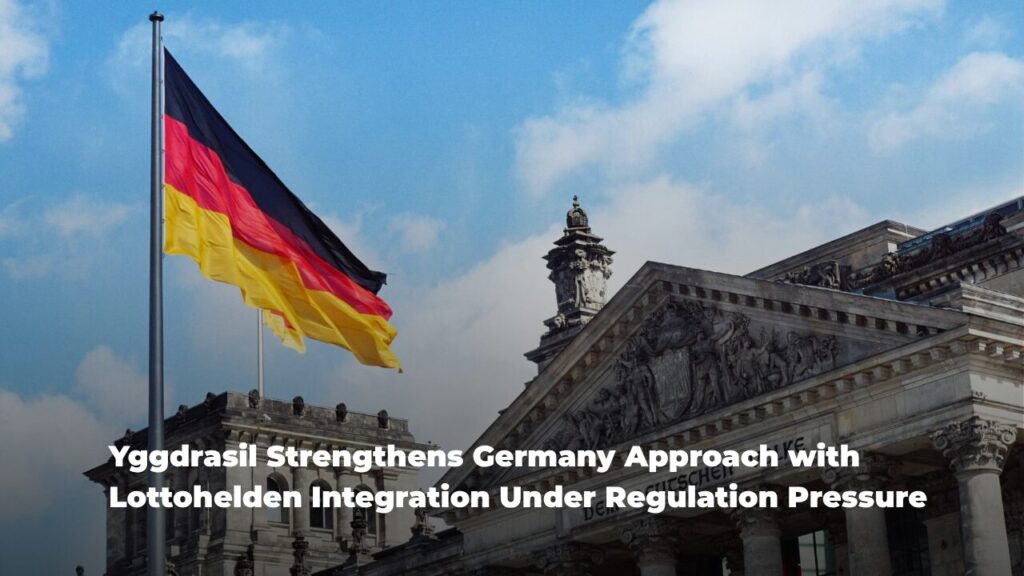
- Yggdrasil launched more than 100 games with Lottohelden and expanded its presence in Germany.
- Partnership continues long-standing link with Lottoland since 2016.
- Germany’s iGaming market may reach $10 billion by 2030, showing importance.
Enter any discussion on European iGaming, and one pattern appears fast. More game releases, new operators join, and announcements follow. Germany does not follow this pattern. The main issue here was never access.
Compliance acts as the main limit.
Operating within one of Europe’s most restrictive systems while still offering content that holds player focus creates pressure where many suppliers fail. This sets the context for Yggdrasil integration with Lottohelden. More than 100 games are now run on the platform, including Valley of Gods, Vikings Go Berzerk, and Multifly. Content from the YGG Masters programme also joins, forming a portfolio that shows range, not only quantity.
This change carries meaning.
Operating at scale within the German system while keeping the product level is not common. Yggdrasil now shows it can manage both.
Regulation Acts as Control Point, Not Block
Germany’s iGaming system did more than raise limits.
It changed how operators and suppliers enter and function in the market. Strict rules, technical limits, and ongoing oversight removed providers who could not adjust. Operators now choose partners with a new focus. Reliability moves from option to requirement. Daniel Ibing, VP Gaming and Sportbetting for Lottohelden, spoke on this during the announcement. He said “Germany is a highly regulated market, so it is important to work with suppliers that combine strong content with proven reliability and compliance expertise. Yggdrasil’s reputation in regulated jurisdictions made this partnership a natural fit.”
Content alone no longer makes a difference.
Compliance ability and consistent delivery now form part of the product. This separates suppliers who grow from those who stop.
Using Existing Strategic Link
This launch did not begin from zero.
It builds on Yggdrasil’s partnership with Lottoland, parent group of Lottohelden, since 2016. That past work creates value. Integration in regulated markets needs time and resources, and trust reduces both technical and regulatory pressure. Instead of starting new, both sides extend an existing model into a new brand. Phillip Taylor, Head of Region Europe at Yggdrasil, explained this step. He said “Our integration with Lottohelden in Germany marks another important step in expanding Yggdrasil’s reach in key regulated markets. This milestone has been made possible through our strong relationship with Lottoland, with whom we have proudly partnered since 2016.”
This move shows continuation, not a restart.
The foundation already existed. What changes now is the scale of opportunity.
Germany Market Direction Shapes Urgency
Timing in market entry does not happen without reason. Germany remains a closely followed regulated iGaming market across the world. Operating there brings a challenge, but future numbers attract attention. Grand View Research forecasts market revenue may reach $10 billion by 2030. This projection influences supplier decisions.
Short-term regulatory pressure becomes acceptable when long-term gain is clear. For Yggdrasil, expanding distribution now positions it for future revenue when compliance stabilises and the player base grows. The market has not reached its peak. Those preparing early already hold a position.
Why Does This Integration Hold Operational Impact?
For Lottohelden, adding a wide compliant content set answers a challenge seen in regulated markets where player engagement becomes harder under gameplay limits. A small catalogue under strict rules leads players to leave. A larger catalogue built on known titles gives players reason to continue.
For Yggdrasil, the benefit extends beyond one operator result.
Each deployment in Germany strengthens its position as a supplier that manages regulation while keeping delivery stable. This mix of compliance, content, and reliability does not appear often in the current market. Limited presence of this mix creates value in business terms. Yggdrasil does more than add a partner, it builds a reputation asset that grows harder for others to copy over time.
Strategic Impact on Operators and Industry
Germany now changes what advantage means in iGaming. The focus no longer stays on who offers more games. It shifts to who can launch and run them under rules without disruption and maintain that flow over time.
For operators, this confirms a shift in supplier choice.
Content range still matters, yet it follows compliance and system stability. This directly affects costs through fewer issues, fewer system changes, and more stable revenue flow. Across the wider market, the effect shows influence concentration. A smaller group of suppliers ready for regulation moves ahead while the gap grows wider. Providers unable to meet German standards face the risk of exclusion not only here but also in other markets that may follow similar rules. This effect spreads, where regulatory ability becomes required for global growth rather than optional.
Opportunities open in two paths at once.
Suppliers with compliance systems can expand into regulated markets using trust as an advantage that others cannot match. Operators can stand apart through selected partnerships instead of content volume, focusing on retention and system stability. Risks remain in a defined form. Regulatory change stands as the main threat, where tighter rules raise costs, and relaxed rules bring more competitors into the market. Suppliers investing in compliance may face pressure on margins if requirements shift often, reducing the advantage they built. Those who gain from this path appear clear. Established suppliers with regulatory experience and aligned operators move forward. Smaller studios and less flexible platforms face higher barriers, especially in markets where Germany sets direction.
The next phase will not show rapid expansion.
Growth will move through selective scaling. Stakeholders will observe rule changes, player behaviour under limits, and whether Germany’s approach spreads across Europe. These signals will decide if this market becomes a model or a warning for industry direction.
Explore more:
 Share
Share


 365 views