
Key Points
- Washington allows college sports betting at tribal casinos, including in-state teams, starting June 2026 after rollout.
- Strict rules apply with no online betting and bans on prop bets, micro-bets, and coaching-related wagers.
- Law protects athletes with fines, jail terms, and lifetime betting bans for harassment.
Washington Broadens Athletics Gambling to Cover University Competition
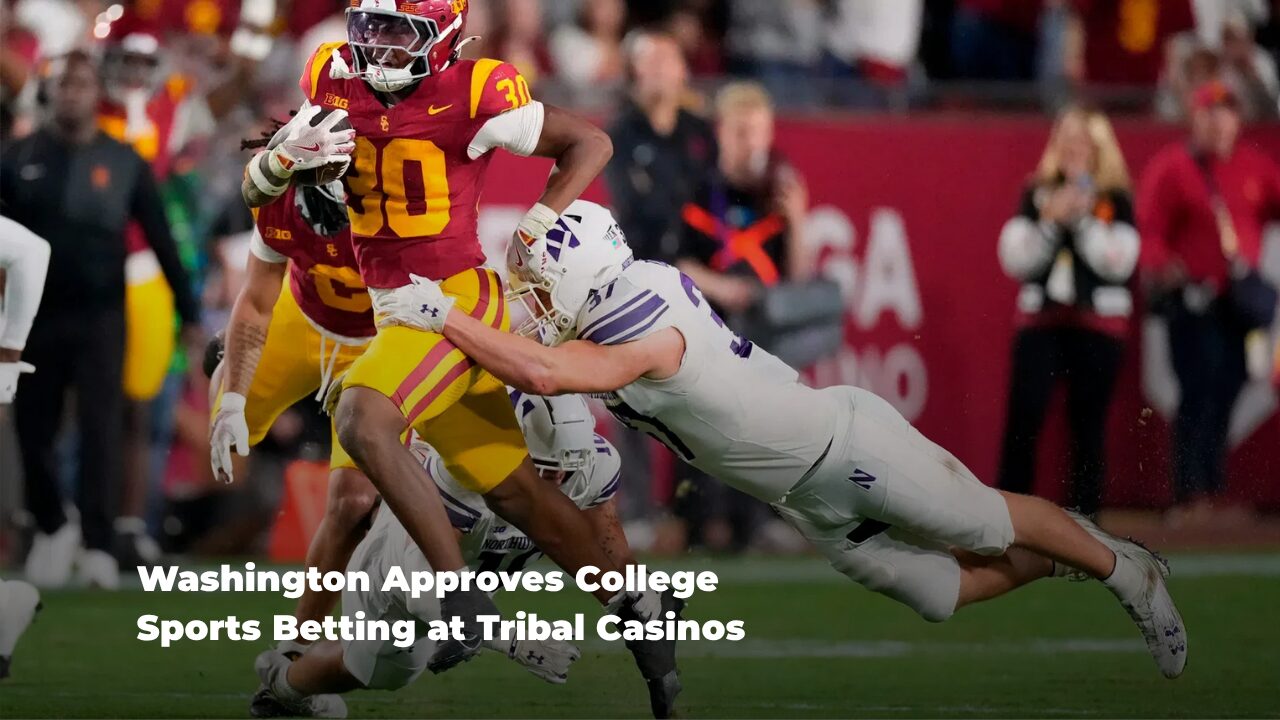
Washington has approved substantial growth of its athletics gambling structure, enabling stakes on university athletics at Native American gaming centres initially. Governor Bob Ferguson approved Senate Bill 6137 on March 30, 2026, creating a major movement in the state’s careful gambling stance. The statute widens current gambling allowances from just professional and Olympic athletics to cover most university athletic events. Still, gambling stays under heavy control, using firm restrictions built to defend players and keep competition fair.
Timing for Start and Market Introduction
The law contains organised introduction stages to guarantee correct execution throughout participating locations. Activities begin in early June 2026, after a 90-day setup period since the legislative meeting ended on March 12. This timing gives regulators, Native American gaming centres, and related groups space to build monitoring procedures and safety systems before starting. The opening matches important university athletic competitions, covering the College World Series in mid-June, although the main gambling movement should grow during university football time in August and competitions including March Madness.
Major Adjustments in Gambling Policies
The biggest adjustment lets gambling on local university squads, changing past limits on these activities. Past policies basically stopped most university athletics gambling covering Washington schools using wide legal wording. Gamblers may now stake funds on squads like the University of Washington and Gonzaga University, covering important games including the Apple Cup football match. Allowed gambling choices cover regular stakes like moneylines, point differences, and score totals. Gamblers may stake on complete squad results in university matches within state limits. But many limits stay active:
- Gambling happens only through direct visits to Native American gaming centres.
- State-level web and phone athletics gambling remains banned by current statute.
- Stakes on small-scale professional athletics remain forbidden.
- Just top-tier professional athletics are allowed for gambling beyond university sports.
Banned Gambling Types
The statute sets specific limits on particular stakeholder types to lower the chances of abuse and problems. Personal player achievement stakes face total bans, stopping gambling on individual player results. Stakes about management choices or referee actions face bans too. This covers gambling on timeouts, player switches, penalties, or referee choices. Small-scale gambling, mainly on exact match moments, meets strong limits or total bans. These steps keep gambling aimed at squad results not personal performances or opinion-based actions.
Powerful Defences for Players and Referees
State leaders built firm defences answering increased fears about harassment from gambling. The statute sets tough punishments for people who intimidate or bother players, managers, or referees. Rule breakers face penalties up to $5,000, possible jail up to 364 days, and an endless prohibition from state gambling. These steps recognise increasing evidence of gambling-based harassment, including data revealing that over half of men’s Division I basketball athletes face such abuse. The policies match larger requests from university athletics leaders to cut harmful gambling actions, mainly those aimed at specific players.
Native American Gaming Centres’ Part and Money Effects
The growth keeps Native American gaming centres as the only allowed places for legal sports gambling in Washington. This setup respects existing deals giving Native American groups power over particular gaming work. The state holds 29 federally recognised groups running 35 gaming centres, each ready to profit from the bigger gambling market. Keeping gambling in these watched spaces lets leaders improve watching while respecting group rights. The shift should raise gaming centre visits and money, which many groups need for important programs covering health services, schools, and building projects.
History and Market Background
Washington first allowed sports gambling in 2020, after the 2018 Supreme Court decision that removed federal gambling bans. The state picked a careful method, keeping gambling at group centres and removing local university squads. These limits sent many people to unregulated foreign gambling sites, which work without buyer defences or regulatory oversight. By growing legal choices, state leaders want to move gamblers to safer, watched spaces. The choice happens during fast national increases in athletics gambling, with Americans gambling about $167 billion by 2025.
Mixing Growth with Watching
Washington’s changed statute shows careful mixing between growing market reach and keeping firm rule watching. By letting university athletics gambling while setting main limits, the state meets buyer wants without risking player safety or match fairness. Leaders say ongoing monitoring remains important as the new plan starts working, making sure gambling work stays within safe and responsible boundaries.
Further updates on regulatory developments will be available in the Regulation Section.
Explore more:
 Share
Share


 53 views





 Analysis
  Business
  Companies
  Crime
Crime  Finance
  M&A
M&A  Prediction Markets
  Regulation
  Reports