
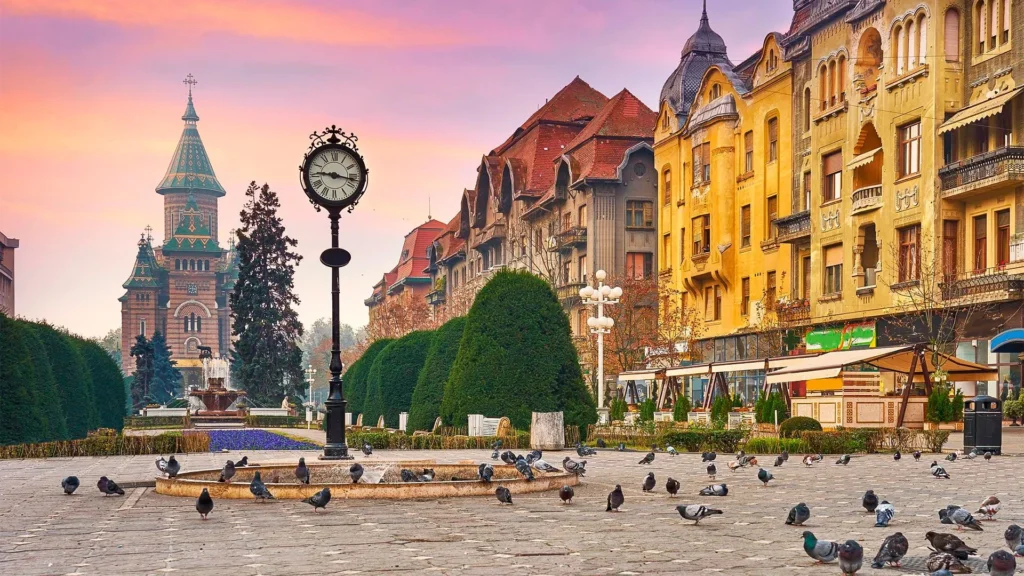
Timișoara’s local council has unanimously voted to prohibit any new gambling halls from being authorised across the city. Mayor Dominic Fritz said existing venues will only be allowed to operate until their current licences expire, with closures expected by next year.
“This decision is now official: gambling halls can no longer be authorised in Timișoara,” Mayor Fritz declared on Facebook. Lottery services operated by Romania’s National Lottery will remain permitted and will become the only gambling-related activity allowed to continue.
Around 173 authorised gambling venues were recorded in Timișoara earlier this spring. These businesses will gradually close as licences issued under the previous central system expire, with the process to run till 2027.
Licensing powers have shifted from Bucharest to local councils
The decision follows a national reform introduced earlier this year that transferred responsibility for gambling licensing from Romania’s central government to local authorities.
Under the new framework, councils can veto new gambling venues and decide whether gambling businesses should be permitted within their jurisdictions.
The president of the Timis County Council said in April that funding no longer needed for gambling hall oversight could instead support educational infrastructure, including new schools and kindergarten modernisation.
Romania continues tightening its land-based gambling market
The latest local ban adds to wider restrictions introduced across Romania. In 2024, the government banned slot halls in towns with fewer than 15,000 residents and introduced tighter zoning and advertising rules.
The number of slot machines operating nationally has since fallen from around 80,000 to 36,000. Despite the reduction, land-based gambling remains a significant part of Romania’s market.
H2 Gambling Capital data valued brick-and-mortar gaming at €1.67 billion in 2025, accounting for around one-third of total gambling revenue.
Timișoara’s decision shows how Romania’s shift toward local gambling control can produce stricter outcomes than a centralized system. The bigger question is whether more councils follow the same path, because that could slowly reshape the country’s land-based market city by city.
 Share
Share


 210 views