

Key Points
- New Zealand launches its iGaming licensing operation in July 2026, following the passage of the Online Casino Gambling Bill projected for May.
- The licensing system implements a three-stage approval mechanism and caps the market at 15 operators exclusively.
- Operators must file licence applications before 1 December 2026 or discontinue online casino service delivery, with fines totalling NZ$5 million.
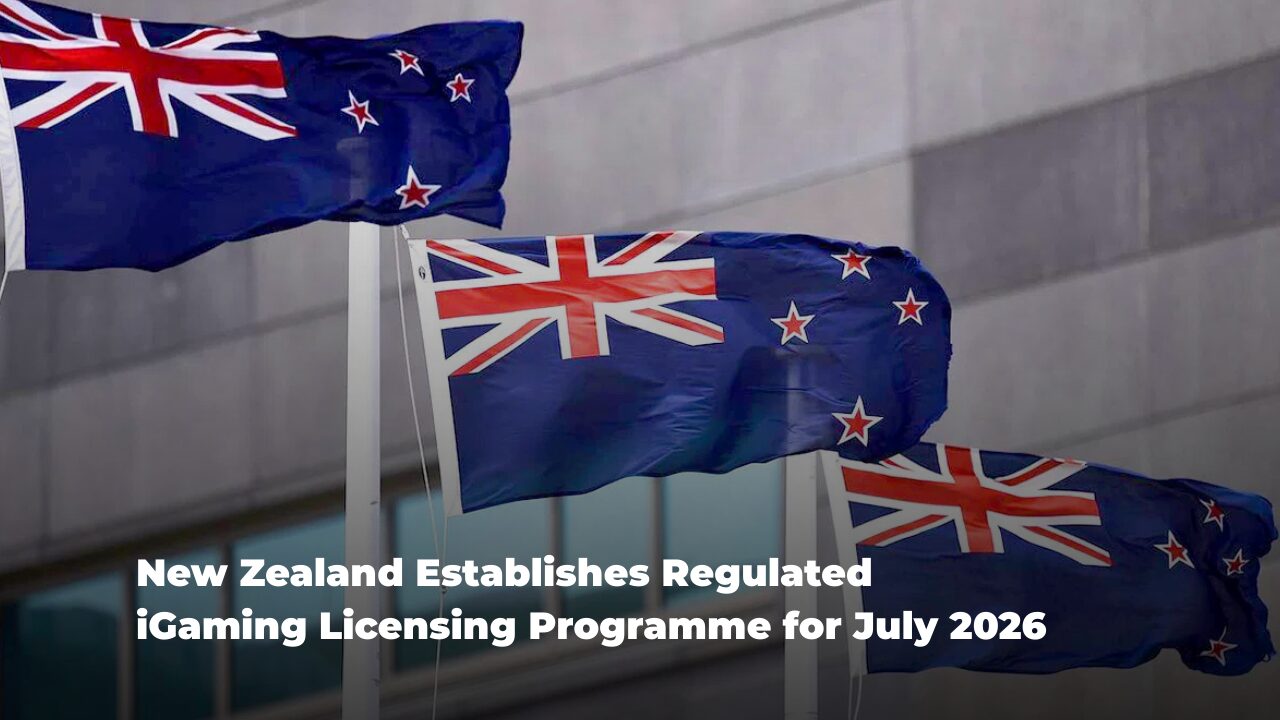
New Zealand begins establishing a national licensing programme for online casinos starting in July 2026 across the country. Officials move to bring the previously unregulated iGaming sector under direct domestic oversight and control. The reform responds to growing worries that more than NZ$750 million leaves New Zealand yearly through offshore platforms. The Department of Internal Affairs set the timeline following the Online Casino Gambling Bill’s first parliamentary reading in July 2025. Parliament anticipates the legislation will become law by May following completion of the second reading and committee phases. Officials will establish a structured licensing regime that regulates the market under rigorous supervision once passed.
Three-Tier Licensing Process Controls Online Casinos
The system sets up a three-tier licensing process, capping the market at fifteen operators. Regulators built this structure to keep things transparent, maintain competition, and enforce strict compliance with the rules. With this approach, New Zealand moves steadily toward a fully regulated online casino market. Tier one activates immediately when the bill becomes effective law and operators receive formal invitations. Companies must declare their interest in entering New Zealand’s regulated online casino market during this stage. This expression period operates for one to two months before authorities permanently close all submissions.
The Department of Internal Affairs organises a licence auction within one month following the expression period’s end. This auction tier continues for up to two months and allows qualified operators to compete through bidding. Eligible companies vie for the restricted licences available under the new regulatory framework. Companies succeeding in the auction proceed to the final tier by preparing detailed iGaming licence applications. Regulatory officials assess these applications across several months with evaluations typically spanning four to six months.
Regulators look closely at whether operators actually follow consumer protection rules, meet financial stability standards, and maintain solid operations at this stage. The licensing system exists to make sure that anyone joining the regulated market can truly handle what’s expected of them. Companies must demonstrate their capacity to deliver services responsibly before authorities grant operational permission. Approved candidates obtain licences initially valid for three years from the issuing regulatory body. Operators maintain renewal possibilities by consistently meeting all regulatory requirements and compliance standards. Companies must exhibit continuous adherence to the country’s gambling oversight framework to preserve operational authorisation.
Firm Deadline and Enforcement Protocols
Authorities established firm enforcement deadlines as the market structure develops across the industry. Providers must apply for a licence before 1 December 2026 to continue offering online casino gambling services. Operators continuing without submitting a licence application by that date must cease conducting online casino gambling operations. Non-compliant providers face penalties including fines of up to NZ$5 million and enforced market removal. The licence limitation to fifteen operators will intensify competition among companies seeking entry into the regulated sector. Licence scarcity may encourage consolidation within the industry as businesses evaluate market opportunity against compliance costs.
Operators must consider financial requirements when entering the regulated market, including the 12% gaming duty imposed. These costs could influence decisions by companies assessing the feasibility of participating in New Zealand’s sector. The licensing reform attracted interest from gambling operators preparing for the market’s opening across the country. SkyCity Entertainment Group announced its intention to become a leading operator once the licensing regime takes effect. Chief executive Jason Walbridge said the company views the move as part of broader shifts. He explained that the group plans to integrate online gaming with venue-based experiences as habits evolve.
Walbridge emphasised that expansion into online casinos would follow a safety-first approach throughout the development process. He stated that player protection would remain central to SkyCity’s plans as it explores participation. Entain revealed its ambitions to participate in the regulatory environment days after SkyCity outlined its intentions. Regional chief executive Andrew Vouris described a strategy focused on securing multiple licences covering sports offerings. Entain’s confidence in entering the market draws partly from its presence in the country already. The company strengthened its position through a 25-year partnership agreement with TAB New Zealand signed in 2023.
Community Contributions and Harm-Prevention Mechanisms
The government’s regulatory initiative manages concerns expressed during stages of the legislative process across stakeholder consultations. Leading sports organisations opposed the bill, claiming that reforms could strip more than $150 million. The government stated that licensed iGaming operators will supply community funding contributions matching four per cent of gross gaming revenue. Officials project the measure could restore between $10 million and $20 million to community funding. The regulatory framework contains harm-prevention measures developed from research into gambling behaviour across population groups. Findings from the New Zealand Gambling Survey 2023/24 reveal that offshore online gambling participation is highest among demographics.
The survey establishes that participation levels rise in areas facing social deprivation across regions. Policymakers employed these patterns to construct consumer protection requirements within the proposed regulatory framework. Measures included in the bill contain age verification systems built to prevent underage gambling participation. The framework creates restrictions on advertising practices, including barriers to marketing that could engage children. The timeline issued by the Department of Internal Affairs shows development in building the regulated marketplace. Industry professionals had indicated that a launch target of June 2026 was unrealistic given legislative obligations.
Officials are aiming to let the bill have enough time to make its way through Parliament by July 2026 so it can become law. Then the ball starts rolling, regulators spring into action, setting up the system & guiding operators through the nuts & bolts of getting licensed, declaration forms and all that compliance checking business. The government in New Zealand is keen to take control of online casino gambling right now it’s largely in the hands of overseas operators. This whole rollout is all about tightening the reins, making sure the authorities have a proper grip on the situation, enforcement works smoothly and customer protection stays top-notch as the industry evolves.
Explore more:
 Share
Share


 56 views






 Analysis
  Blog
Blog  Business
  Companies
  Crime
Crime  Finance
  M&A
M&A  Regulation
  Reports