

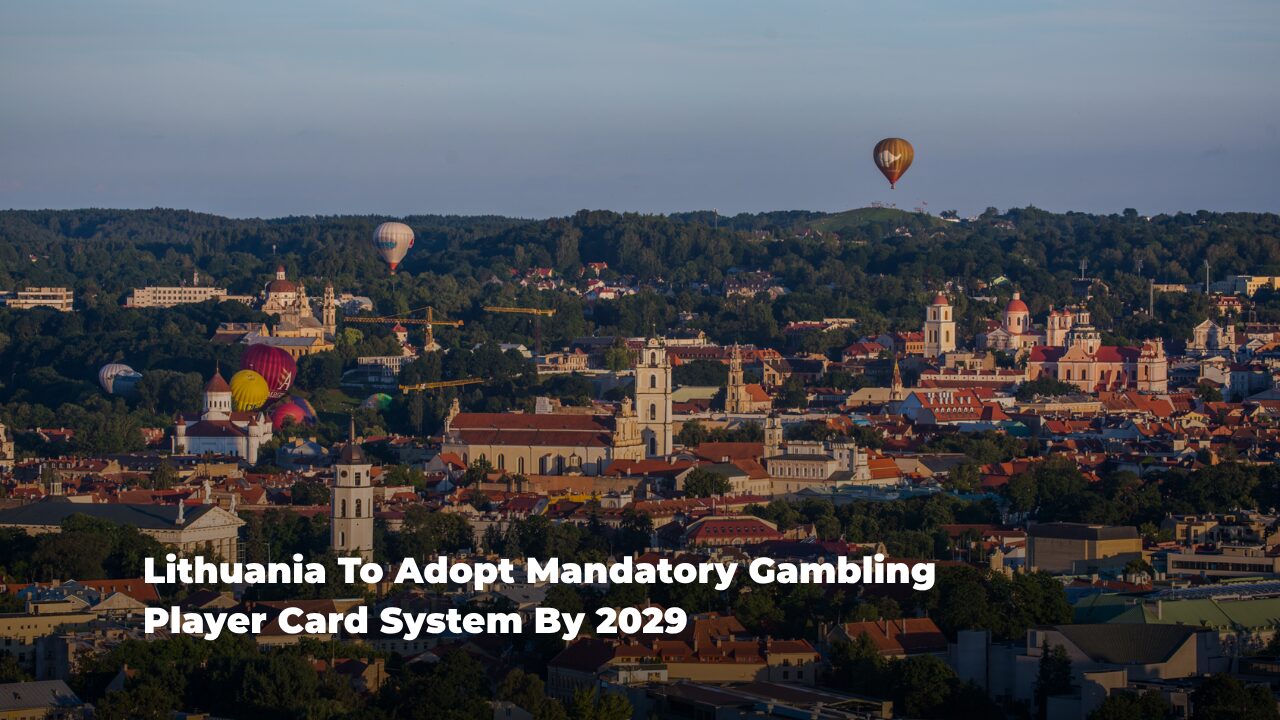
Lithuania’s Ministry of Finance is proposing a mandatory player card for all users to monitor gambling activity across online and land-based venues.
The system is scheduled to take effect on 1 January 2029, requiring every player to hold a physical card linked to their identity. This card will track deposits, wagers and winnings across different operators, giving authorities a unified view of individual gambling activity.
The draft amendment also outlines a transition away from cash within gambling venues. Payments will gradually move to non-cash systems tied directly to the player card, tightening oversight and reducing anonymous transactions.
Phased rollout gives operators time to adjust
The reform includes a structured transition period aimed at easing implementation. Operators will have three years to upgrade infrastructure, replace outdated systems and align with the new non-cash framework.
The Minister of Finance, Kristupas Vaitiekūnas commented on this approach. “A three-year transition period is being set to give gambling operators time to upgrade existing equipment or replace it with systems that comply with non-cash payment requirements from 2029,” he stated.
Changes related to supervision and operational controls are expected to come into force earlier, from 1 May 2027.
The Gaming Control Authority will receive expanded powers to monitor compliance across all gambling channels, ensuring that operators meet the new technical and reporting requirements.
Player tracking positioned as responsible gambling tool
The player card sits at the centre of Lithuania’s approach to reducing gambling-related harm. By linking activity to verified identities, authorities aim to improve detection of risky behaviour and enforce existing safeguards more effectively.
“It strengthens the prevention of problem gambling and ensures that the main objective, reducing access to gambling and its potential harm to health, is actually achieved,” Vaitiekūnas reiterated.
Operators will be required to integrate identity verification, transaction monitoring and exclusion checks into the system. This creates a single framework where player behaviour can be assessed in real time, rather than across disconnected platforms.
The proposal builds on earlier reforms. Lithuania has already tightened advertising rules and raised the legal gambling age from 18 to 21, effective November 2025. Operators are also expected to deploy systems that identify harmful play patterns and intervene where necessary.
European trend toward tighter control gains pace
Lithuania’s plan reflects a wider shift across regulated markets toward stricter enforcement and player protection.
Recent developments in other jurisdictions point in a similar direction. Australia has moved to restrict gambling advertising during live sports broadcasts, while Ukraine has introduced systems to block certain groups, including military personnel, from accessing online gambling platforms.
By combining identity tracking with payment controls, Lithuania’s player card system moves beyond traditional regulation into efficient monitoring of player activity.
Explore more:
 Share
Share


 61 views








 Analysis
  Business
  Companies
  Crime
Crime  Finance
  M&A
M&A  Prediction Markets
  Regulation
  Reports