Key Points
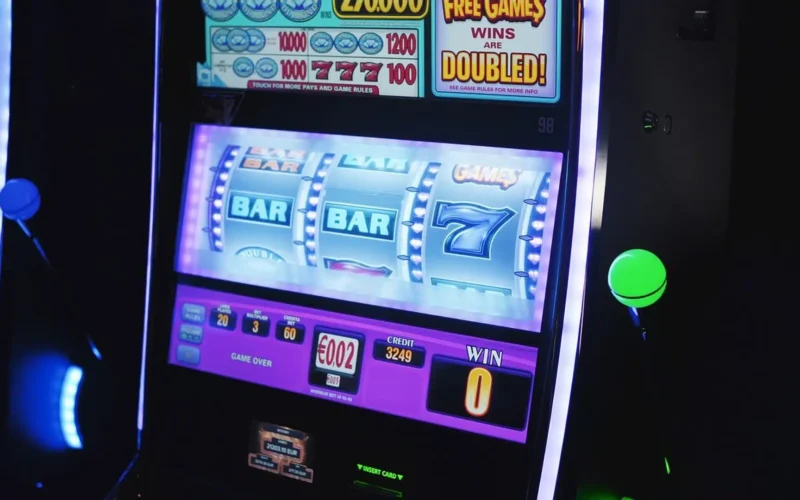
- Google is letting certified online gambling brands have a go at buying YouTube’s top ad slot from October 21st. This is five whole years after it banned gambling from the front page in the first place.
- Affiliate and review sites that don’t have to be registered with the state or national authorities are being locked out of the ad space.
- The rules for getting certified are pretty tough, and it’s not just the advertisers who need to watch out. Managers with repeat offenders in the team risk losing their right to apply for certification too.
Google Hands Over YouTube’s Top Slot to Certified Online Gambling
From next week, the first ad that loads for a lot of YouTube users could be from an online casino. On October 21st, certified online gambling brands are getting permission to run ads in the Masthead, the big video banner that sits at the top of the YouTube homepage.
Google announced the change in a notice back on October 7th. And according to Search Engine Land, the new rules mean that online casino brands need a special certificate from Google before they can apply for the ad space. They get judged on the type of product they’re advertising, as well as local laws and licensing requirements, it’s a pretty tough test.
Google is spinning this as the next step in a policy that’s been in place for a while: it says the update “builds on existing rules” and references a carve-out for sports betting that’s been in place since 2022.
The Masthead is a bit of a weird one, it’s not like most other ad units. You actually have to book it in advance and it’s priced per thousand impressions, or per hour. And if you’re advertising on a desktop, your videos will now autoplay for up to 30 seconds before anyone even clicks on them, though they do get muted so as not to drive anyone too crazy.
Licensed Sites Get In, Unregistered Affiliates Get Shut Out
One of the key bits of the notice is that only advertisers who have to register with the authorities can apply for the ad space. This means that affiliate and review sites that don’t have to be registered are getting locked out.
Google’s policy groups these types of sites together under this label, which means that a licensed casino site could be allowed to run an ad in the Masthead, while a review site that’s promoting the same brand might get shut down.
Some affiliates might still manage to squeak in, it all depends on where they operate. In some places, like Romania, aggregators actually have to register with the authorities, which would bring them in from the cold.
The September Rule Changes Behind The Scenes
The reason this all happened is because of a major overhaul of Google’s certification system over the summer. The new rules were posted in July and took effect in September.
The new system demands that every account in any gambling or games category shows “good policy health” before it can get certified. This requirement has been in place for some categories since March, but now it’s the rule for the whole industry.
It’s the agencies that feel this change the most. If a manager account at an agency keeps on getting revoked, or has a bunch of client accounts that keep getting flagged, they’ll lose the right to apply for new certification. And if they already hold a certificate, Google can take it away from them too. Domain rules add another hurdle to clear.
Country Rules Determine Who Actually Meets The Requirements
Since the announcement mentions no markets explicitly, the list of countries provided by Google makes all the difference. Certified gambling ads in Europe are permitted in the UK (excepting Northern Ireland), Germany, the Netherlands, Spain and Sweden.
There are strict requirements in Italy: only deferred draws of state-owned lotteries are legal there. In addition, Google demands a special application for each country. Each and every Masthead creative undergoes an individual review, and the requirements are even more stringent than in the case of other formats.
This situation changes once we are talking about anything but Europe. Casino advertising in Canada should be done with a licence for the particular province and targeting only this province. Australian policy permits sports betting and lotteries, while online casinos continue to stay on the banned list. The Google TV Masthead refuses to accept online casino ads as well.
Five-Year Transition From Banning To Welcoming Gambling
Gambling was not supposed to make the list of Masthead products from the very beginning. YouTube banned any gambling ads from the Masthead in 2021. In March 2025, it prohibited creators from mentioning any gambling services that had not been approved by Google.
According to YouTube, these regulations were “a necessary step in protecting our community, especially younger viewers.” This statement looks somewhat strange in conjunction with the decision to welcome licensed gambling brands on the homepage.
The first exception happened far before the above-mentioned restrictions for creators. Sports betting appeared back in the Masthead in September 2022.
Regulators And Courts Push The Other Way
Across Europe most lawmakers are actually pushing in the opposite direction to the new US gambling regulations. In Denmark for instance, they’ve re-tabled a proposal to ban all ads during sports events (whistle to whistle) and in Britain a House of Lords committee has given a thumbs up to a full-on ban on all sorts of gambling ads.
Bulgaria is taking it even further, on 2 October, it told Brussels that it intends to ban all gambling advertising. This will also bring an end to affiliate marketing which in effect sees websites promote other websites.
The black market is causing a bit of a headache for platforms though. Dutch trade group VNLOK took Meta to court in Amsterdam on 28 September. And what they found out was pretty shocking, more than 90% of the ads on Facebook were from dodgy websites.
And things just got a bit tougher for Google. Earlier this year in July, the EU’s highest court basically shot down Google’s defence of acting as a neutral platform. What this means is that even though they review content before entering into revenue-sharing deals, they can’t just hide behind the “we’re just a hosting service” defence. Now, Italy still needs to decide whether Google had any business knowing what was going on.
Expert Analysis: Licensed Billboard Not Going To Keep Black Market At Bay
We think Google has made a smart commercial move here and has a decent explanation for the change. On the surface, it looks like licensed brands on the homepage will push the dodgy operators to the side. But we’re not convinced.
To be honest, we don’t think the rogue operators were ever going to bother setting up a banner on the homepage with a certified account. Our friends at VNLOK found that the black market was sneaking into people’s social feeds, and YouTube’s own crackdown on creators in 2025 points to them being active on individual channels. That’s where the real issue lies, not on the homepage.
Now, the “billboard” will change who actually sees these ads. The old search ads would reach people actively looking for a casino. But this new banner will reach anyone who happened to open the app, including viewers who had no intention of betting.
Google does have rules in place to ensure that kids can’t see the ads, but it’s how these rules play out in the real world that’s the problem. For example, what happens when a family is signed into an adult’s account but a kid is holding the remote?
We know this might surprise some readers, but we actually think Google’s decision to block affiliates is fair. A regulator can actually hold a registered operator to account in a way they can’t with an unregistered review site.
The real test is just around the corner though, when the first banners go live on 21 October. If complaints start coming in, Google might find that getting certified was the easy bit.
Explore more:
 Share
Share


 6 views