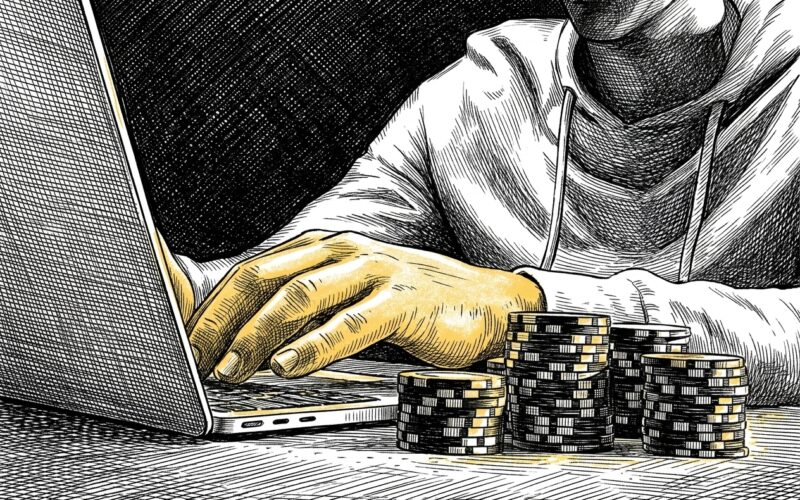







The Netherlands Gambling Authority (KSA) has ordered influencer Esmee Ipema to stop promoting unlicensed gambling. Further promotions could trigger a €25,000 penalty per breach, up to a maximum of €75,000.
Ipema, a former Ex On The Beach contestant, has more than 200,000 Instagram followers. According to the regulator, she continued posting after warnings. Five other former contestants stopped promoting illegal gambling after the KSA contacted them.
Dutch Role Model Rules Apply To Promotions For Licensed And Unlicensed Operators
Dutch law bars “role models”, including influencers, models and footballers, from promoting gambling. That restriction applies to campaigns for businesses with a Dutch licence as well as those operating without one.
“Given their exemplary role and the appeal they have to minors and young adults in particular, influencers may not be used to recommend or promote (online) gambling,” said the KSA. “This especially applies to illegal gambling companies: promoting them is prohibited in all cases.”
The KSA has previously contacted other creators about gambling promotions. YouTuber LeftlanePapi received a similar warning last year over promotions for illegal gambling on his channel. He faced the same potential payments as Ipema, at €25,000 per violation and €75,000 in total.
Greece, Spain And New South Wales Increase Scrutiny Of Influencer Marketing
Greek authorities filed complaints against 18 influencers over illegal gambling promotion after the Hellenic Gaming Commission gained wider enforcement powers. Spain’s gambling regulator, the DGOJ, also consulted on tighter rules for celebrity and influencer marketing.
In Australia, Liquor & Gaming New South Wales said it would scrutinise partnerships between betting operators and influencers more closely. It warned that influencer content can “normalise” betting or glamorise gambling, putting young and vulnerable audiences at risk.
Ipema’s case shows how quickly a warning can turn into a financial risk when posts continue. Agencies reviewing a Dutch campaign need to check whether the person can promote gambling and whether the operator is licensed. Those checks should happen before publication, especially on accounts with considerable reach among young audiences.
 Share


 6 views