





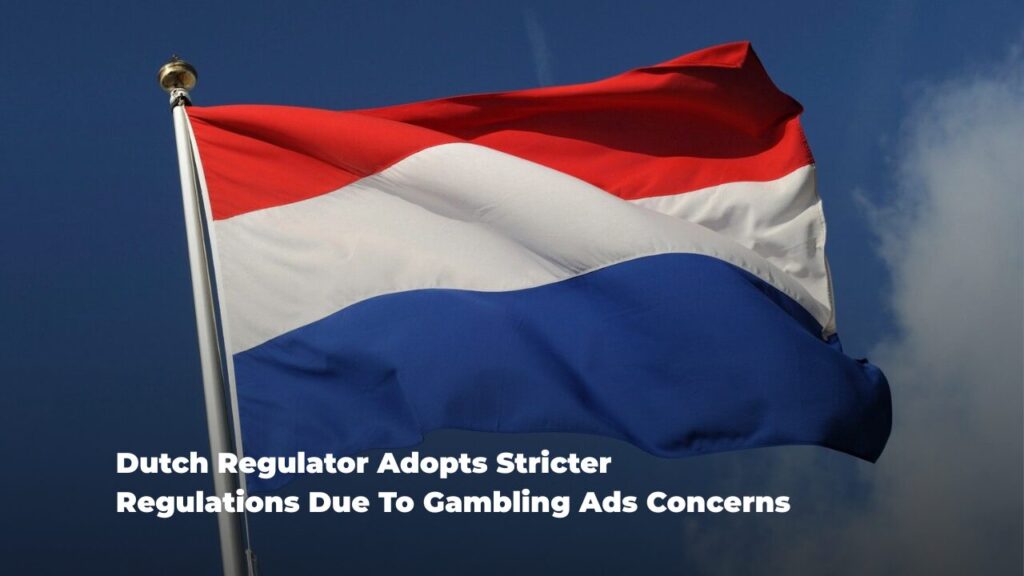
The Netherlands’ gambling regulator filed over 4,600 complaints against Meta in April 2026, targeting illegal gambling advertisements on Facebook and Instagram.
The complaints form part of an enforcement push against unlicensed operators promoting gambling services to Dutch users. Illegal online gambling has been identified as a key enforcement priority, and the scale of April’s operation is enough evidence.
Kansspelautoriteit has been working with government bodies, social media platforms, and private companies to remove such content more efficiently. A similar effort last year involved bulk reporting of illegal ads to Google, leading to a measurable reduction in search visibility for unlicensed operators.
At its peak, around 50,000 illegal gambling advertisements were appearing on social media each month.
Illegal operators use impersonation tactics to mislead users
The regulator has identified widespread use of deceptive tactics by unlicensed operators, including using fake names and impersonating well-known Dutch athletes and established brands without permission.
These tactics weaken consumer protection by making it more difficult to distinguish between licensed platforms and illegal websites, especially when ads appear credible. The regulator’s response has focused on removing these ads quickly and limiting their reach through collaboration with digital platforms and enforcement partners.
Licensed operators also face scrutiny over age-targeting compliance
Regulatory concerns extend beyond illegal operators to licensed companies operating within the Dutch market. A study published in the Journal of Behavioral Addictions analysed 277 gambling advertisements from licensed operators and found that approximately 11% were shown to audiences including individuals aged 18 to 23.
Dutch law prohibits gambling advertisements from targeting anyone under 24, a rule introduced in mid-2023. Overall compliance among licensed online operators was close to 93%. However, advertisers linked to land-based licence holders performed significantly worse, with nearly 30% found to be in breach of age-targeting rules.
Holland Casino was among the operators identified, though it acknowledged the issue and corrected it. The study also highlighted demographic exposure patterns, showing that gambling ads reached young men at more than seven times the rate of young women within the 18 to 24 age group.
Younger players dominate market while risk levels remain elevated
Data from Blask shows that online gambling participation in the Netherlands is heavily concentrated among younger adults. Players aged 25 to 34 account for 35% of the market, while those aged 18 to 24 make up a further 20%. In total, nearly 80% of online gamblers fall between the ages of 18 and 44.
Risk indicators among younger players remain concerning for policymakers and health professionals. Government surveys show that around 9% of gamblers under 24 fall into a moderate-risk category, while 14% are classified as high-risk. This means nearly one in four young gamblers may be experiencing gambling-related harm.
The national self-exclusion register, Cruks, shows that almost 20% of registered problem gamblers are aged between 18 and 24. Studies also indicate that 81% of problem gamblers started before the age of 24, with 46% beginning before 18.
Government considers full advertising ban as enforcement intensifies
Due to these concerns, the Dutch government is considering further tightening of advertising rules, including a potential blanket ban. State Secretary Claudia van Bruggen acknowledged limitations in current protections, particularly around the Cruks system.
“The government is working in line with the coalition agreement to further tighten gambling advertising rules, particularly to protect vulnerable groups,” she said. “At the same time, instruments such as Cruks remain limited to the regulated market. They cannot prevent access to illegal providers or fully eliminate exposure to advertising.”
Mental health organisation De Nederlandse ggz has called for a full ban on online gambling advertising, arguing that early exposure normalises gambling behaviour among young people.
However, industry body VNLOK has warned that stricter advertising restrictions could reduce visibility for licensed operators, making it harder for users to distinguish them from illegal platforms. The regulator has stated its commitment to intensifying enforcement for both unlicensed advertisers and licensed operators that fail to comply with regulations.
Kansspelautoriteit has clamped down on gambling ads due to its adverse effects on the younger population. A recent study has revealed that a significant portion of ads from licensed operators target players under 24, which is against the country’s laws. This has contributed to a higher rate of gambling harm, resulting in the new legislation.
Explore more:
 Share
Share


 269 views