
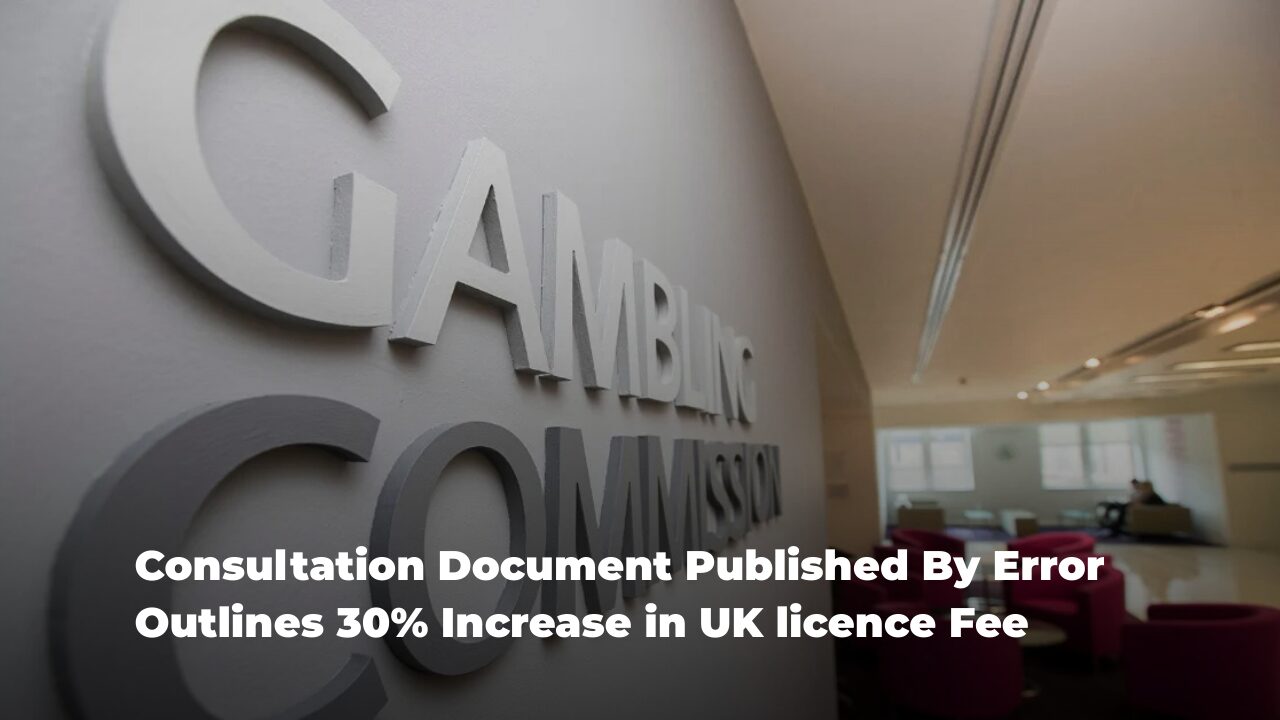
A consultation document mistakenly published by the DCMS suggests the UK government is planning to increase licensing fees by 30%.
The document sets out three potential options to reform the current licensing fee structure: 30%, 20%, and 20% + 10% secluded for tackling illegal gambling. Though it has since been taken down, the consultation shows 1 October 2026 as the potential implementation date, highlighting the regulator’s preference for a 30% flat rate and the government’s for the option with 10% reserved.
The proposals follow Chancellor Rachel Reeve’s move in the November budget to increase remote gaming duty to 40% from 1 April 2026 plus a 25% general betting duty for remote gambling from April 2027.
Industry groups have warned that the combined impact could push more players toward unlicensed operators. Recent Yield Sec research estimates the black market’s online gaming activity at around 10%.
DCMS highlights mounting financial pressure on the UKGC
According to DCMS, the Gambling Commission has faced increasing costs since its licence fees were last reviewed in 2021. The regulator has expanded enforcement efforts, such as implementing white paper gambling reforms, combatting illegal markets, and invested in new data capabilities.
These activities have coincided with rising inflation and have resulted in successive budget deficits. During the 2024 to 2025 financial year, the Commission drew £3.1m from its reserves, with a further £5m forecast to be used in 2025 to 2026, against a total income of £27.9m.
The document warned that,“Forecasted costs will increase in future years, and without a fee uplift in October 2026, the Commission’s reserves are expected to be completely exhausted during the 2026 to 2027 financial year. The Commission plans to absorb some future inflationary pressures, but without an uplift it forecasts a deficit of £7m in 2027 to 2028, rising to £9.5m in 2030 to 2031.”
With government approval, the DCMS also plans to remove the requirement for licence fee changes by the secretary of state to be approved via secondary legislation. Instead, the Commission would be able to consult on and implement fee changes independently, mirroring how regulators like Ofcom and the Financial Conduct Authority operate.
Three options set out different enforcement outcomes
The first option, favoured by the Commission, proposes a flat 30% increase in licence fees. This would generate an additional £8.7m annually, allowing the regulator to maintain current levels of enforcement, data work, and stakeholder engagement. Under this model, the Commission would continue issuing cease and desist notices and removing illegal URLs, though it would still need to deliver efficiency savings of around £3.2m.
A second option suggests a 20% increase, generating £3.1m less income. DCMS warned this would result in significant cutbacks, including £15.8m in savings over the next six years, and a potential 10% reduction in headcount. Proactive work against illegal gambling would largely cease once temporary government funding ends, with enforcement limited to reactive complaints.
Government preference focuses on illegal market disruption
The third option, which is the government’s preferred approach, combines a 20% increase with an extra 10% ring-fenced for tackling illegal gambling. This would deliver a headline 30% uplift, with around £2.6m annually dedicated to illegal market enforcement.
The ring-fenced funding would support cease and desist actions, supply chain interventions, and investigations into match-fixing and suspicious betting activity.
However, the remaining 20% would still require efficiencies across other regulatory functions, like in Option 2. This means, the Commission will have to divert funds from other areas to combat the selected illegal market activities.
Explore more:
 Share
Share


 114 views





 Analysis
  Blog
Blog  Business
  Companies
  Crime
Crime  Finance
  M&A
M&A  Regulation
  Reports