





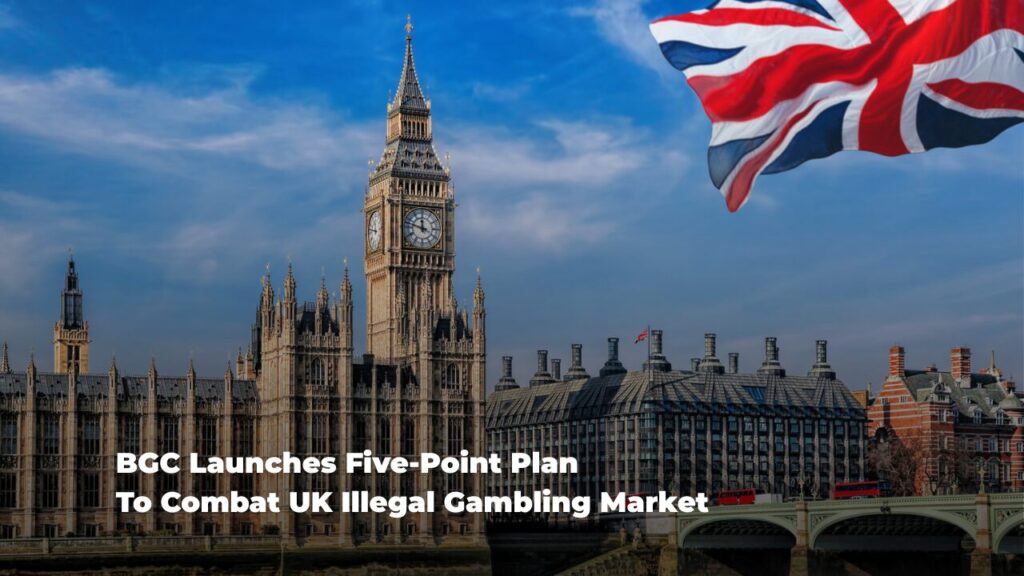
The Betting and Gaming Council (BGC) has unveiled a five-point strategy aimed at tackling the UK’s growing illegal gambling market, warning that failure to act could expose consumers to fraud, criminal activity and gambling-related harm.
Representing around 90% of the legal UK betting and gaming industry, the BGC is calling on government, regulators, technology companies and financial institutions to collaborate against unlicensed operators targeting British consumers.
The organisation pointed to forecasts from H2 Gambling Capital suggesting that black market betting stakes could rise from £17bn in 2025 to more than £33bn by 2028. If that trend continues, nearly one in every five pounds wagered online could be placed with illegal operators within three years.
According to the BGC, unlicensed operators provide none of the safeguards required within the regulated sector. They also avoid taxation and make no contribution to British sport. “Every customer lost to the black market is a customer gambling without safeguards, without oversight, and without the protections that exist within Britain’s highly regulated gambling market,” the organisation stated.
The BGC added that continued growth of the illegal market risks undermining years of progress in consumer protection and responsible gambling standards.
Social Media And Website Blocking Form Core Of Plan
The first element of the BGC’s proposal focuses on removing illegal gambling advertising from digital platforms.
“Make social media companies responsible for removing illegal gambling content and advertisements, preventing criminal operators from reaching British consumers and protecting children and vulnerable groups from exposure,” it said.
The trade body noted that illegal operators increasingly use social media, search engines and digital advertising to attract customers. It cited research from WARC suggesting illegal operators now account for almost half of all UK gambling advertising spend and could overtake licensed operators by 2028.
The second proposal would give the UK Gambling Commission stronger powers to block illegal gambling websites and remove unlicensed gambling applications. The BGC argues that faster intervention is needed because illegal operators can quickly launch new websites to imitate legitimate brands.
Payment Restrictions And Accountability Measures Proposed
The third recommendation focuses on payment processing. The BGC wants financial institutions and payment providers prevented from facilitating transactions for illegal gambling operators. According to the organisation, restricting payment flows would directly disrupt the financial infrastructure behind the black market.
The fourth proposal targets companies that indirectly support illegal operators. “Illegal operators do not act alone. A network of companies often facilitates advertising, payments, and online services, helping criminal operators reach British consumers,” the BGC stated.
It argued that businesses knowingly providing advertising, hosting, payment processing or similar services to illegal operators should face meaningful penalties.
The organisation also highlighted the growing use of influencers, search engines and AI-generated content by unlicensed operators to reach consumers outside the regulatory framework.
BGC Calls For Tougher Criminal Penalties
The final recommendation calls for stricter criminal sanctions against individuals and organisations operating, supporting or profiting from illegal gambling businesses targeting UK consumers.
According to the BGC, penalties should reflect the level of consumer harm these operations can cause. The trade body believes tougher sanctions would create a stronger deterrent while providing law enforcement agencies with additional tools to disrupt organised criminal activity.
BGC Chief Executive Grainne Hurst described the projected growth of the black market as a serious concern. She said the evidence shows that “illegal operators are targeting British consumers online, advertising through social media, processing payments through legitimate financial systems, and exploiting gaps in enforcement”.
Hurst warned that if policymakers fail to respond, more gambling activity will shift into environments without oversight or consumer protections. “This is not simply an issue for the regulated industry. It is a consumer protection issue, a public health issue, and a criminal justice issue,” she said.
She added that “government, regulators, technology companies, and payment providers must work together to stop illegal operators reaching British consumers”.
The BGC has announced its five-point plan to curb the rise of illegal gambling in the UK. This proposal covers areas like illegal advertising, payment processing, businesses supporting illegal operators, and implementation of criminal sanctions. The authority’s move will be key to growth for several legal gambling platforms.
Further updates on regulatory developments will be available in the Regulation Section.
Explore more:
 Share
Share


 203 views