The African Responsible Gaming Network (ARGN) launched on 21 September 2026 to strengthen collaboration on responsible gaming and gambling harm prevention across Africa.
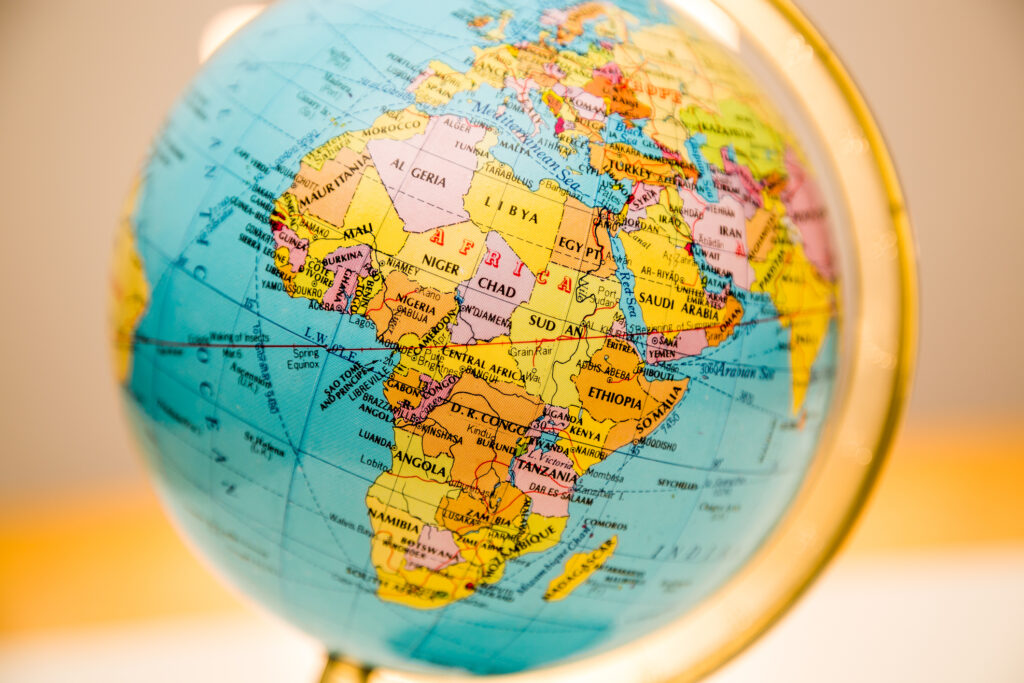
The network includes representatives from South Africa, Nigeria, Zambia, Zimbabwe, Kenya, Malawi, Botswana, Namibia, Cameroon, Uganda and Eswatini, alongside participants from outside Africa. Founding partners include Gamble Pause Initiative Africa, Gamble Aware Nigeria, and the South African Responsible Gambling Foundation, with support from Austria.
ARGN will focus on cooperation and information sharing between organisations working on player protection, responsible gaming and gambling harm prevention. Its launch follows the first Africa Safer Gambling Week, organised by the African iGaming Alliance from 7 to 11 September.
The initiative brought regulators, operators and stakeholders together around player protection, public awareness and responsible gambling.
The need for cooperation is relevant as gambling platforms, advertising and payment systems operate across markets while national regulatory frameworks remain different. Research published in The Lancet Public Health estimated that 80.3 million African adults gambled in the previous year, with 11.2 million experiencing gambling problems.
South Africa’s National Gambling Board reported that 31 per cent of respondents experienced gambling problems in 2024-2025, compared with less than 6 per cent in 2017.
Four priorities will guide ARGN’s continental work
ARGN has identified four priorities: producing a pan-African gambling harm report, creating a directory of treatment and support services, developing policy recommendations and solutions, and coordinating awareness and prevention campaigns across markets.
The first priority addresses an evidence gap. Better data could help regulators and organisations understand how gambling harm differs between countries, products and consumer groups rather than relying on findings from individual markets.
The support directory will focus on identifying where counselling, treatment and recovery services are available and where significant gaps remain. ARGN argues that awareness campaigns have limited value when people experiencing harm cannot access appropriate services.
Policy development will provide another area for collaboration. Rather than advocating one regulatory system for Africa, the network supports shared player-protection principles that countries can apply within their own legal and social environments.
Lebo Seoheng, advocacy and communications manager at the South African Responsible Gaming Foundation, has been appointed president of ARGN.
Shared protection principles must work across different African markets
ARGN’s approach recognises the differences between African gambling markets. Regulatory maturity, consumer behaviour, enforcement capacity and treatment infrastructure vary considerably between jurisdictions.
The network has highlighted protecting minors, customer identity verification, effective self-exclusion and responsible advertising among areas where common principles could support stronger standards without requiring identical regulations.
Market size also differs. H2 Gambling Capital data for 2025 placed South Africa as Africa’s largest interactive gambling market at $3.3 billion in gross win, followed by Nigeria at $1.1 billion, Ghana at $883.3 million and Kenya at $677.5 million.
GeoPoll’s Betting in Africa 2026 report estimates Africa’s sports betting market at approximately $3 billion, with the wider gambling industry approaching $17.6 billion and more than 440 million bettors.
These differences make coordination more complex, but also increase the value of sharing research, intervention models and practical experience between markets.
Illegal gambling creates another player-protection challenge
ARGN is also emerging as African regulators and industry stakeholders confront the scale of unlicensed gambling.
Gaming Compliance International estimates Africa’s online gambling industry generated $23 billion in gross gaming revenue during 2025, with 77 per cent occurring outside licensed gambling sites. Its figures put unlicensed operator revenue at $17.8 billion, up from $15.6 billion in 2024.
The number of unregulated platforms targeting African consumers also increased from 3,644 in 2024 to 4,129 in 2025, according to GCI. Illegal gambling was among the issues discussed during Africa Safer Gambling Week. The African iGaming Alliance warned that unlicensed operators may operate without protections required from regulated businesses, including age verification, safer gambling measures, secure payment processes and complaint mechanisms.
This creates a difficult environment for responsible gaming initiatives because player-protection standards can only reach consumers effectively when gambling activity takes place within systems where those safeguards can be implemented and enforced.
ARGN’s challenge will extend beyond awareness. Its planned research, policy work, support directory and prevention campaigns will need to account for both regulated markets and consumers gambling through operators outside national licensing frameworks.
ARGN’s launch is significant because gambling harm in Africa increasingly crosses the same borders that operators, advertising and digital platforms already do. Its value will depend on whether shared principles translate into comparable data, accessible treatment infrastructure and practical cooperation against unlicensed operators.
 Share
Share


 1 views