




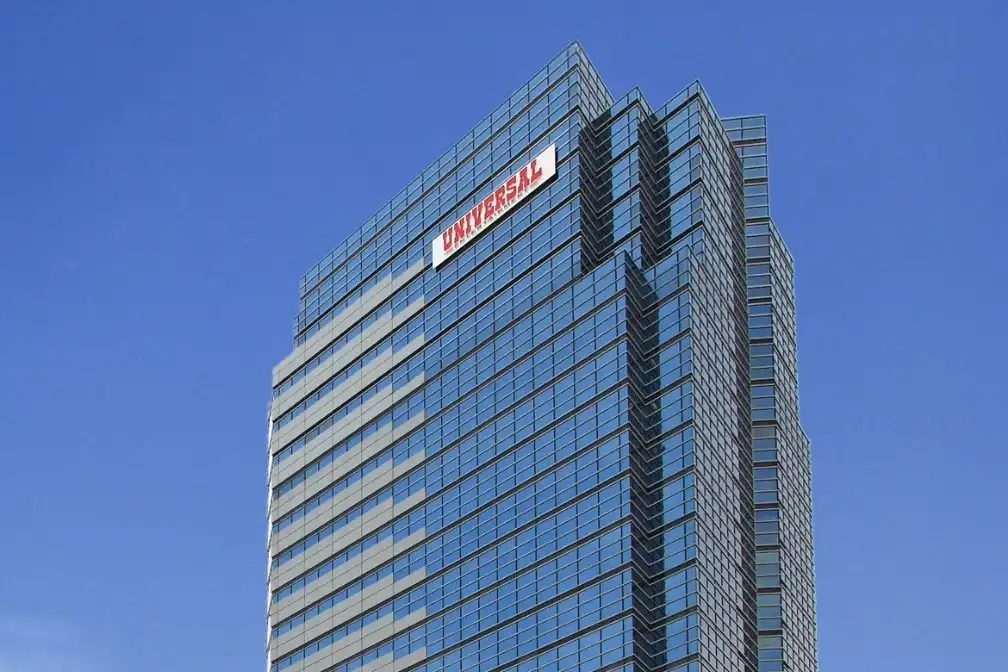
Universal Entertainment is preparing to return to the US slot-machine market through UDN Gaming, a Nevada company owned by Universal president Tomohiro Okada. The structure will let the Japanese supplier begin its US equipment business while it works through its own licensing process.
According to a filing dated 11 September 2026, UDN will initially apply for the required licences and develop, manufacture and sell gaming equipment, including slots. Universal also plans to submit its own US gaming licence applications soon.
The company said direct approval could take time because US licensing requires suitability reviews of major shareholders, directors, key employees and others. UDN was established in Nevada on 13 March 2026 with $1 in initial capital. Okada owns all shares and serves as a director.
Universal will support the launch with financing, gaming equipment, intellectual property and operational assistance. The group wants overseas gaming equipment to become a third revenue pillar alongside its domestic amusement business and Okada Manila.
It cited a declining Japanese amusement market and increasing competition in the Philippines as reasons to pursue additional revenue.
Aruze USA will provide UDN with up to $25m in financing
Agreements are scheduled to be executed on 30 September 2026. Universal subsidiary Aruze USA will provide UDN with a credit facility of up to $25m. The facility will carry annual interest of 5.12% and run until 31 December 2035, with UDN drawing funds as needed. Okada’s UDN shares will serve as collateral.
Aruze USA can require Okada to transfer all UDN shares to Universal or another designated party at the original subscription price. Universal will license its gaming equipment intellectual property to UDN for $100 per unit shipped.
Engineering, accounting and administrative support will be provided at direct cost plus a 6% markup. Although Universal holds no voting rights in UDN, it said the company will be treated as a consolidated subsidiary because Universal will provide all financing and license its core intellectual property.
Universal could later take full ownership depending on licensing progress
Universal may later acquire UDN’s voting rights and make it a wholly owned subsidiary, depending on the outcome of its US licensing applications. The arrangements are classified as related-party transactions because Okada owns UDN.
Okada therefore did not participate in board discussions or vote on the agreements. The remaining eight directors approved the arrangements unanimously, while the Audit and Supervisory Committee also gave its approval.
Universal expects the agreements to have an immaterial impact on its consolidated financial results for 2026.
Universal’s UDN structure provides it a strong base to rebuild its US gaming equipment presence before completing the licensing. The more important test will be determining how temporary arrangement translates into a sustainable third revenue pillar once Universal transitions to a full US license.
Explore more:
 Share
Share


 3 views