
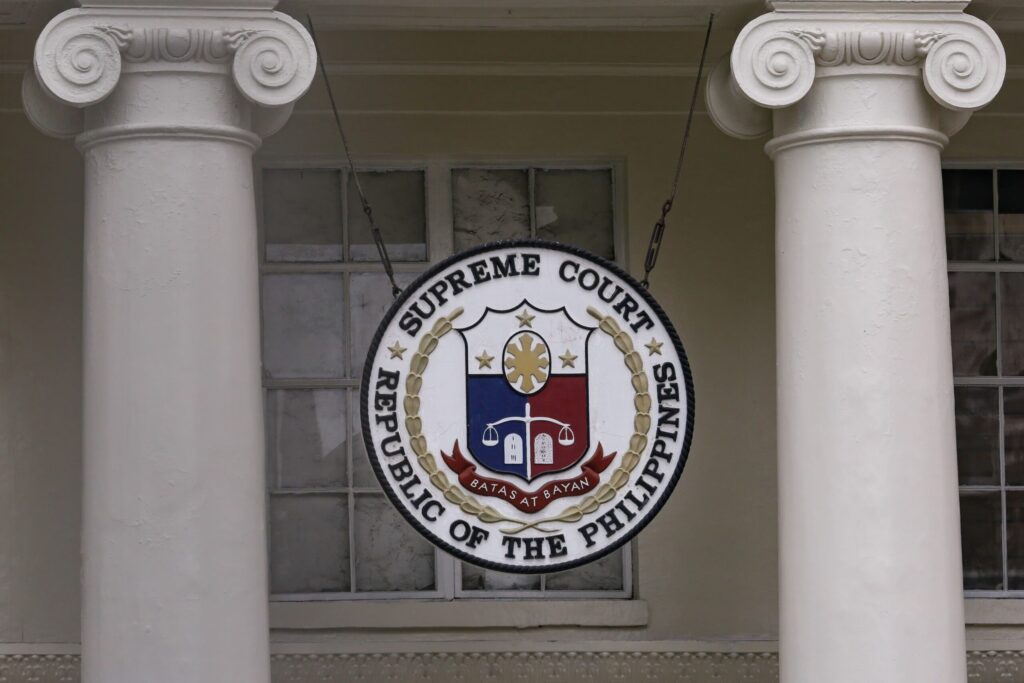
The Philippines’ Supreme Court has approved rules allowing the government to pursue civil forfeiture of assets linked to illegal Philippine Offshore Gaming Operators. These rules were approved en banc in April and take effect on 24 August.
They were issued under Section 15 of Republic Act No. 12312, the Anti-POGO Act of 2025. The law allows authorities to seek forfeiture of buildings, facilities, gaming equipment, materials and proceeds connected to prohibited POGO activity.
Civil forfeiture proceedings are directed against the property and operate separately from criminal cases. “No prior criminal charge, pendency or conviction for any prohibited acts under Republic Act No. 12312 is necessary” to commence or resolve a civil forfeiture petition, the Supreme Court said.
The rules cover assets owned or controlled by POGOs and service providers when directly or indirectly connected to illegal gaming. Covered activities include accepting bets, providing gaming services, creating POGO hubs, possessing equipment and assisting prohibited operations.
Courts face strict timelines for resolving forfeiture cases
Petitions must be filed before the regional trial court with jurisdiction over the assets. Where some property is outside the Philippines, proceedings may be brought before the Regional Trial Court of Manila or the court overseeing assets located within the country.
Each petition must include an inventory of targeted property. Proceedings may be initiated by law enforcement bodies or agencies handling the assets, represented by the Office of the Solicitor General or an authorised representative.
The court must decide within 24 hours whether probable cause exists. If established, judges can order assets preserved or controlled to prevent transfer, concealment, conversion or disposal.
Respondents have 20 calendar days to submit a verified opposition. If one is filed, pre-trial must take place within 15 days. Each side has 30 days to present evidence, while judgment must be issued within 30 days after the final presentation.
Innocent owners and creditors receive protections under the framework
The government must establish its case using a preponderance of evidence. These new rules protect innocent owners, bona fide purchasers for value and secured creditors who can demonstrate having no that property was connected to prohibited POGO activity.
Those parties must also show that they did not consent to or participate in the illegal conduct. Forfeiture must remain proportionate and can apply only to assets proven to have a connection with prohibited acts.
The framework allows authorities to target property and proceeds without waiting for criminal charges or convictions.
Former POGO-linked businesses reportedly shift operations towards Sri Lanka
The rules arrive as former POGO-linked operators and workers move activity to Sri Lanka. An investigation by MonetaBrief, published in The Island, reported that some large online gaming syndicates operating there appear linked with POGOs closed after the Philippine ban.
Recruiters are targeting former gaming workers from the Philippines and other Asian markets, while promoting Sri Lanka’s Port City Special Economic Zone as a possible base for businesses serving overseas customers.
Thousands of workers from China, the Philippines, Vietnam and Cambodia have reportedly relocated, including some allegedly without valid work permits. The investigation said larger groups may operate through the Port City ecosystem or Board of Investment-approved business process outsourcing companies.
Some Sri Lankan BPO and IT firms are also reportedly helping operators establish businesses and obtain residence visas and work permits. Deputy Minister for the Digital Economy Eranga Weeraratne told MonetaBrief that planned gambling regulations would apply nationwide, including within Port City.
Sri Lanka’s Gambling Regulatory Authority Act came into force in December 2025 and covers land-based and digital gambling.
The Philippines is moving beyond shutting POGOs down and is targeting the infrastructure and money sustaining them. This is where enforcement starts to become more meaningful, because removing access to assets can hurt illegal operators far more than another closure order.
Explore more:
 Share
Share


 182 views