

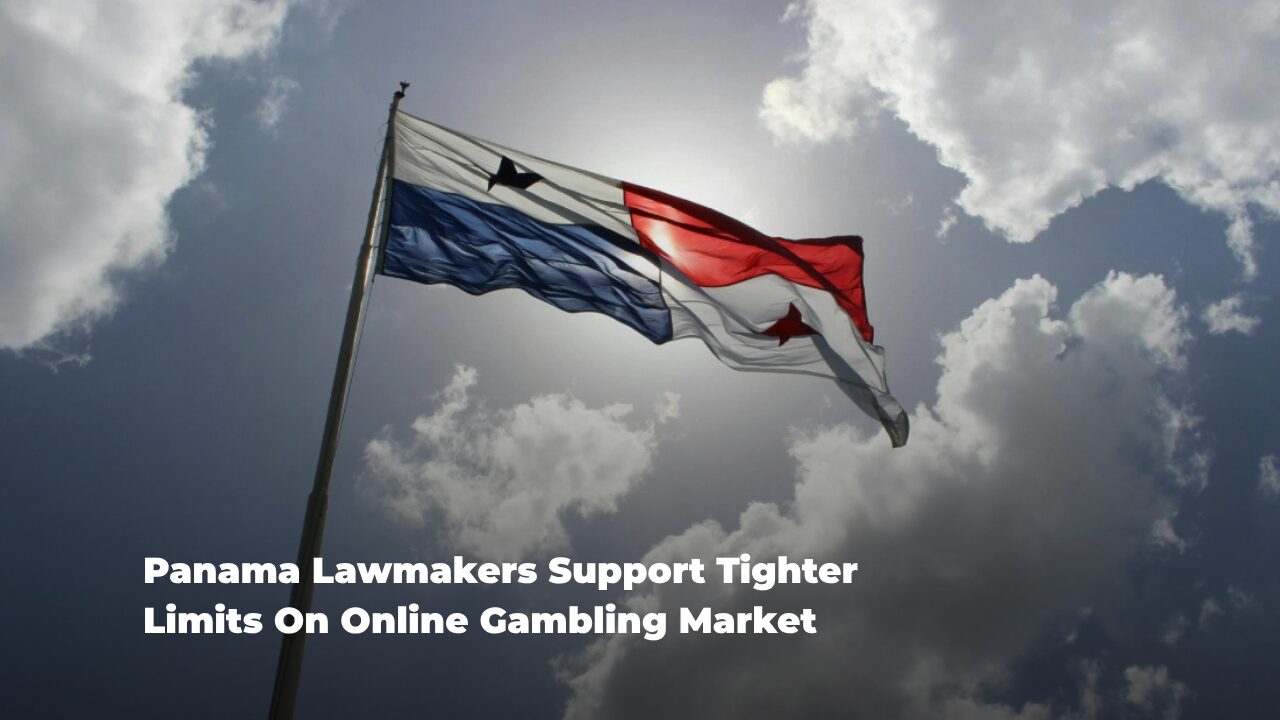
Panama has taken a firm step towards tightening its problem gambling policies as online betting activity continues to rise. Lawmakers approved a new bill to introduce stricter controls on operators while strengthening protections for vulnerable players.
The legislation, proposed by Raúl Pineda and Crispiano Adames, has now passed through the National Assembly. It introduces a series of obligations for online casinos aimed at reducing harm and improving oversight across the sector.
With legislative backing secured, the bill will now move to José Raúl Mulino Quintero for final approval before it becomes law.
Mandatory levy to fund treatment and support systems
One of the most notable elements of the proposal is the introduction of a mandatory 10% levy on operator earnings. These funds will be directed to the Institute of Mental Health to support the development of treatment programmes and a specialised care centre.
The bill also outlines plans for nationwide education programmes, targeting schools as a key entry point for awareness. Authorities aim to ensure younger audiences understand the risks associated with gambling before exposure increases.
Biometric checks and advertising restrictions introduced
The legislation introduces mandatory biometric identification across online platforms. This requirement is intended to prevent minors from accessing gambling services and to strengthen identity verification processes. Payment methods are also regulated to limit financial debt and uncontrolled spending.
Advertising will face significant restrictions under the new rules. Promotions across media channels, social platforms and sports environments are set to be banned.
Operators will also be prohibited from using public figures or influencers to promote gambling products. Oversight will be handled by the Gaming Control Board, which will be equipped with tools to detect violations in real time.
Enforcement framework signals stricter regulatory direction
The bill outlines clear penalties for non-compliance. Operators could face fines of up to 10% of their income and potential licence suspension or criminal proceedings.
Panama’s move comes at a time when several markets in Latin America are revisiting their gambling frameworks. Brazil is preparing to raise its gross gaming revenue tax rate to 18% by 2027, while Colombia and Peru are adjusting their regulatory and tax structures.
These shifts are influencing how operators approach the region, with compliance and cost structures key to long-term planning.
Explore more:
 Share
Share


 50 views






 Analysis
  Blog
Blog  Business
  Companies
  Crime
Crime  Finance
  M&A
M&A  Regulation
  Reports