

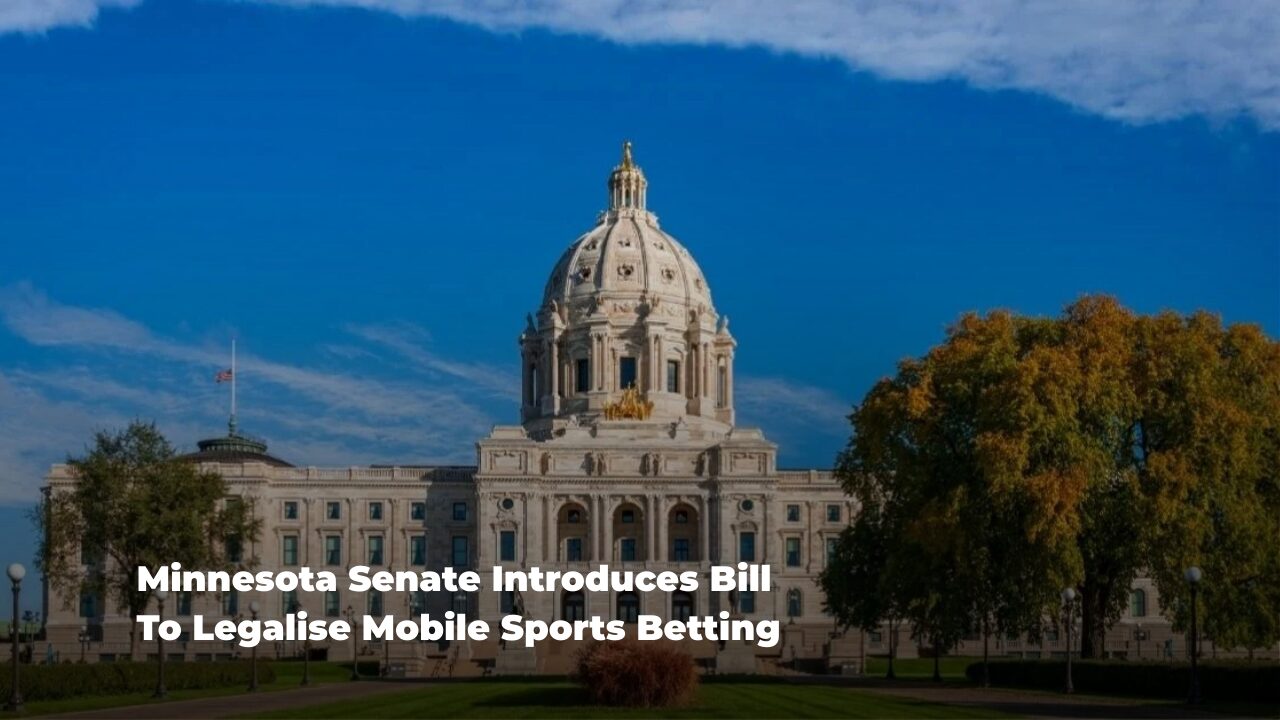
The Minnesota Senate is considering new legislation that would establish a regulated mobile sports betting market across the state while reserving operator control for tribal casino owners. Senate File 4139 was introduced and received its first reading on 4 March. The proposal would authorise up to 11 mobile sports betting operator licences for the state.
Each licence would run for a 20 year term and could be renewed under conditions determined by the Minnesota Department of Public Safety. The bill assigns regulatory oversight of mobile sports wagering to the Commissioner of Public Safety, such as deciding on accounting standards, audit procedures, testing, and the management of betting accounts. Only tribes that lawfully conduct Class III gaming at casinos in Minnesota under an approved tribal gaming ordinance would be permitted to apply.
The legislation limits each tribe to a single operator licence. Operators must be wholly owned and controlled by the tribe that applies for it. They must also file application materials, implementation plans, and pay an annual licensing fee of $2,125 to maintain approval.
Operational Framework Allows Partnerships With Platform Providers
To run their wagering systems, licensed operators should contract with one authorised mobile sports betting platform provider. The legislation also permits agreements with licensed sports betting suppliers.
This new bill proposes a detailed tax structure. A 22% tax would apply to sports betting net revenue from online wagering activity and participation fees. Operators would be required to file tax returns each month, with payments due by the 20th day of the following month.
The bill also clarifies how the new tax would interact with existing state tax rules. Wagering income would not be subject to Minnesota corporate income tax. Accepted wagers would also be exempt from specific state sales taxes and gambling taxes.
Tax Rules Distinguish Between Online Wagers And Bets Placed On Tribal Land
The bill introduces a clear distinction between wagers from statewide mobile platforms and those within tribal territory. Any wager placed on Indian lands would not be subject to state taxation under the proposal. The legislation defines the bettor’s physical location as where the wager was placed.
The operator licensing rules apply only to mobile sports betting operations conducted across Minnesota. The bill specifies that the legislation does not extend to other tribal gaming records or to Class III sports betting that takes place exclusively on Indian lands. It also directs the governor to negotiate new tribal state compacts for Class III sports betting on Indian lands if necessary.
At the same time, the proposal states that compacts already in effect on 1 January 2024 must not be modified solely to accommodate sports betting. Local governments are prohibited from requiring sports betting licences or imposing additional taxes or fees on activities conducted under the framework.
Revenue Distribution Plan Targets Gambling, Racing And Sports Development
Money collected from sports betting taxes would be placed into a new sports betting revenue account within Minnesota’s special revenue fund. The state would distribute funds from this account once yearly by 1 October. Half of the collected revenue would be directed toward payments linked to lawful gambling activities.
Furthermore, 15% would be allocated to a racing economic development account, while another 15% would go to a sports betting equalisation account. The equalisation account will limit market concentration among technology partners. It would distribute annual payments to tribes that do not work with a platform provider controlling more than 10% of the state’s platform provider market based on gross revenues.
15% of tax revenue also supports a sports marketing and awareness account. The bill also mandates directing 4% to human services for gambling-related programmes and 1% to an amateur sports integrity and participation account.
The introduction of Senate File 4139 represents the latest attempt by Minnesota lawmakers to create a legal sports wagering market. Previous efforts to authorise sports betting in the state have not succeeded, including a legislative push last year for mobile sports betting and fantasy contests.
Explore more:
 Share
Share


 55 views





 Analysis
  Blog
Blog  Business
  Companies
  Crime
Crime  Finance
  M&A
M&A  Regulation
  Reports